Cestrum bahamense
NameCestrum bahamense
Scientific NameCestrum bahamense
Common NamesBahama Jessamine
Plant FamilySolanaceae
Natural HabitatFound in coastal hammocks, pinelands, scrub, and disturbed areas in subtropical and tropical regions, preferring well-drained soils and full sun to partial shade.
Parts Usedleaf,bark
Medicinal Actionsanalgesic, anti-inflammatory
Traditional UsesTraditionally, some Cestrum species, including C. bahamense, have been used in folk medicine for external applications to relieve pain and inflammation, and occasionally for fevers. Due to its toxicity, internal use is extremely rare and highly cautioned.
Active Constituentsalkaloids, steroidal glycoalkaloids, saponins, flavonoids
Preparation Methodspoultice, infusion, decoction
Contraindications & WarningsAll parts of Cestrum bahamense are considered toxic if ingested, especially the berries and leaves, and can cause severe gastrointestinal and neurological symptoms. It should not be used internally without expert medical supervision. Avoid during pregnancy, lactation, and in individuals with cardiac or neurological conditions.
Cultivation NotesThis plant thrives in subtropical to tropical climates, preferring full sun to partial shade and well-drained soil. It is drought-tolerant once established and can be propagated from seeds or cuttings.
Raritycommon
Description
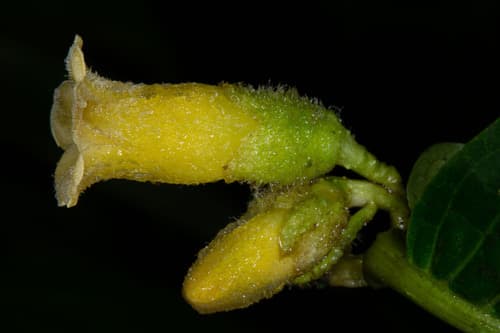
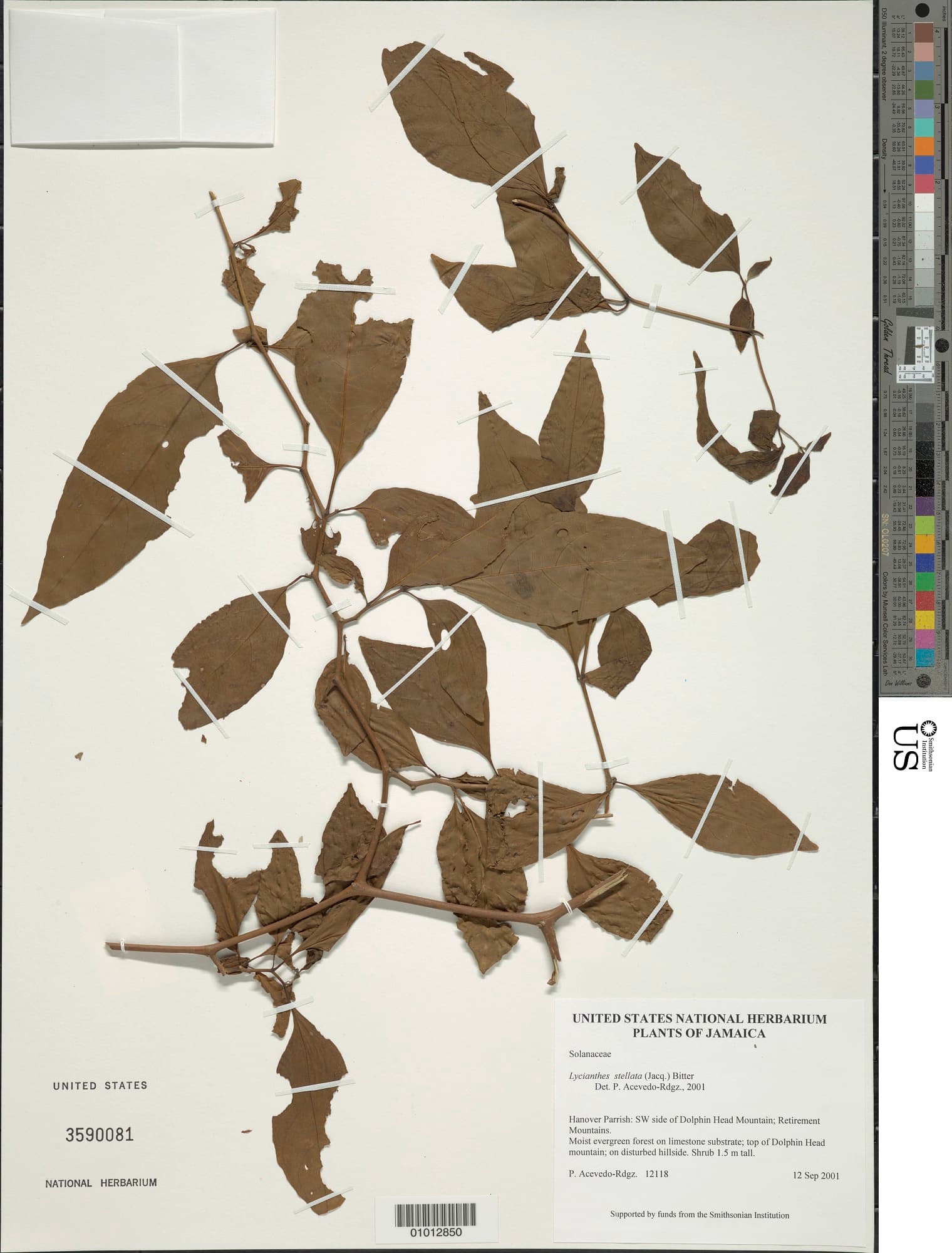
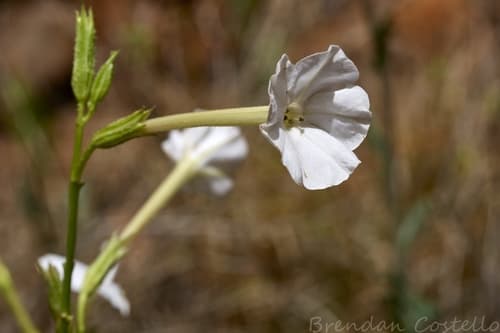
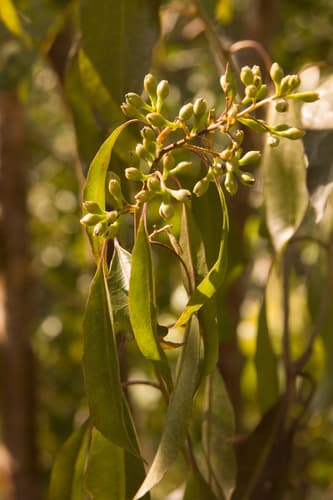
Cestrum bahamense is a shrub or small tree native to the Bahamas and southern Florida, typically growing 2-5 meters tall. It features simple, alternate leaves and produces clusters of small, fragrant, tubular white or greenish-white flowers, followed by small berries.