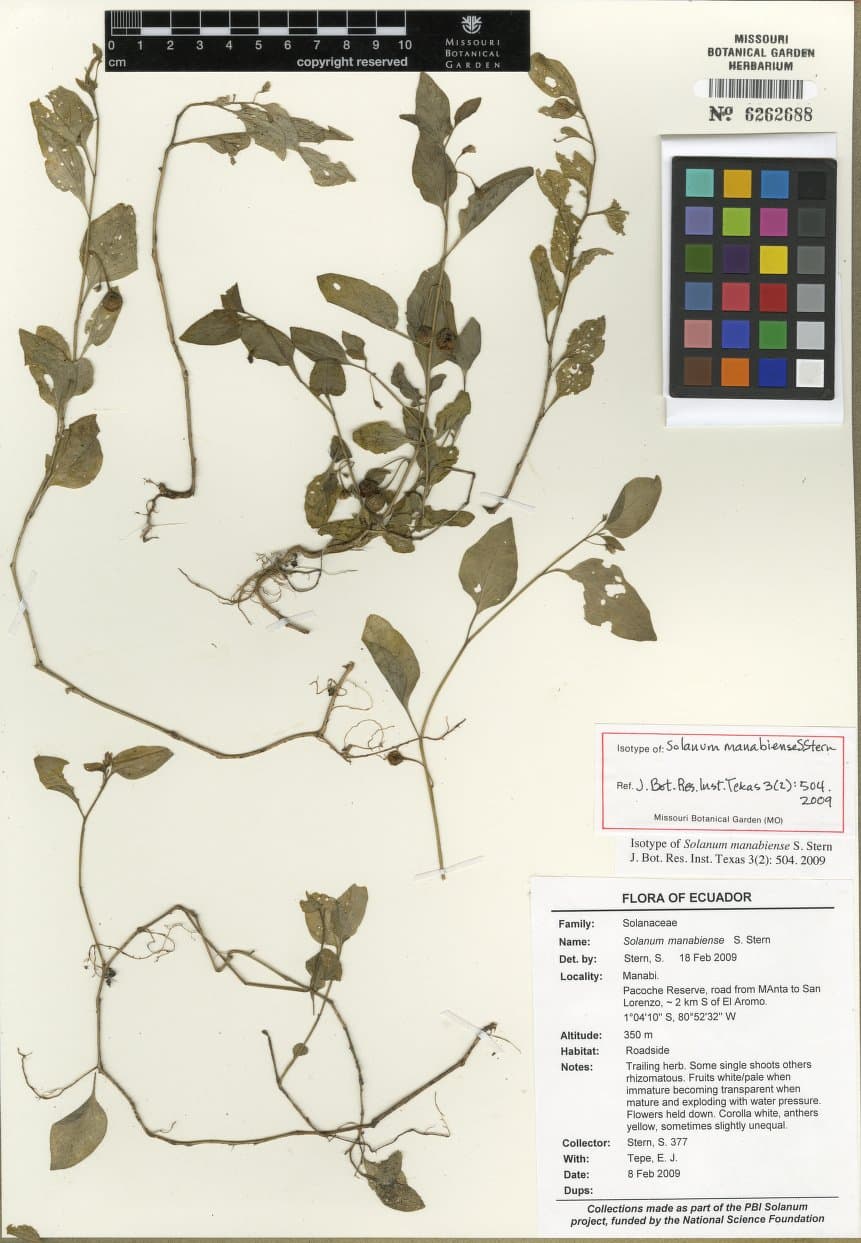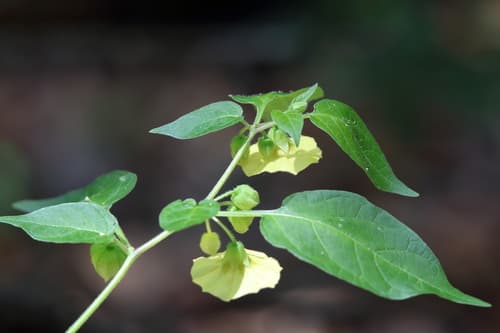
Carpenter's groundcherry
NameCarpenter's groundcherry
Scientific NamePhysalis carpenteri
Common NamesCarpenter's Groundcherry, Carpenter's Husk Tomato
Plant FamilySolanaceae
Natural HabitatNative to the southeastern United States, found in moist to dry woodlands, open forests, clearings, and disturbed areas, often in sandy or loamy soils.
Parts Usedfruit,leaf,whole_plant
Medicinal Actionsantioxidant, anti-inflammatory, diuretic
Traditional UsesWhile specific traditional uses for P. carpenteri are not extensively documented, other Physalis species have been traditionally used for fevers, inflammation, kidney ailments, and as a general tonic. The ripe fruits are often consumed for their nutritional value and mild diuretic properties.
Active ConstituentsPhysalins, flavonoids, carotenoids, vitamin C, phenolic compounds
Preparation Methodsinfusion, powder
Contraindications & WarningsUnripe fruits and other parts of the plant contain solanine-like alkaloids and can be toxic if ingested in large quantities, causing gastrointestinal upset. Ripe fruits are generally considered safe for consumption. Caution is advised for pregnant or breastfeeding individuals and those with nightshade allergies.
Cultivation NotesPrefers full sun to partial shade and well-drained soil. It can be grown from seed and is relatively easy to cultivate, thriving in fertile, loamy soil and often self-seeding in favorable conditions.
Raritycommon
Description
An herbaceous perennial plant, typically growing 1-3 feet tall, with alternate, ovate to lanceolate leaves. It produces small, pale yellow, bell-shaped flowers that develop into a distinctive papery, lantern-like calyx enclosing a small, edible berry when ripe.