Caraway
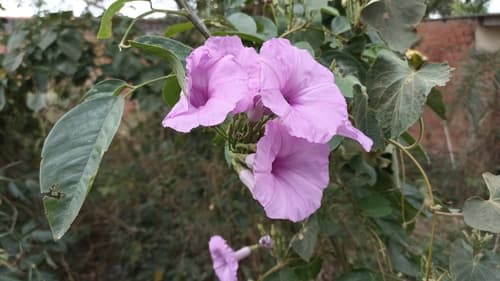
Image: Roman A. Lagazyuk (Роман А. Лагазюк) (cc-by)
NameCaraway
Scientific NameCarum carvi
Common NamesCaraway, Meridian Fennel, Persian Cumin
Plant FamilyApiaceae
Natural HabitatNative to Europe, Asia, and North Africa, Caraway thrives in meadows, pastures, roadsides, and cultivated fields. It prefers well-drained soil and full sun.
Parts Usedseed,root
Medicinal Actionscarminative, antimicrobial, antioxidant, anti-inflammatory
Traditional UsesTraditionally used to relieve digestive issues such as bloating, gas, indigestion, and colic, particularly in infants. It is also used as a galactagogue to promote milk production in nursing mothers and as a mild expectorant for coughs.
Active ConstituentsCarvone, Limonene, Carvacrol, Linalool, Flavonoids
Preparation Methodsinfusion, essential oil, powder
Contraindications & WarningsGenerally safe in food amounts. High medicinal doses or essential oil should be used with caution during pregnancy and breastfeeding. May interact with iron absorption and blood-thinning medications.
Cultivation NotesCaraway is typically grown as a biennial. Sow seeds directly in spring or late summer in well-drained soil and full sun. It requires moderate watering and can self-seed readily.
Raritycommon
Description
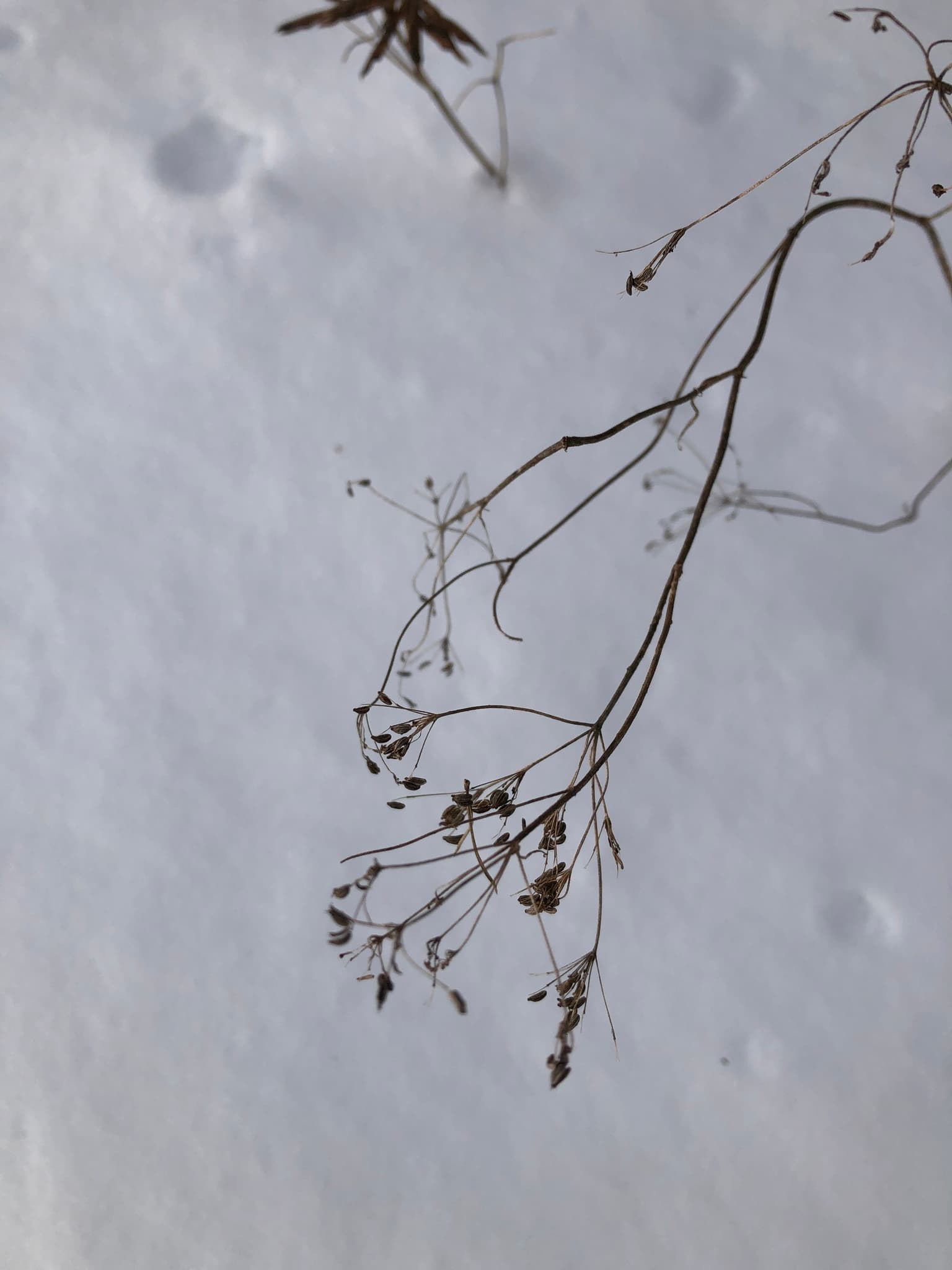
Caraway is a biennial herbaceous plant growing up to 60 cm tall, characterized by finely divided, feathery leaves and small white or pink flowers in compound umbels. It produces crescent-shaped, aromatic fruits (commonly called seeds) that are highly valued for their distinctive flavor and medicinal properties.