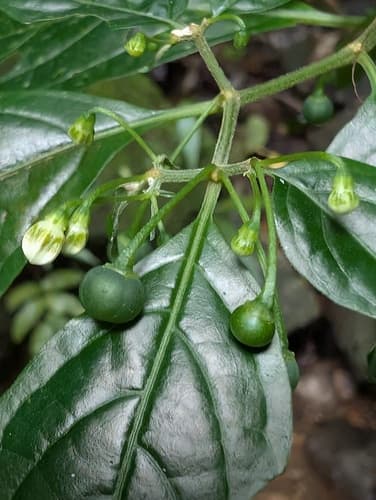
Capsicum schottianum
NameCapsicum schottianum
Scientific NameCapsicum schottianum
Common NamesPimenta-de-passarinho, Bird Pepper
Plant FamilySolanaceae
Natural HabitatNative to humid forests and forest edges in South America, particularly Brazil, Paraguay, and Argentina, often found in shaded understory environments.
Parts Usedfruit,leaf
Medicinal Actionsanalgesic, anti-inflammatory, antioxidant, antimicrobial
Traditional UsesTraditionally, the fruits are used topically as a counter-irritant for pain relief, such as arthritis and muscle aches. Internally, it has been used in folk medicine as a digestive aid and stimulant, though less commonly than other Capsicum species.
Active ConstituentsCapsaicinoids, Carotenoids, Flavonoids
Preparation Methodsinfusion, tincture, poultice, powder, salve
Contraindications & WarningsCan cause skin irritation and burning sensation if applied topically. Ingesting large amounts may lead to gastrointestinal upset. May interact with blood-thinning medications. Avoid contact with eyes and mucous membranes.
Cultivation NotesPrefers warm, humid climates with well-drained, fertile soil. Thrives in partial shade, unlike many other Capsicum species that prefer full sun. Requires consistent moisture.
Rarityuncommon
Description
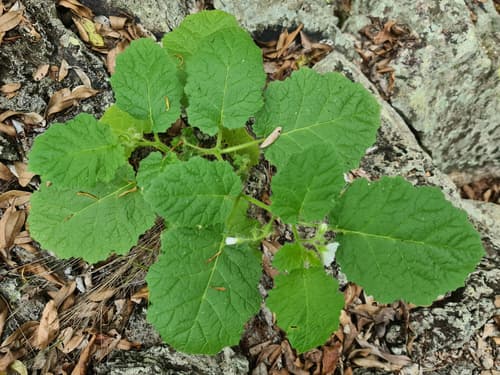
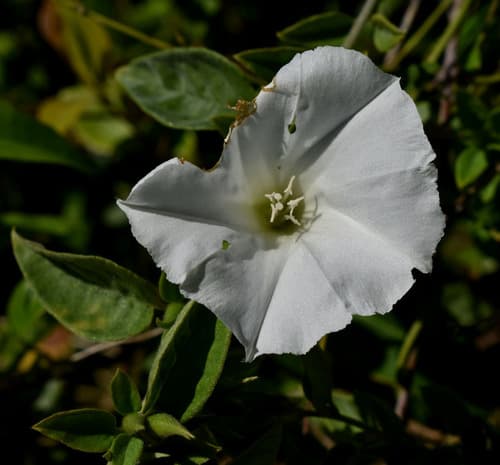
Capsicum schottianum is a perennial shrub, typically growing up to 1-2 meters tall, characterized by dark green, ovate leaves. It produces small, white to greenish flowers and small, round, green fruits that mature to a vibrant red.