Tievine
NameTievine
Scientific NameIpomoea purpurea
Common NamesCommon Morning Glory, Purple Morning Glory, Tall Morning Glory, Tievine
Plant FamilyConvolvulaceae
Natural HabitatNative to tropical and subtropical regions of the Americas, this plant is now widely naturalized across the globe. It thrives in disturbed areas, fields, roadsides, and gardens, often considered a common weed.
Parts Usedseed,leaf
Medicinal Actionsdiuretic, anti-inflammatory
Traditional UsesTraditionally, the seeds have been used as a strong purgative and laxative in various folk medicine systems. The leaves have been applied topically for skin ailments or consumed internally for their mild laxative and anti-inflammatory effects.
Active ConstituentsErgoline alkaloids, Resin glycosides, Flavonoids
Preparation Methodspowder, infusion, poultice
Contraindications & WarningsContraindicated during pregnancy, breastfeeding, and in individuals with gastrointestinal obstruction or inflammatory bowel disease. High doses of seeds are toxic and can induce severe gastrointestinal distress and psychoactive effects. Avoid concurrent use with CNS depressants or other purgatives.
Cultivation NotesThis plant is easily cultivated from seed, preferring full sun exposure and well-drained soil. It is a vigorous climber and requires support, but can also be invasive in some environments.
Raritycommon
Description
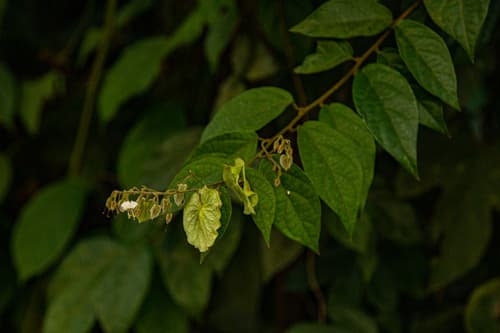
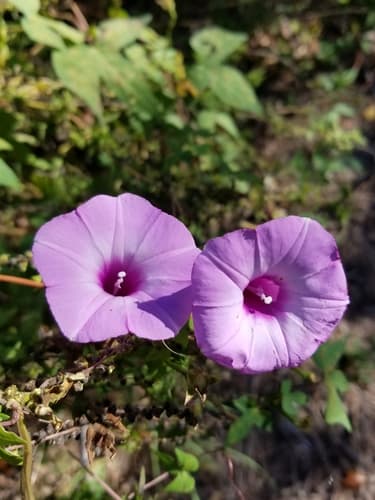
Ipomoea purpurea is an annual climbing vine characterized by heart-shaped leaves and showy, funnel-shaped flowers. These flowers typically display shades of purple, blue, or pink, often with a contrasting lighter throat, opening in the morning and closing by afternoon.