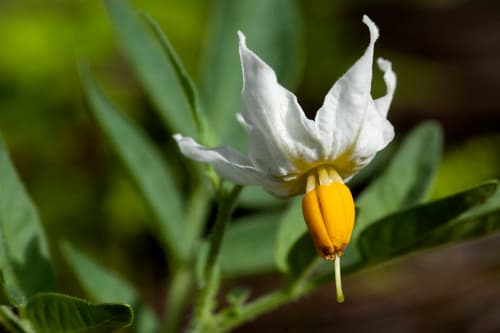
Wild Potato
NameWild Potato
Scientific NameSolanum jamesii
Common NamesWild Potato, James' Potato, Four Corners Potato
Plant FamilySolanaceae
Natural HabitatFound in arid and semi-arid regions of the southwestern United States, often in rocky soils, pinyon-juniper woodlands, grasslands, and disturbed areas at moderate elevations.
Parts Usedroot
Medicinal Actionsanti-inflammatory, analgesic
Traditional UsesThe tubers of Wild Potato were a vital food source for various Native American tribes, often requiring specific processing (e.g., leaching, cooking with clay) to reduce toxic glycoalkaloids. Medicinally, poultices made from tubers or leaves were applied externally for swellings, skin irritations, and minor aches. Internal use was highly cautious and specific due to toxicity.
Active ConstituentsGlycoalkaloids (solanine, chaconine), Saponins, Flavonoids
Preparation Methodspoultice, powder
Contraindications & WarningsAll parts of the plant, especially raw tubers, contain toxic glycoalkaloids. Ingestion can cause severe gastrointestinal distress, neurological symptoms, and can be fatal if not properly detoxified. Avoid use by pregnant or breastfeeding women, children, and individuals with liver or kidney conditions.
Cultivation NotesPrefers well-drained, sandy or rocky soils and full sun. It is drought-tolerant once established and propagated from tubers or seeds. Requires specific conditions to thrive outside its native habitat.
Raritycommon
Description
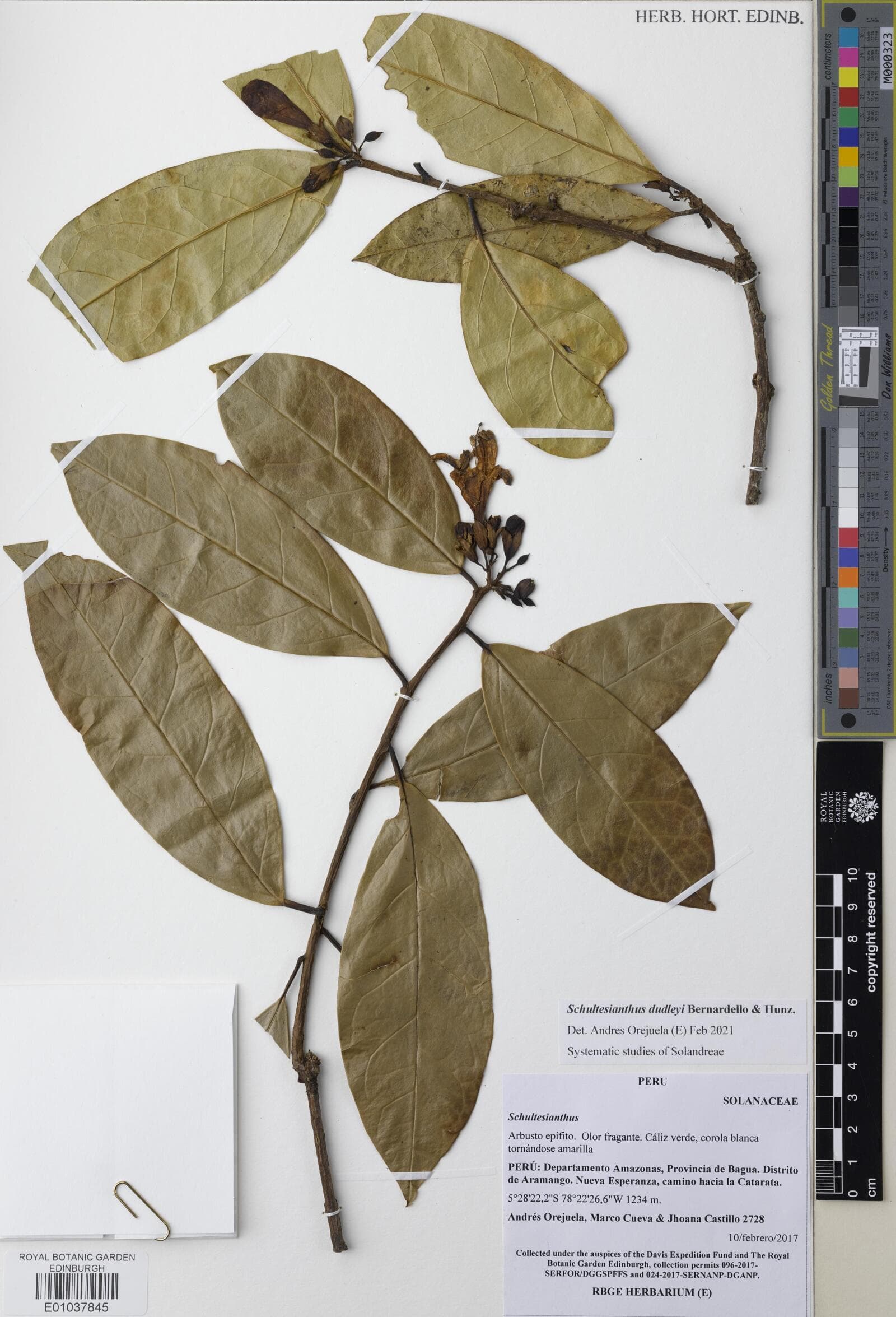
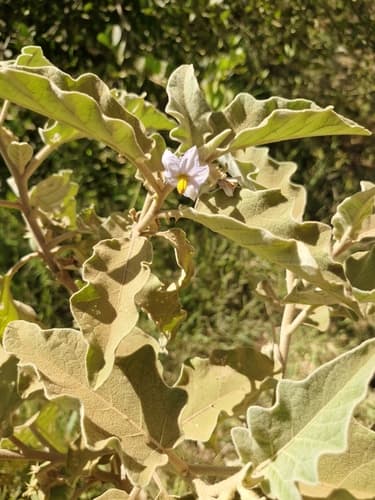
A perennial herbaceous plant native to the southwestern United States, characterized by white to pale purple star-shaped flowers with prominent yellow anther cones. It produces small, edible tubers and typically has simple, somewhat elongated leaves.