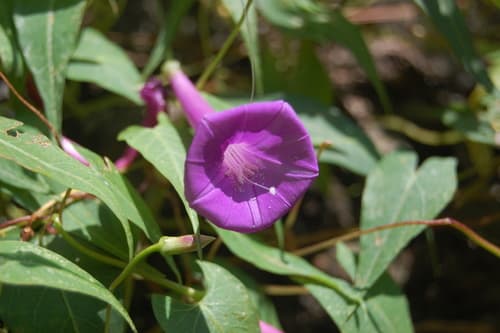
Cape Dodder
NameCape Dodder
Scientific NameCuscuta africana
Common NamesCape Dodder, Dodder
Plant FamilyConvolvulaceae
Natural HabitatParasitic on various herbaceous plants and shrubs, typically found in fynbos and renosterveld vegetation in the Cape region of South Africa.
Parts Usedwhole_plant,seed
Medicinal Actionsdiuretic, antioxidant, anti-inflammatory
Traditional UsesWhile specific traditional uses for *Cuscuta africana* are not widely documented, other *Cuscuta* species have been traditionally used as a purgative, diuretic, and for liver and spleen complaints. The seeds of some species are valued in Traditional Chinese Medicine for kidney deficiency, impotence, and frequent urination.
Active Constituentsflavonoids, lignans, polysaccharides
Preparation Methodsinfusion, decoction, powder
Contraindications & WarningsDue to its parasitic nature and potential for toxicity in some species, internal use should be approached with caution and under expert guidance. Not recommended for pregnant women or individuals with severe constipation.
Cultivation NotesDodder is a parasitic plant that cannot be cultivated independently. It requires a suitable host plant to germinate and grow, attaching via haustoria to absorb nutrients.
Raritycommon
Description
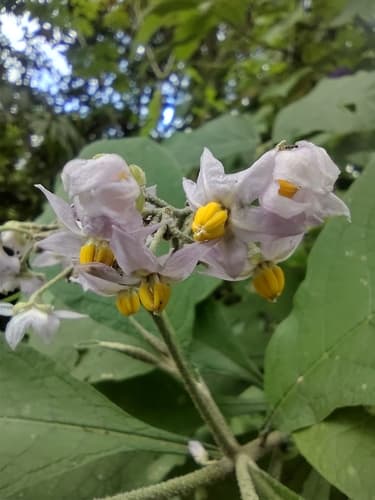
A parasitic annual plant characterized by its thread-like, leafless, yellowish-orange stems that twine around host plants. It produces small, clustered, white to cream-colored, star-shaped flowers with prominent yellow anthers.