Cantabrican morning glory
NameCantabrican morning glory
Scientific NameConvolvulus cantabrica
Common NamesCantabrican morning glory, Pink bindweed
Plant FamilyConvolvulaceae
Natural HabitatNative to Southern Europe, North Africa, and parts of Asia, this plant thrives in dry, rocky, and grassy areas. It is commonly found on hillsides, roadsides, and in open woodlands, preferring well-drained soils.
Parts Usedwhole_plant,root
Medicinal Actionsdiuretic, anti-inflammatory, astringent
Traditional UsesTraditionally, various species within the Convolvulus genus, including bindweeds, have been used as strong purgatives to alleviate constipation. Folk medicine also employed poultices of the plant for external application on skin ailments and wounds, and occasionally as a diuretic.
Active ConstituentsResin glycosides, Flavonoids, Tannins
Preparation Methodsdecoction, powder, poultice, infusion
Contraindications & WarningsDue to its potent purgative action, Cantabrican morning glory can cause severe gastrointestinal upset, abdominal pain, and dehydration. It is contraindicated for pregnant or breastfeeding women, children, and individuals with inflammatory bowel conditions. Overdose can be toxic.
Cultivation NotesThis plant prefers full sun exposure and well-drained, often calcareous soils. It is drought-tolerant once established and can be propagated by seed or division, making it a relatively hardy species.
Raritycommon
Description
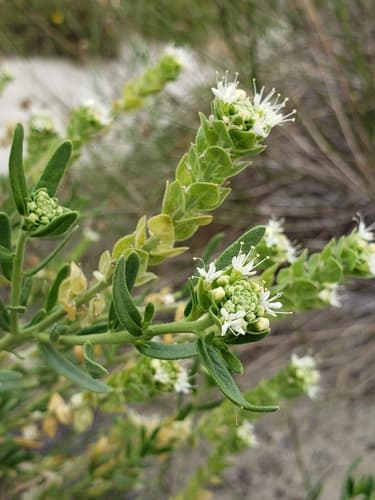
Cantabrican morning glory is a perennial herbaceous plant characterized by its trailing or climbing stems and delicate, funnel-shaped flowers. The blossoms are typically pale pink to white, often adorned with darker pink stripes radiating from the center.