Eucnide hirta
NameEucnide hirta
Scientific NameEucnide hirta
Common NamesHierba de San Pedro, Stinging Nettleleaf
Plant FamilyLoasaceae
Natural HabitatNative to Mexico and Central America, it typically grows in rocky areas, canyons, and dry slopes, often in partial shade. It can be found in disturbed areas as well.
Parts Usedleaf,flower,whole_plant
Medicinal Actionsanti-inflammatory, antimicrobial, diuretic
Traditional UsesTraditionally, Eucnide hirta has been used in some folk medicine practices, particularly in Mexico, for treating skin conditions and wounds, often applied as a poultice. It has also been reported to be used as a diuretic.
Active ConstituentsIrritant compounds (e.g., histamines, acetylcholine-like substances), Flavonoids
Preparation Methodsinfusion, poultice, powder
Contraindications & WarningsDue to its stinging hairs, direct contact with fresh plant material can cause skin irritation and discomfort. Internal use should be approached with caution due to limited research on its safety and efficacy. Pregnant or breastfeeding women and individuals with known allergies should avoid use.
Cultivation NotesEucnide hirta prefers well-drained soil and partial shade, mimicking its natural habitat in rocky canyons. It is drought-tolerant once established and can be propagated by seed. Care should be taken during handling due to its stinging hairs.
Raritycommon
Description
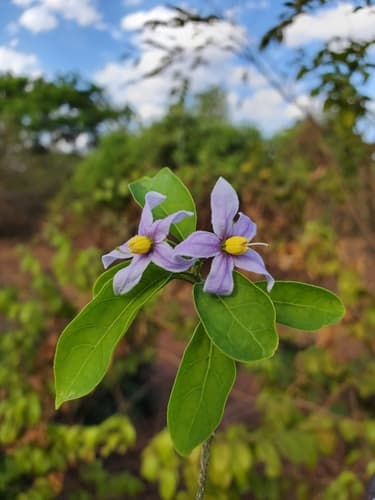
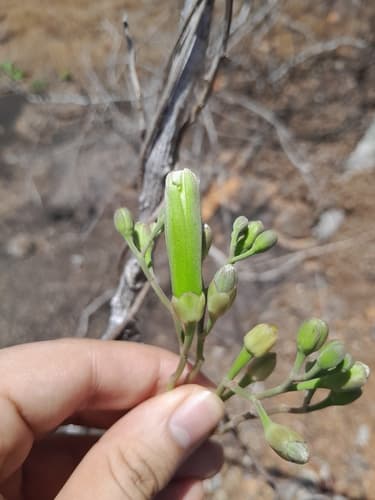
Eucnide hirta is a herbaceous perennial plant characterized by its heart-shaped to kidney-shaped leaves with crenate margins. The plant produces bright yellow, cup-shaped flowers with numerous prominent stamens, often appearing in the leaf axils. Its stems and leaves are typically covered with stinging hairs.