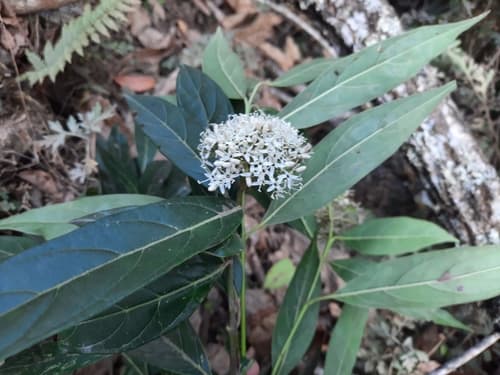
Bush Tomato
NameBush Tomato
Scientific NameSolanum centrale
Common NamesBush Tomato, Desert Raisin, Akudjura, Kutjera
Plant FamilySolanaceae
Natural HabitatArid and semi-arid regions of central Australia, thriving in sandy soils, mulga lands, and spinifex grasslands.
Parts Usedfruit
Medicinal Actionsantioxidant
Traditional UsesThe ripe fruits are a vital traditional food source for Indigenous Australians, consumed fresh or dried. They are highly valued for their nutritional content, often dried and ground into a powder or paste for storage and use as a flavoring agent.
Active ConstituentsCarotenoids, Phenolic compounds, Vitamin C, Potassium, Iron
Preparation Methodspowder
Contraindications & WarningsUnripe fruits and other parts of the plant may contain solanine, a toxic glycoalkaloid, and should not be consumed. Only ripe fruits are considered safe for consumption.
Cultivation NotesPrefers full sun and well-drained, sandy soils. It is highly drought-tolerant once established and requires warm climates. Can be propagated from seed.
Raritycommon
Description
A thorny, perennial shrub native to arid central Australia, typically growing up to 1 meter tall. It features deeply lobed, often hairy leaves and distinctive purple, star-shaped flowers, producing small, round, edible fruits that ripen to a yellow-brown color.