Jaborosa sativa
NameJaborosa sativa
Scientific NameJaborosa sativa
Common NamesJaborosa, Mandrake of the Pampas
Plant FamilySolanaceae
Natural HabitatNative to arid and semi-arid regions of South America, particularly Argentina, Chile, and Uruguay, growing in sandy or stony soils, grasslands, and open, sunny areas.
Parts Usedroot,leaf
Medicinal Actionsanalgesic, sedative
Traditional UsesTraditionally, Jaborosa sativa has been used in South American folk medicine as a potent analgesic and sedative, primarily for pain relief and as a hypnotic. Due to its psychoactive properties, it was also used for ritualistic purposes, though its high toxicity makes internal use extremely dangerous.
Active ConstituentsTropane alkaloids, Jaborosalactones, Hyoscyamine, Scopolamine
Preparation Methodsdecoction, tincture, poultice
Contraindications & WarningsHighly toxic and dangerous for internal consumption due to potent tropane alkaloids. Can cause severe anticholinergic effects including hallucinations, delirium, tachycardia, and respiratory depression. Contraindicated for pregnant/nursing women, children, individuals with heart conditions, glaucoma, or prostate enlargement. Interacts dangerously with other anticholinergic drugs.
Cultivation NotesPrefers full sun and well-drained, sandy or stony soils. It is drought-tolerant once established and can be propagated from seeds or by dividing its rhizomatous roots. Requires minimal watering.
Rarityuncommon
Description
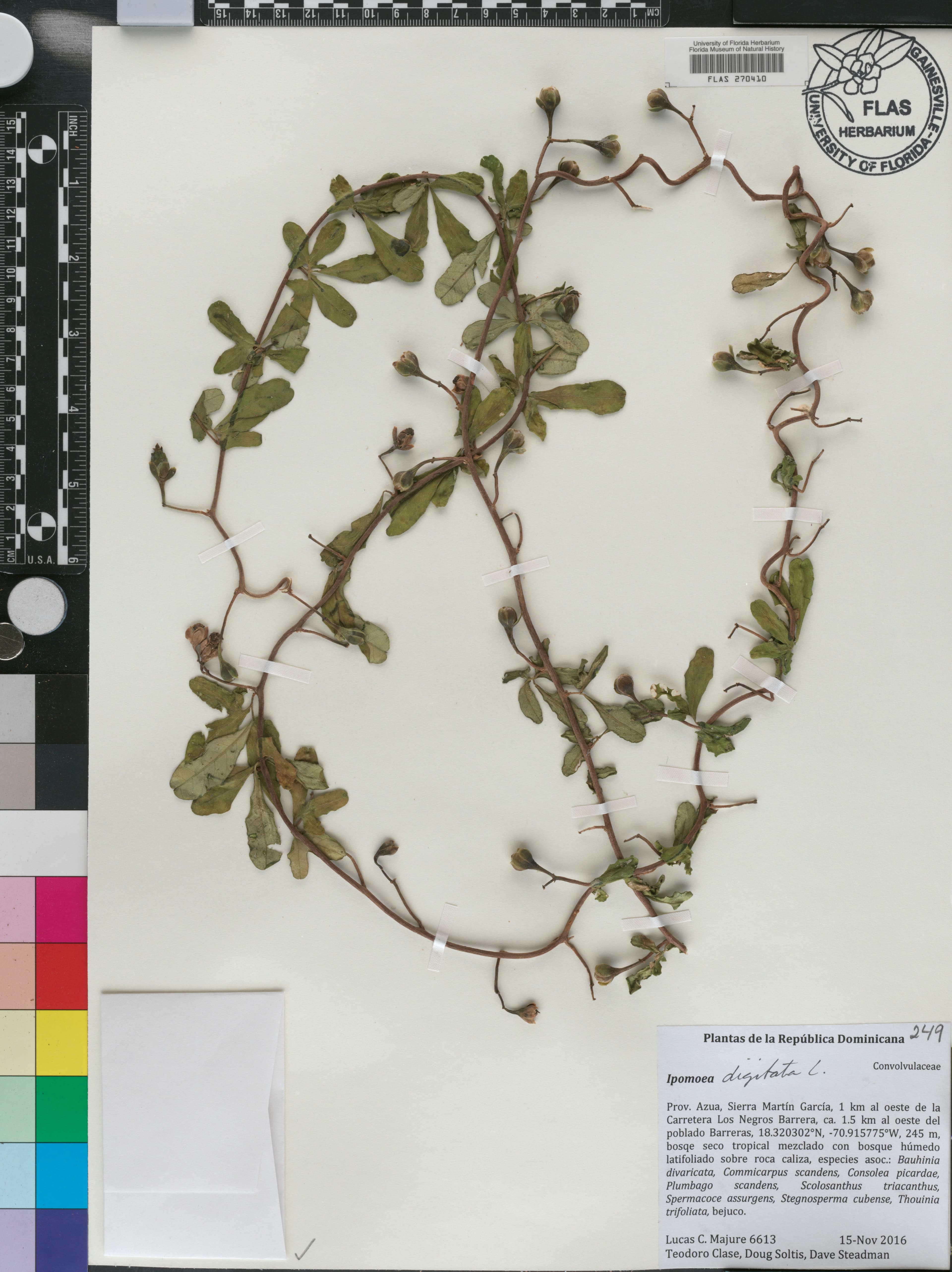
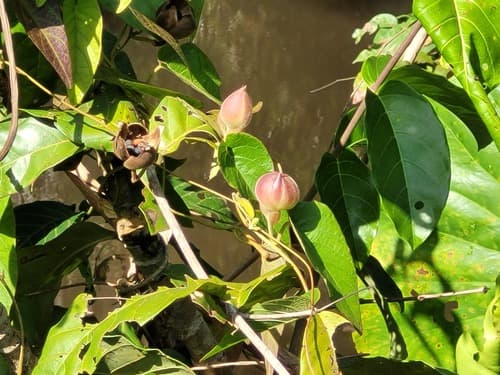
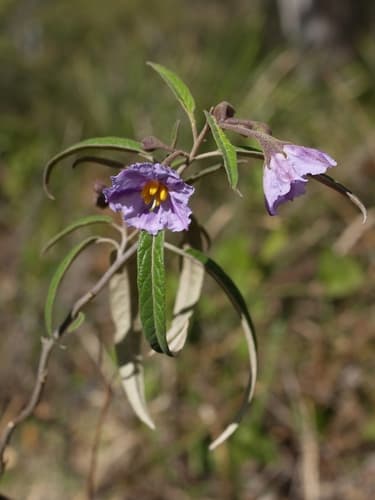
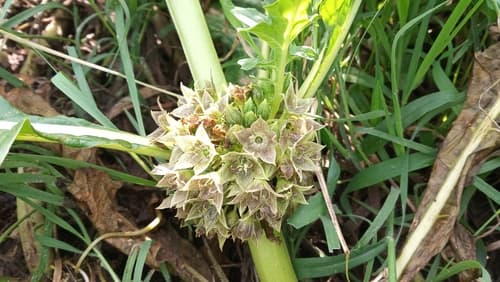
Jaborosa sativa is a perennial herbaceous plant native to South America, characterized by its low-growing habit and often large, star-shaped flowers that can be white, yellowish, or greenish. It typically forms a cluster of flowers at the base of its stems, as seen in the image, and possesses a robust rhizomatous root system.