Brunfelsia macroloba
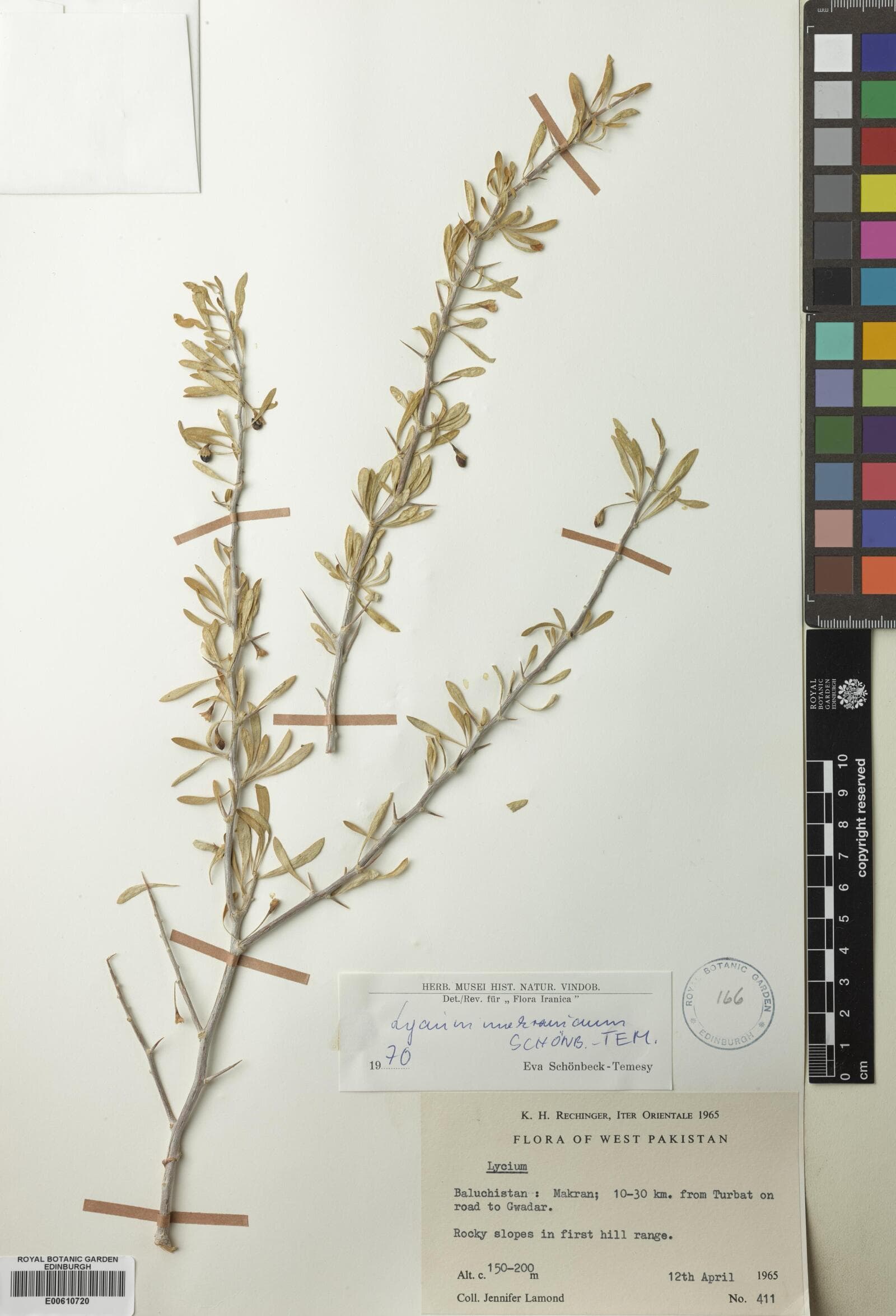
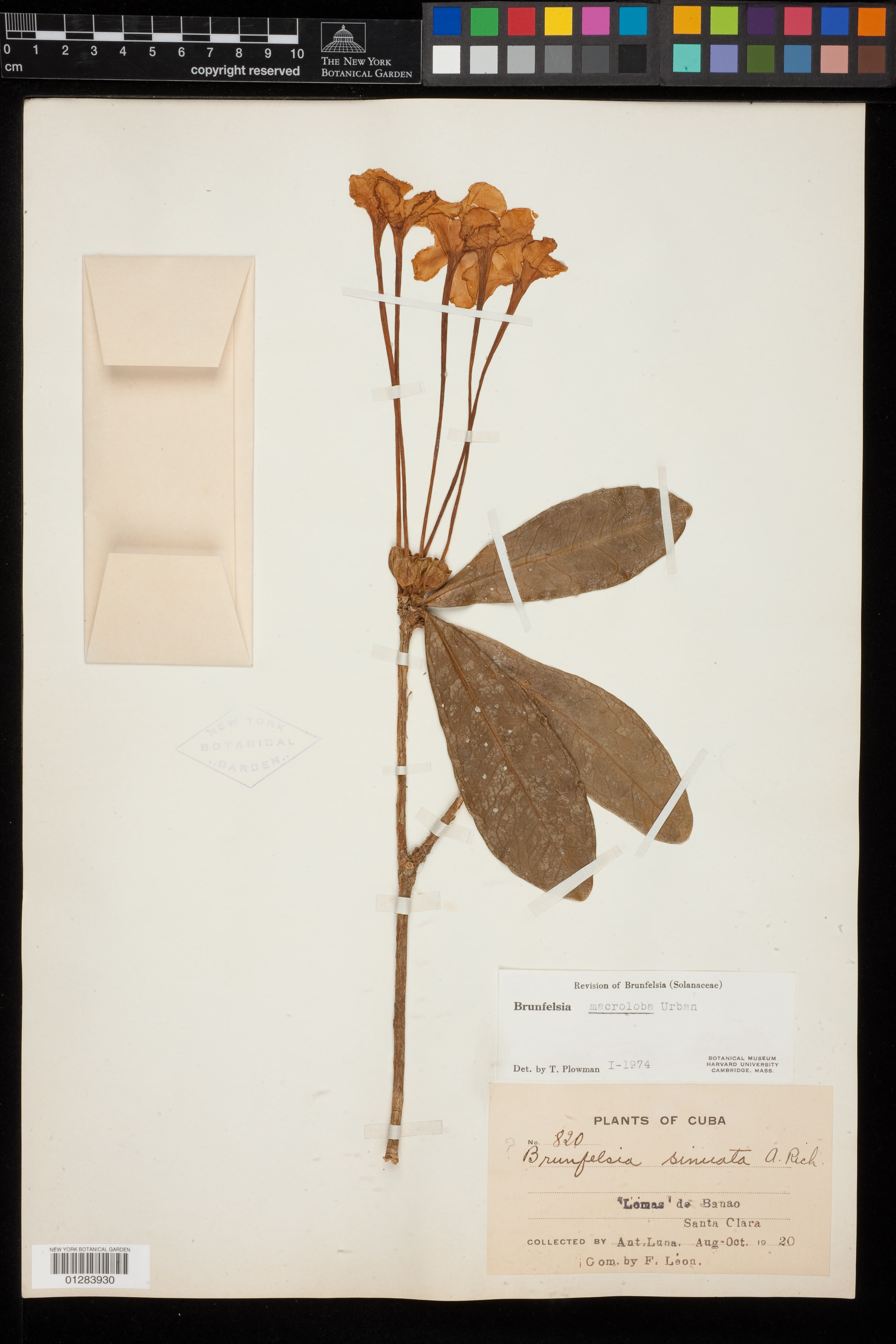
Image: The New York Botanical Garden (cc-by)
NameBrunfelsia macroloba
Scientific NameBrunfelsia macroloba Urb.
Common NamesManaca, Brunfelsia
Plant FamilySolanaceae
Natural HabitatNative to tropical and subtropical regions of the Americas, often found in moist forests and woodlands. The specimen was collected in Lomas de Banao, Santa Clara, Cuba.
Parts Usedroot,bark,leaf
Medicinal Actionsdiuretic, nervine, sedative, anti-inflammatory
Traditional UsesTraditionally, various parts of Brunfelsia species, including B. macroloba, have been used in folk medicine for their purgative, diuretic, and diaphoretic properties. They are also employed to treat fevers, rheumatism, syphilis, and as a nervine or sedative, sometimes in shamanic rituals for their psychoactive effects.
Active Constituentsscopoletin, brunfelsamidine, manacine, indole alkaloids, coumarins
Preparation Methodsinfusion, decoction, tincture
Contraindications & WarningsBrunfelsia species are known to be toxic and should be used with extreme caution and under expert guidance due to the presence of psychoactive and potentially harmful alkaloids. Symptoms of toxicity can include nausea, vomiting, dizziness, tremors, and neurological disturbances. Not recommended for pregnant or nursing women, children, or individuals with liver or kidney conditions.
Cultivation NotesThis tropical plant thrives in warm, humid climates with well-drained soil and prefers partial shade. It can be cultivated as an ornamental shrub or small tree in suitable environments.
Rarityuncommon
Description
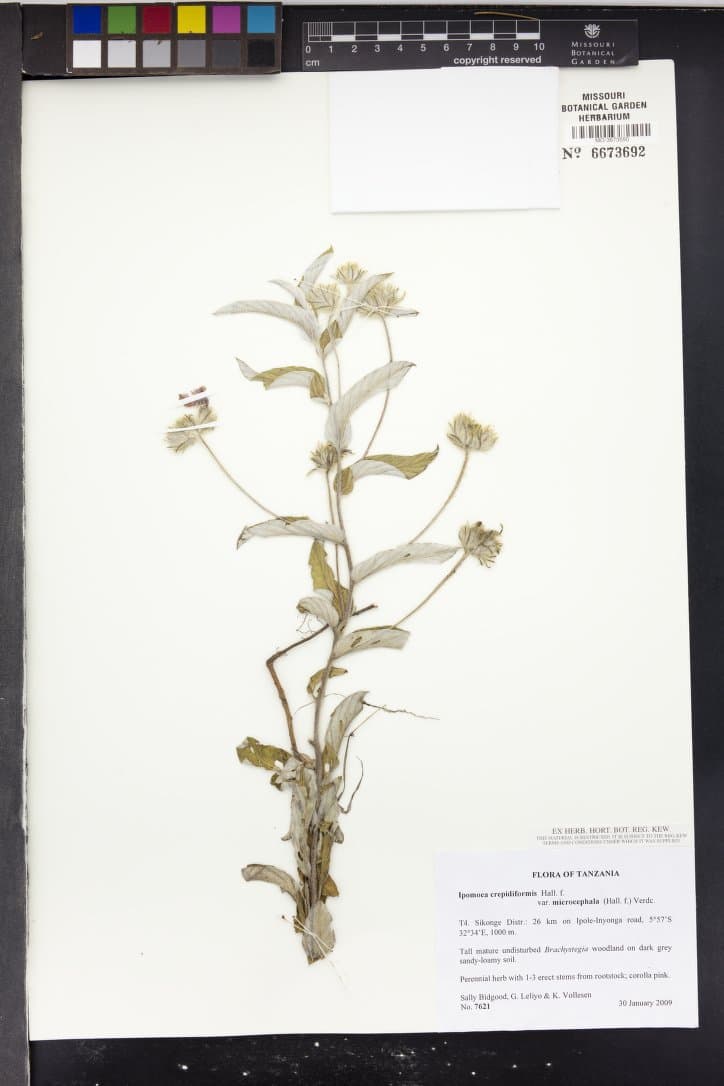
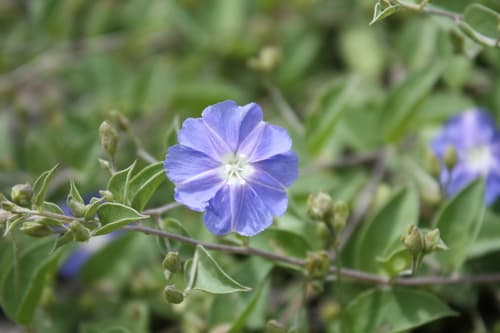
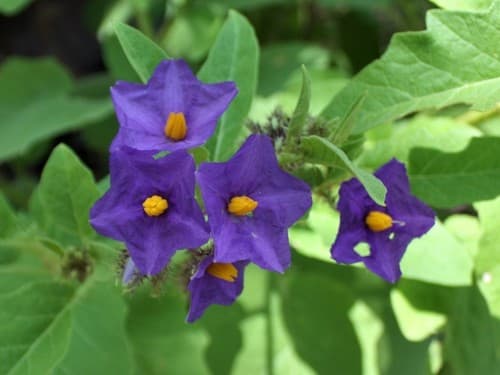
Brunfelsia macroloba is a tropical shrub or small tree characterized by its relatively large, ovate leaves and showy, trumpet-shaped flowers. The flowers typically change color over several days, often starting purple and fading to white, though in this dried specimen they appear brownish-orange.