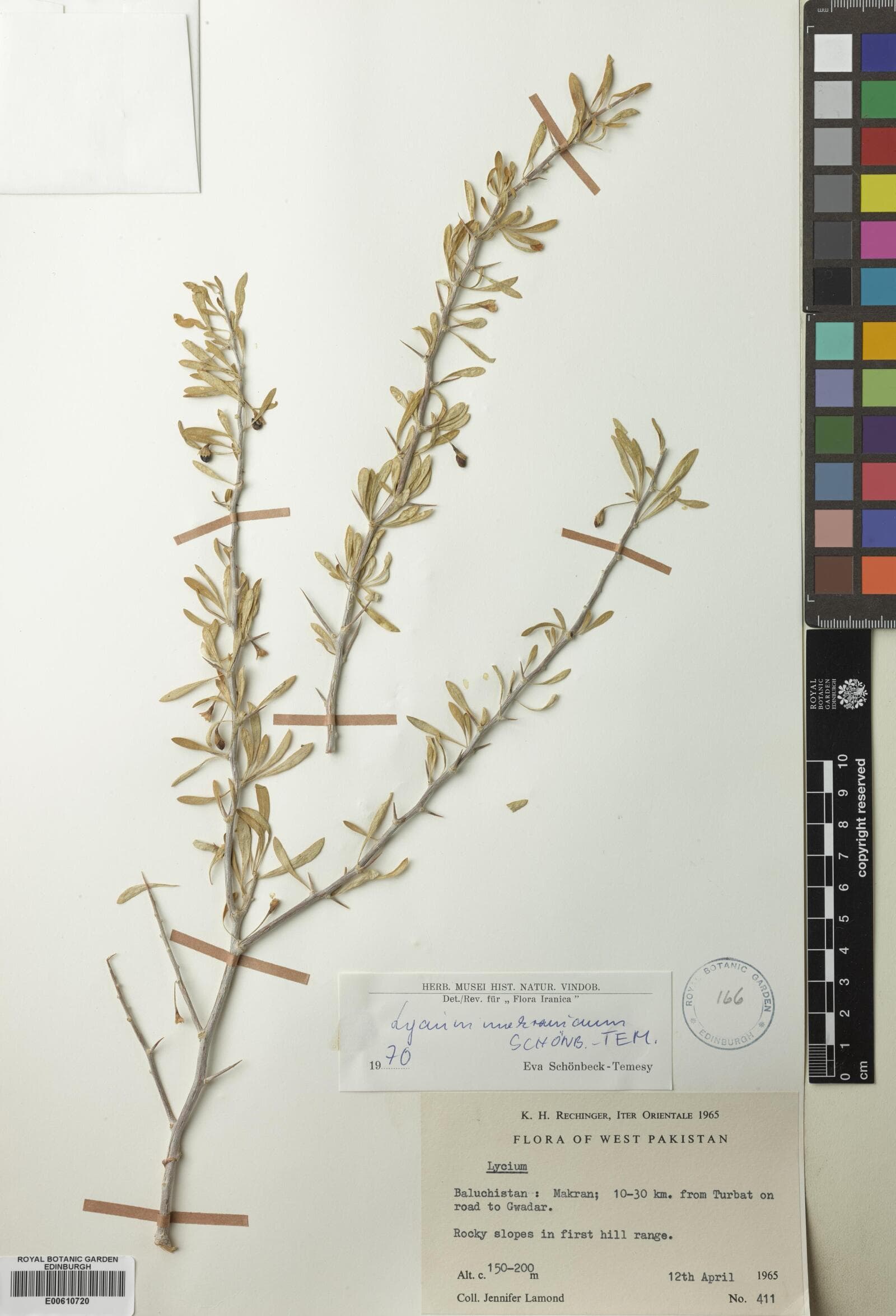
Lycium makranicum
Image: Royal Botanic Garden Edinburgh (cc0)
NameLycium makranicum
Scientific NameLycium makranicum Schönb.-Tem.
Plant FamilySolanaceae
Natural HabitatFound on rocky slopes in the first hill range of Baluchistan, Makran, specifically 10-30 km from Turbat on the road to Gwadar, at an altitude of approximately 150-200 meters.
Parts Usedfruit,leaf
Medicinal Actionsantioxidant, adaptogen
Traditional UsesWhile specific traditional uses for Lycium makranicum are not detailed in the provided information, other species within the Lycium genus (e.g., Goji berry) are traditionally used in herbal medicine to support general vitality, enhance vision, and boost immune function. It is plausible that this species shares similar properties.
Active Constituentspolysaccharides, carotenoids, flavonoids
Preparation Methodsinfusion, decoction, powder
Contraindications & WarningsAs with other Lycium species, potential interactions with anticoagulant medications (e.g., warfarin) due to coumarin derivatives may exist. Allergic reactions are possible in sensitive individuals.
Cultivation NotesThis species likely thrives in arid to semi-arid climates, requiring full sun exposure and well-drained, rocky soils. It is expected to be drought-tolerant once established, reflecting its natural habitat.
Rarityuncommon
Description
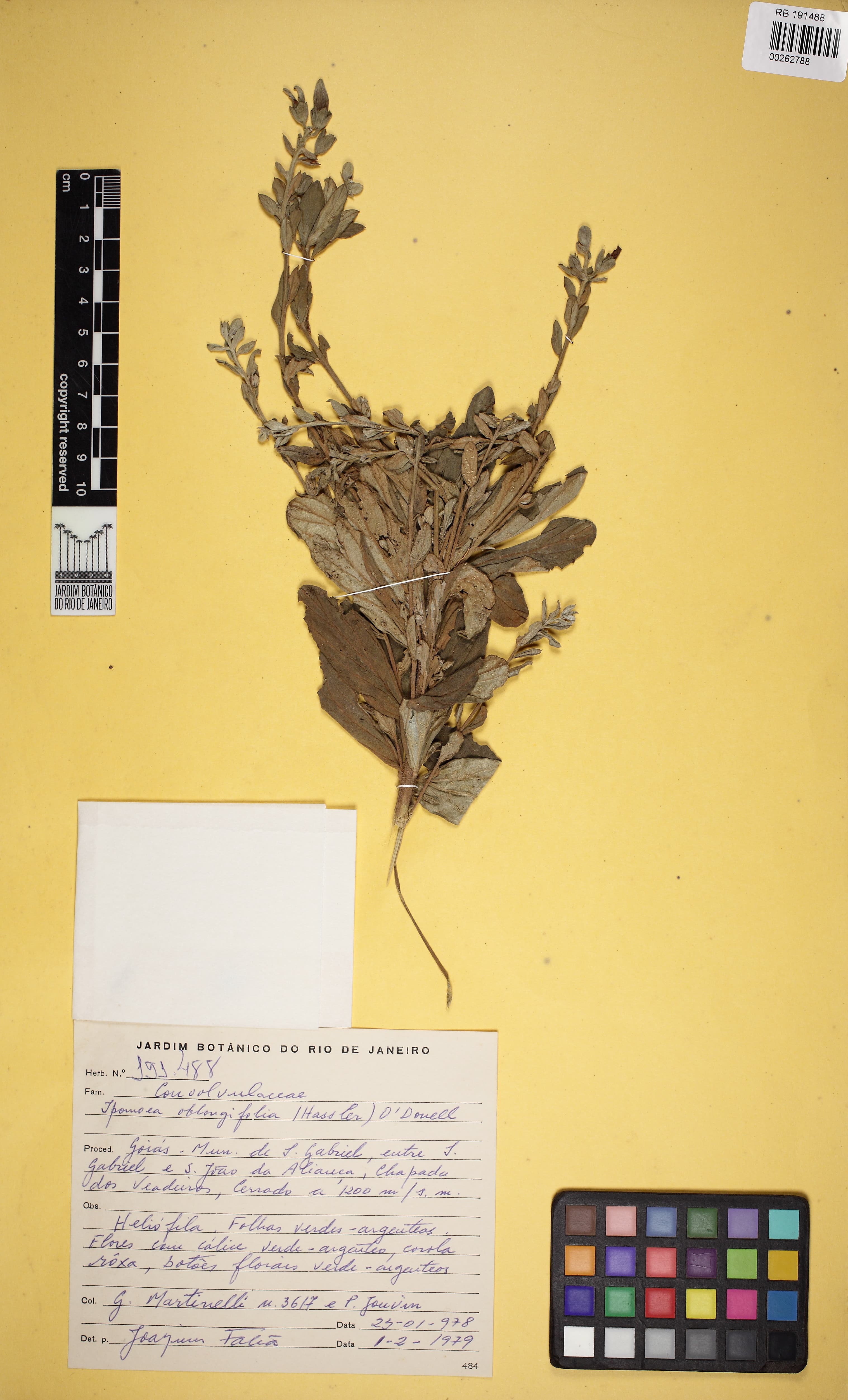
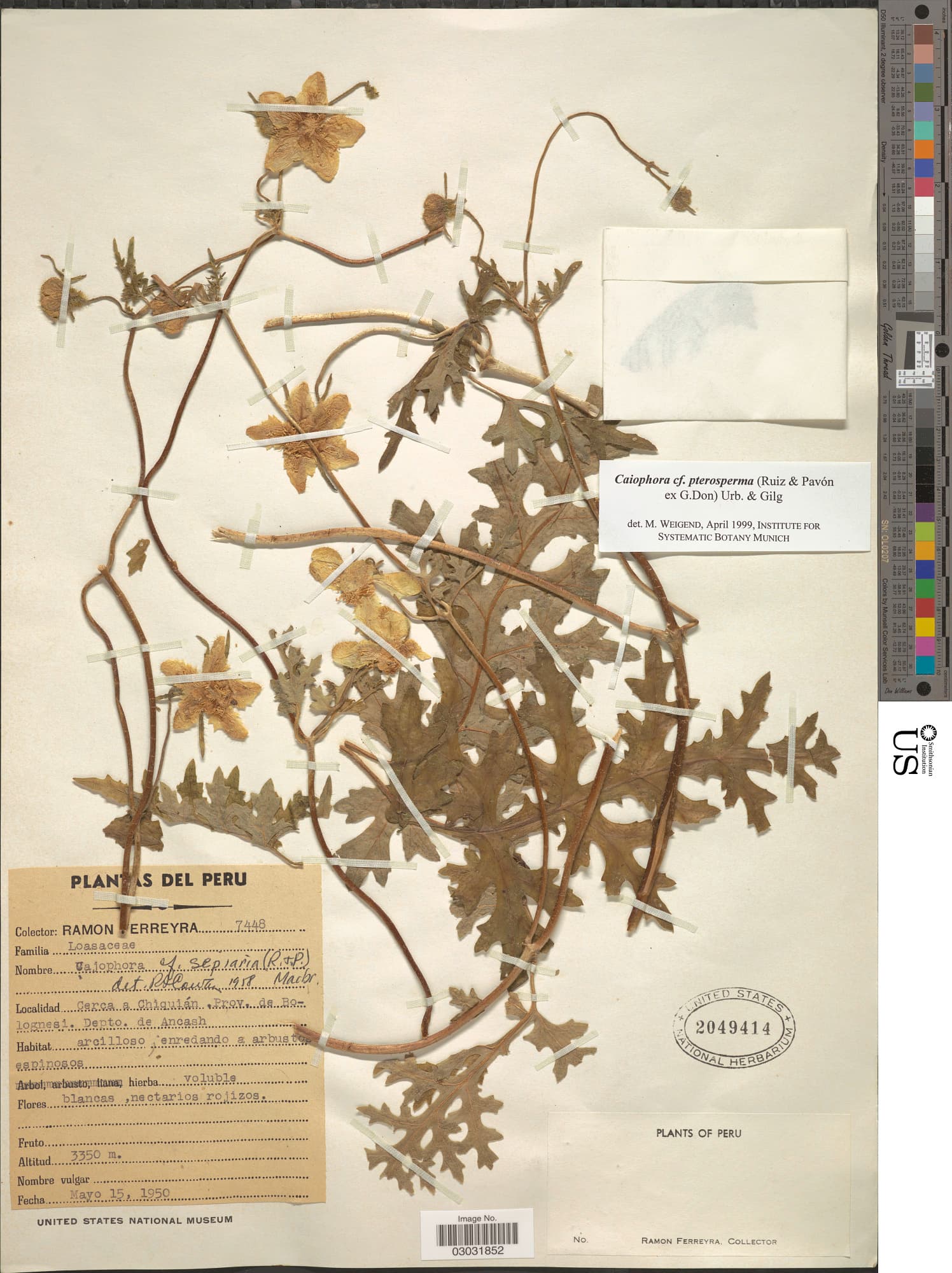
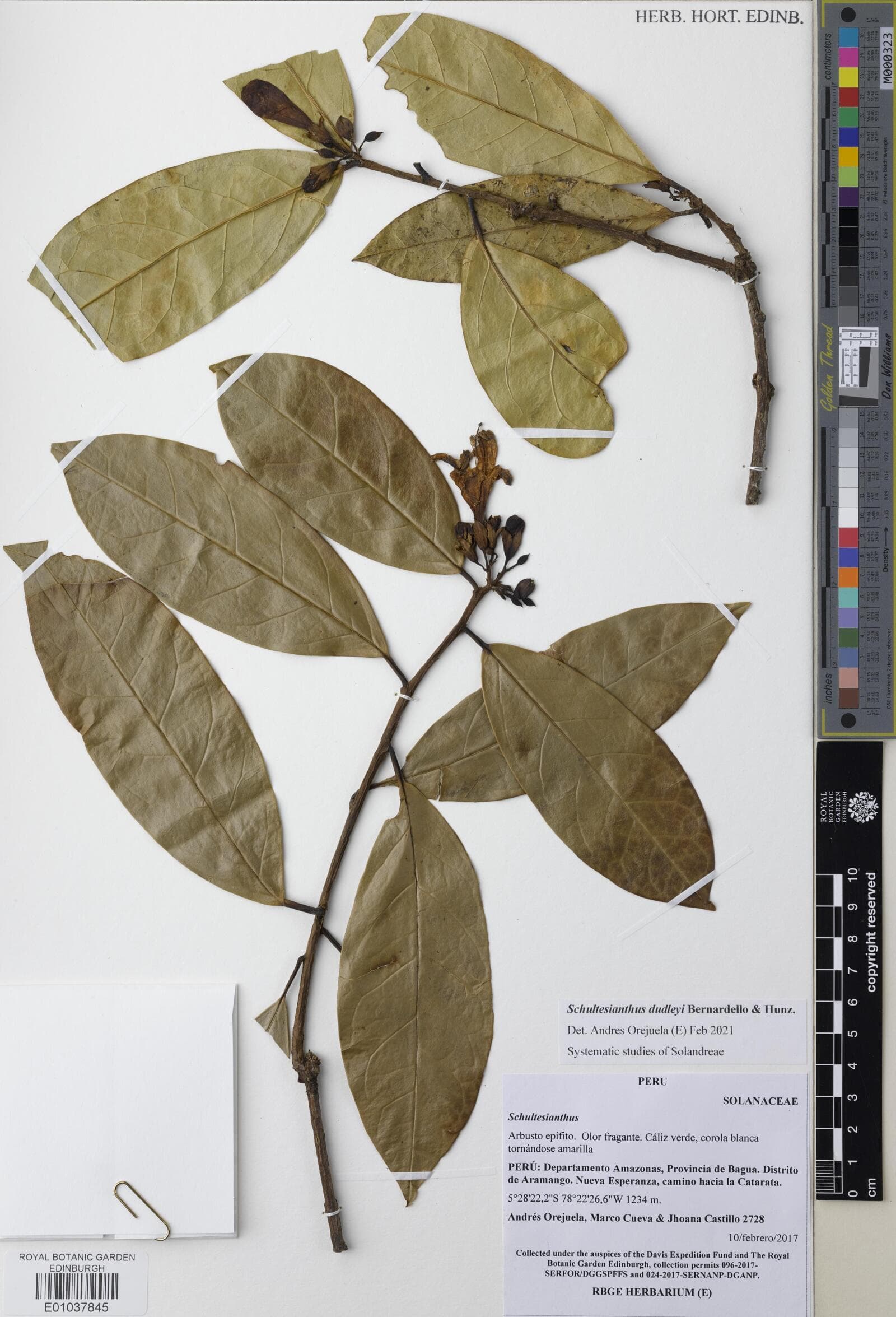
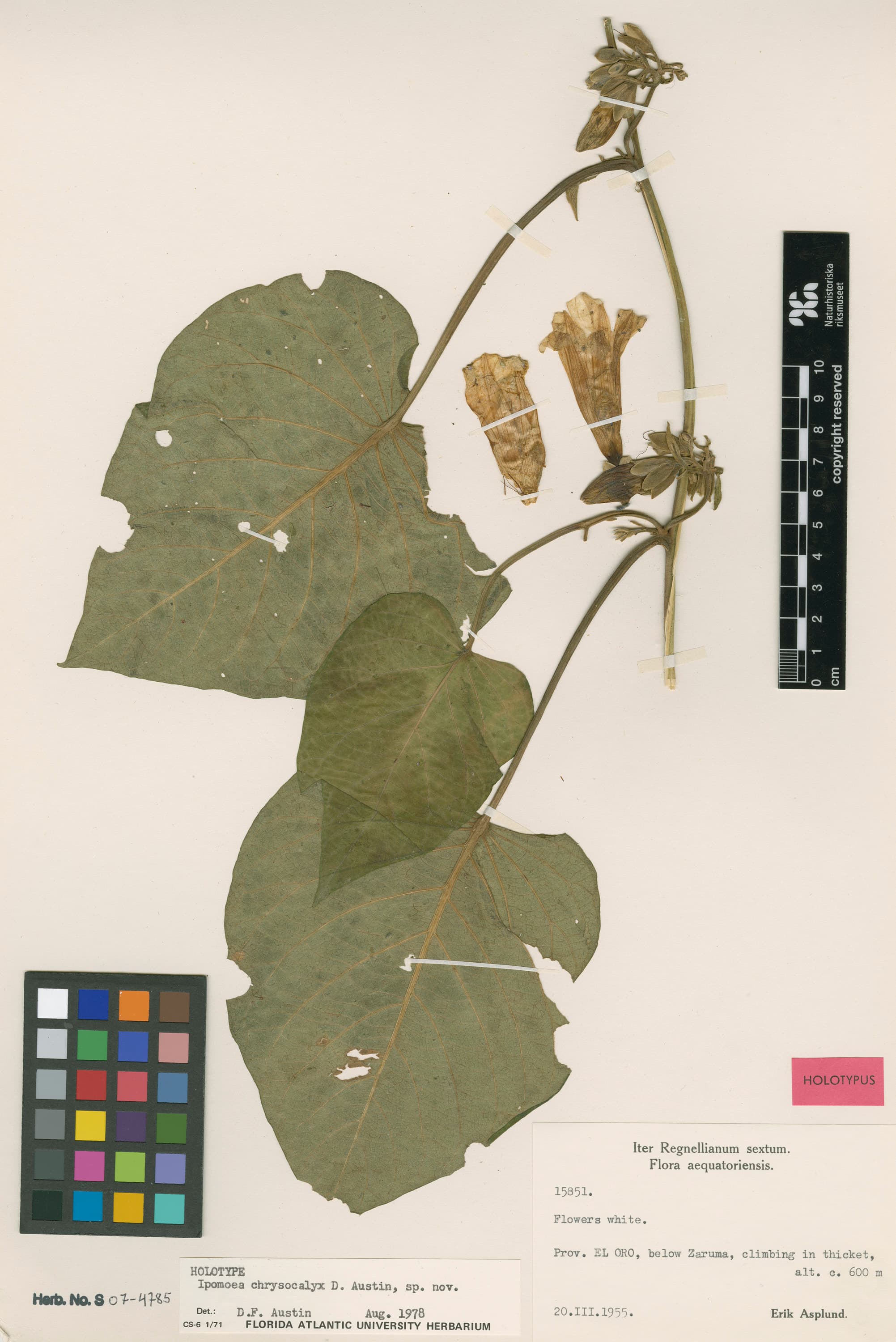
A thorny, woody shrub characterized by small, somewhat spatulate to oblong leaves and small, dark, berry-like fruits. The specimen shows dried branches with persistent leaves and some dried fruits, typical of a plant adapted to arid environments.