Solanum indivisum
NameSolanum indivisum
Scientific NameSolanum indivisum
Common NamesBeach Nightshade
Plant FamilySolanaceae
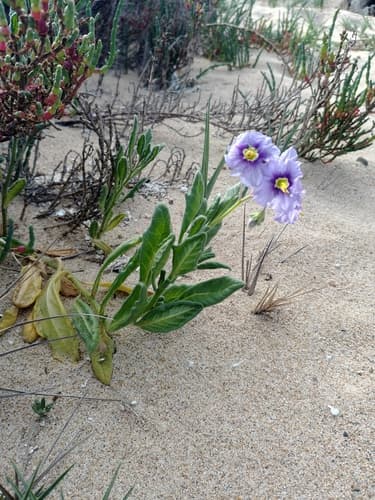
Natural HabitatCoastal dunes, sandy beaches, and arid coastal scrublands, particularly along the coasts of Chile and Peru.
Parts Usedleaf,fruit
Medicinal Actionsanti-inflammatory, analgesic
Traditional UsesWhile some *Solanum* species have traditional medicinal applications, there are no widely documented or safe traditional medicinal uses for *Solanum indivisum* in standard ethnobotanical literature. The plant is primarily known as a wild coastal species. Any potential traditional use would be highly localized and require extreme caution due to the inherent toxicity of the genus.
Active ConstituentsSteroidal glycoalkaloids, Solanine-like compounds
Preparation Methodspoultice
Contraindications & WarningsAll parts of *Solanum indivisum* are considered toxic due to the presence of steroidal glycoalkaloids. Ingestion can lead to severe gastrointestinal distress, neurological symptoms, and can be fatal. Internal use is strongly contraindicated. External application should be avoided or used with extreme caution due to potential skin irritation and systemic absorption, and only under strict expert supervision.
Cultivation NotesThis plant thrives in full sun and very well-drained, sandy soils. It is highly drought-tolerant once established and adapted to harsh coastal environments, including salt spray.
Rarityuncommon
Description
A low-growing perennial herb native to coastal sandy areas. It features ovate to lanceolate leaves covered in fine hairs, giving them a grayish-green, velvety texture. The distinctive star-shaped flowers are pale purple with a prominent yellow central cone of anthers.