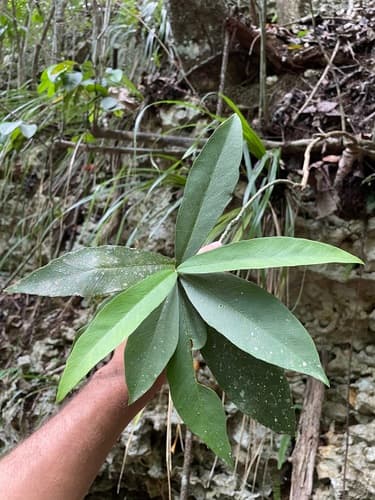
Brunfelsia boliviana
NameBrunfelsia boliviana
Scientific NameBrunfelsia boliviana
Common NamesBolivian Yesterday-Today-and-Tomorrow, Bolivian Brunfelsia
Plant FamilySolanaceae
Natural HabitatNative to the tropical and subtropical regions of South America, particularly Bolivia. It thrives in the understory of forests, forest margins, and disturbed areas, preferring warm, humid environments.
Parts Usedroot,bark,leaf
Medicinal Actionsanalgesic, anti-inflammatory, diuretic, nervine, sedative
Traditional UsesTraditionally, various parts of Brunfelsia species, including B. boliviana, have been used by indigenous communities for their medicinal properties. It has been employed as a purgative, emetic, and diaphoretic, and for treating fevers, rheumatism, and syphilis. Some species are also used for their psychoactive and calming effects.
Active Constituentsscopoletin, brunfelsamidine, manacine, other alkaloids, coumarins
Preparation Methodsdecoction, tincture, infusion, poultice
Contraindications & WarningsBrunfelsia boliviana is considered highly toxic due to the presence of potent alkaloids. Ingestion, especially in large quantities, can cause severe symptoms including nausea, vomiting, diarrhea, tremors, convulsions, and paralysis. It should not be used internally without expert supervision and is generally not recommended for self-medication.
Cultivation NotesThis plant prefers warm, humid climates and well-drained, fertile soil. It thrives in partial shade but can tolerate full sun if kept adequately watered. It is often cultivated as an ornamental for its attractive, fragrant, color-changing flowers.
Raritycommon
Description
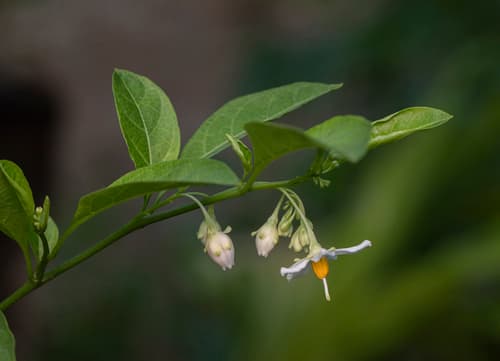
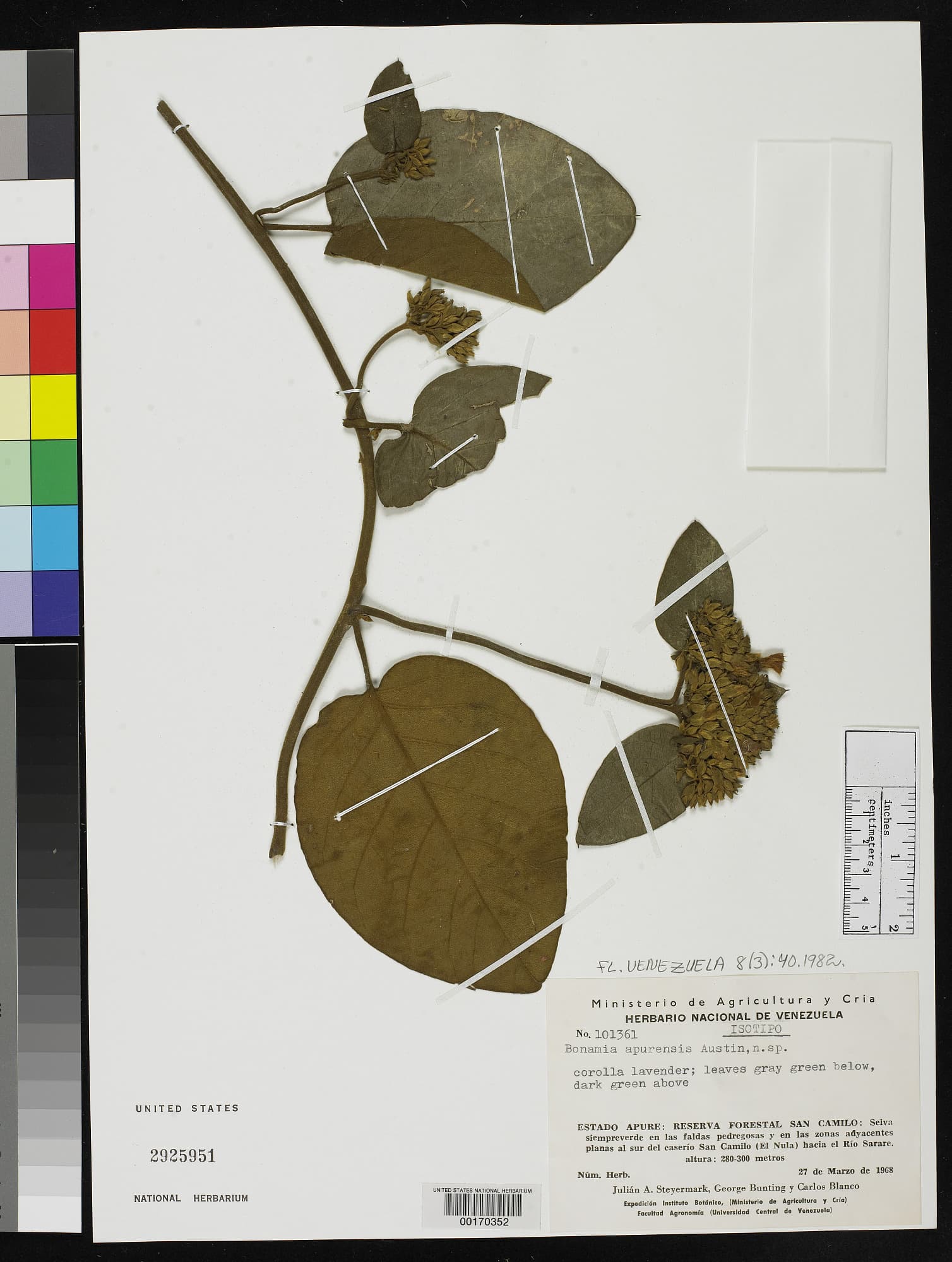
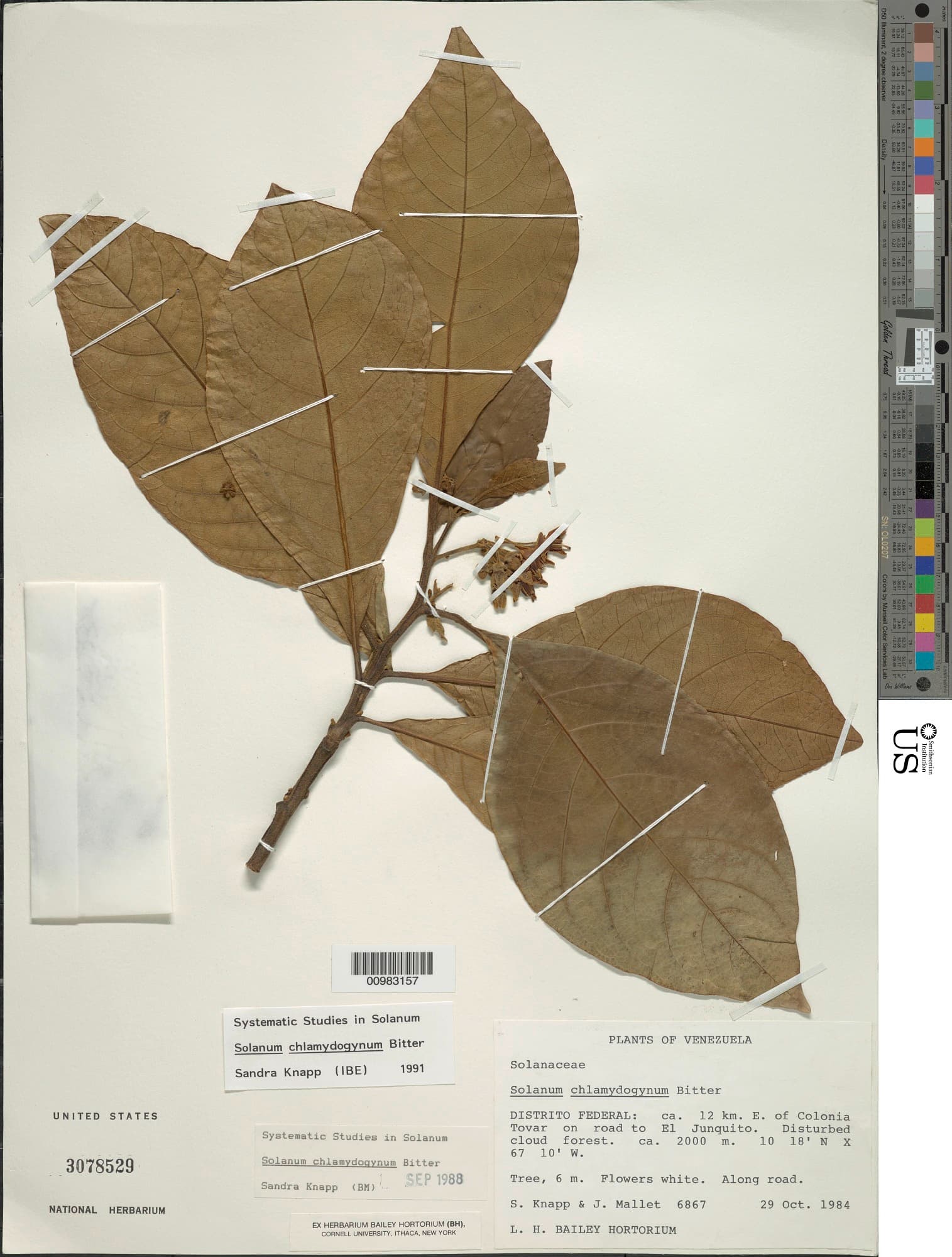
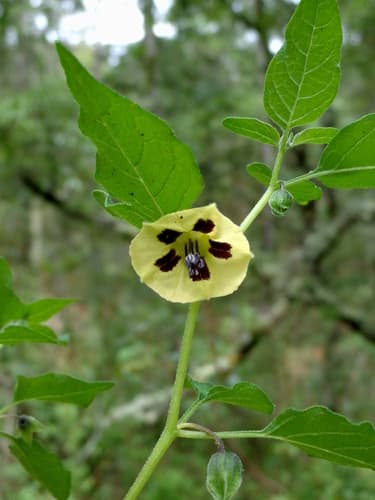
Brunfelsia boliviana is an evergreen shrub or small tree, typically growing 1-3 meters tall, characterized by simple, alternate, elliptic to oblong, dark green leaves. It is renowned for its fragrant, trumpet-shaped flowers that undergo a striking color change from purple to lavender to white over several days.