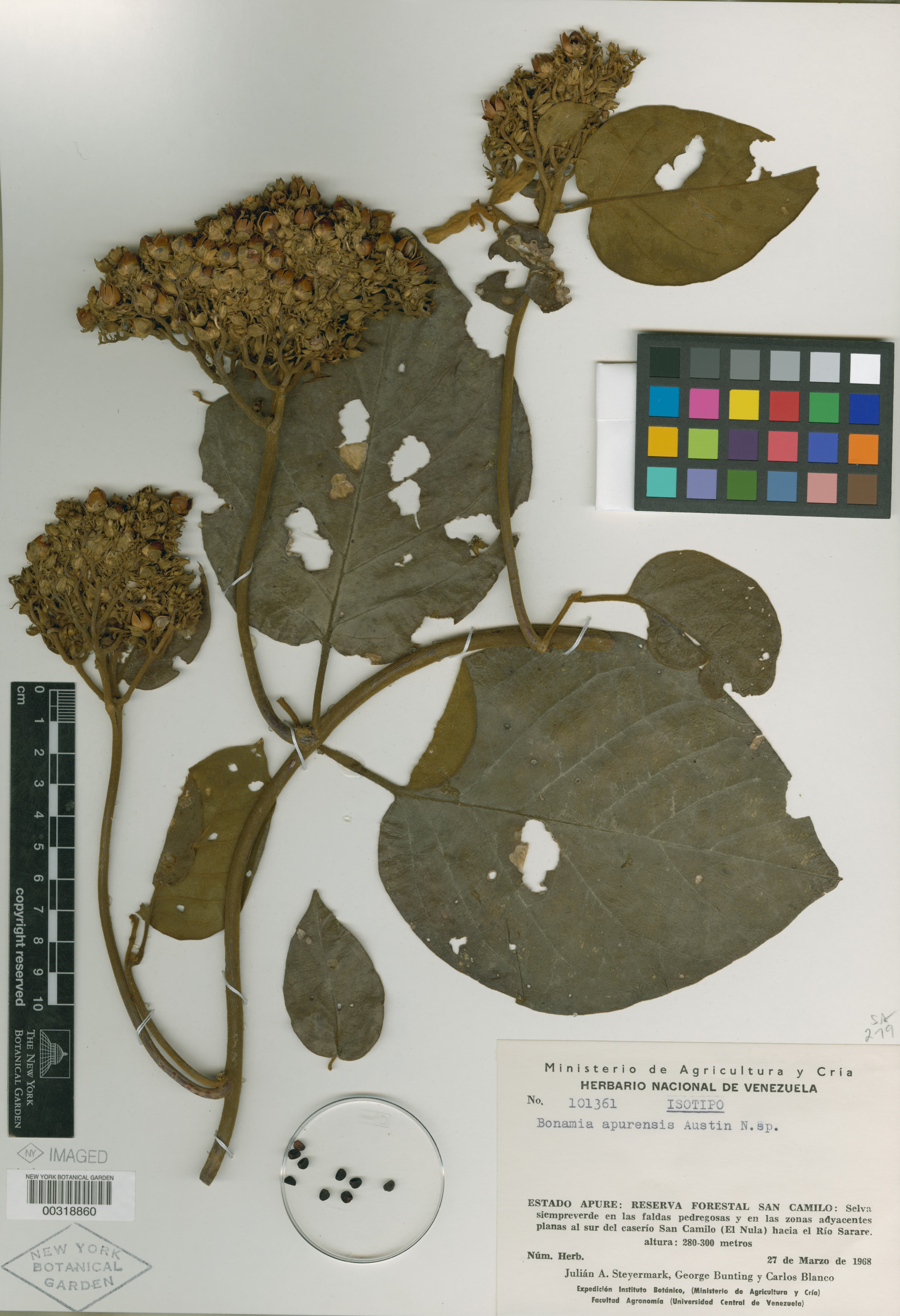
grassland bindweed
Namegrassland bindweed
Scientific NameConvolvulus arvensis
Common NamesField Bindweed, Morning Glory, Creeping Jenny, Small-flowered Morning Glory, European Bindweed
Plant FamilyConvolvulaceae
Natural HabitatNative to Eurasia, but widely naturalized and invasive globally. It thrives in disturbed soils, agricultural fields, gardens, roadsides, and grasslands, preferring full sun and well-drained soil.
Parts Usedroot,whole_plant
Medicinal Actionsdiuretic
Traditional UsesHistorically, the root and sometimes the whole plant were used as a strong purgative and laxative, primarily in folk medicine. It was also occasionally employed externally for skin conditions or internally as a mild diuretic. Due to its toxicity and harsh effects, it is rarely used in modern herbalism.
Active ConstituentsResin glycosides, tannins, alkaloids, flavonoids
Preparation Methodsdecoction, powder, poultice
Contraindications & WarningsAll parts of the plant are considered toxic, especially in large doses, causing severe gastrointestinal upset, vomiting, and diarrhea. It is contraindicated in pregnancy, breastfeeding, gastrointestinal obstruction, and inflammatory bowel disease. Not recommended for internal use due to its toxicity and harsh purgative effects.
Cultivation NotesConsidered a noxious weed in many regions due to its aggressive, deep-rooted, and difficult-to-eradicate nature. It spreads rapidly via seeds and rhizomes, making it a persistent problem in agricultural and garden settings. Thrives in disturbed soils, full sun, and can tolerate a wide range of soil types.
Raritycommon
Description
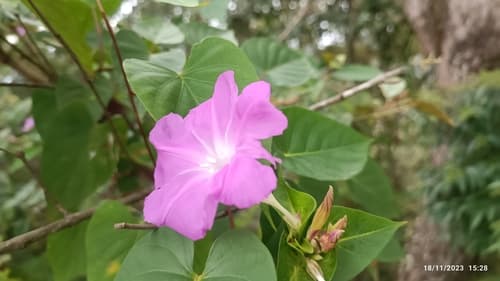
A perennial, herbaceous vine with slender, twining stems and arrow-shaped leaves. It produces small, trumpet-shaped flowers, typically white to pink with darker stripes, blooming from spring to fall. The plant is known for its deep, extensive root system.