Brunfelsia
NameBrunfelsia
Scientific NameBrunfelsia picardae
Common NamesManaca, Yesterday-Today-and-Tomorrow
Plant FamilySolanaceae
Natural HabitatNative to tropical and subtropical regions of the Americas, often found in the understory or at the edges of forests.
Parts Usedroot,bark
Medicinal Actionsanalgesic, nervine, sedative, diuretic
Traditional UsesTraditionally used in South American folk medicine for treating fevers, rheumatism, syphilis, and as a purgative or diuretic. It is also known for its psychoactive properties in some indigenous practices, used to induce visions or as a ceremonial plant.
Active ConstituentsBrunfelsamidine, scopoletin, manacine, indole alkaloids
Preparation Methodsdecoction, tincture, powder
Contraindications & WarningsAll parts of Brunfelsia species are considered toxic if ingested in large quantities. Symptoms include nausea, vomiting, dizziness, tremors, and neurological disturbances. Contraindicated in pregnancy, lactation, children, and individuals with liver or kidney conditions; should only be used under expert supervision due to potent effects.
Cultivation NotesPrefers warm, humid climates with well-drained, fertile soil. Thrives in partial shade but can tolerate full sun if kept moist. Requires consistent watering and protection from frost.
Rarityuncommon
Description
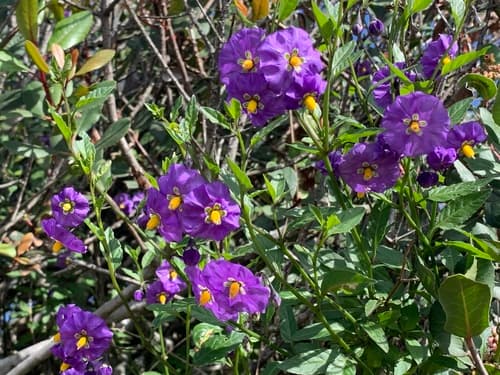
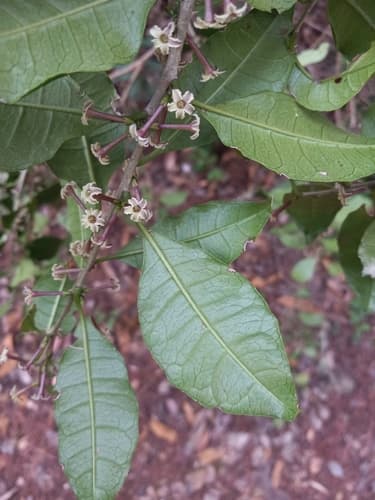
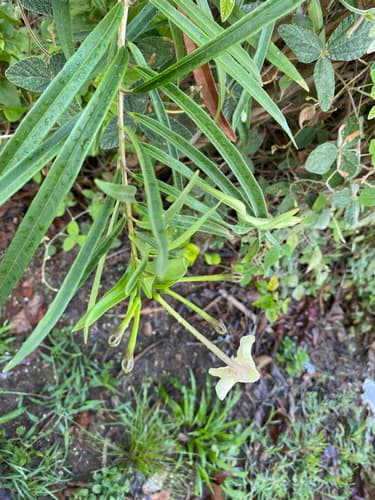
Brunfelsia picardae is a shrub or small tree characterized by its elongated, lanceolate leaves and solitary, tubular flowers. The flowers are typically pale yellow or cream, fading to white, and possess a long corolla tube, often changing color over several days. This species is native to tropical regions of the Americas.