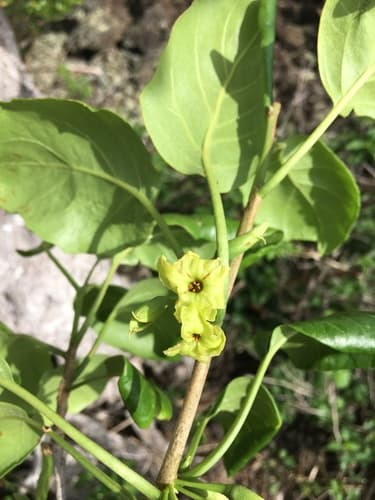
broadleaf 'aiea
Namebroadleaf 'aiea
Scientific NameNothocestrum latifolium
Common Namesbroadleaf 'aiea, 'aiea, ʻaiea
Plant FamilySolanaceae
Natural HabitatEndemic to the Hawaiian Islands, found in dry to mesic forests, often on lava flows or rocky slopes, at elevations from sea level to about 4,000 feet.
Parts Usedbark,leaf,flower,fruit
Medicinal Actionsanti-inflammatory, expectorant
Traditional UsesIn traditional Hawaiian medicine (Laʻau Lapaʻau), the bark and leaves were used as a strong purgative and emetic. It was also applied externally as a poultice for skin diseases, sores, and swellings. Internally, it was used to treat respiratory ailments like asthma and for general debility.
Active Constituentsalkaloids, tropane alkaloids, Nothocestrumine
Preparation Methodsdecoction, infusion, poultice
Contraindications & WarningsDue to its potent purgative and emetic properties and the presence of alkaloids, it is considered toxic if misused. It should be used with extreme caution and only under expert guidance. Not recommended for pregnant or nursing women, or individuals with gastrointestinal issues.
Cultivation NotesPrefers well-drained soil and full sun to partial shade. It is drought-tolerant once established but benefits from regular watering. Propagated by seeds or cuttings and requires warm, tropical conditions.
Rarityuncommon
Description
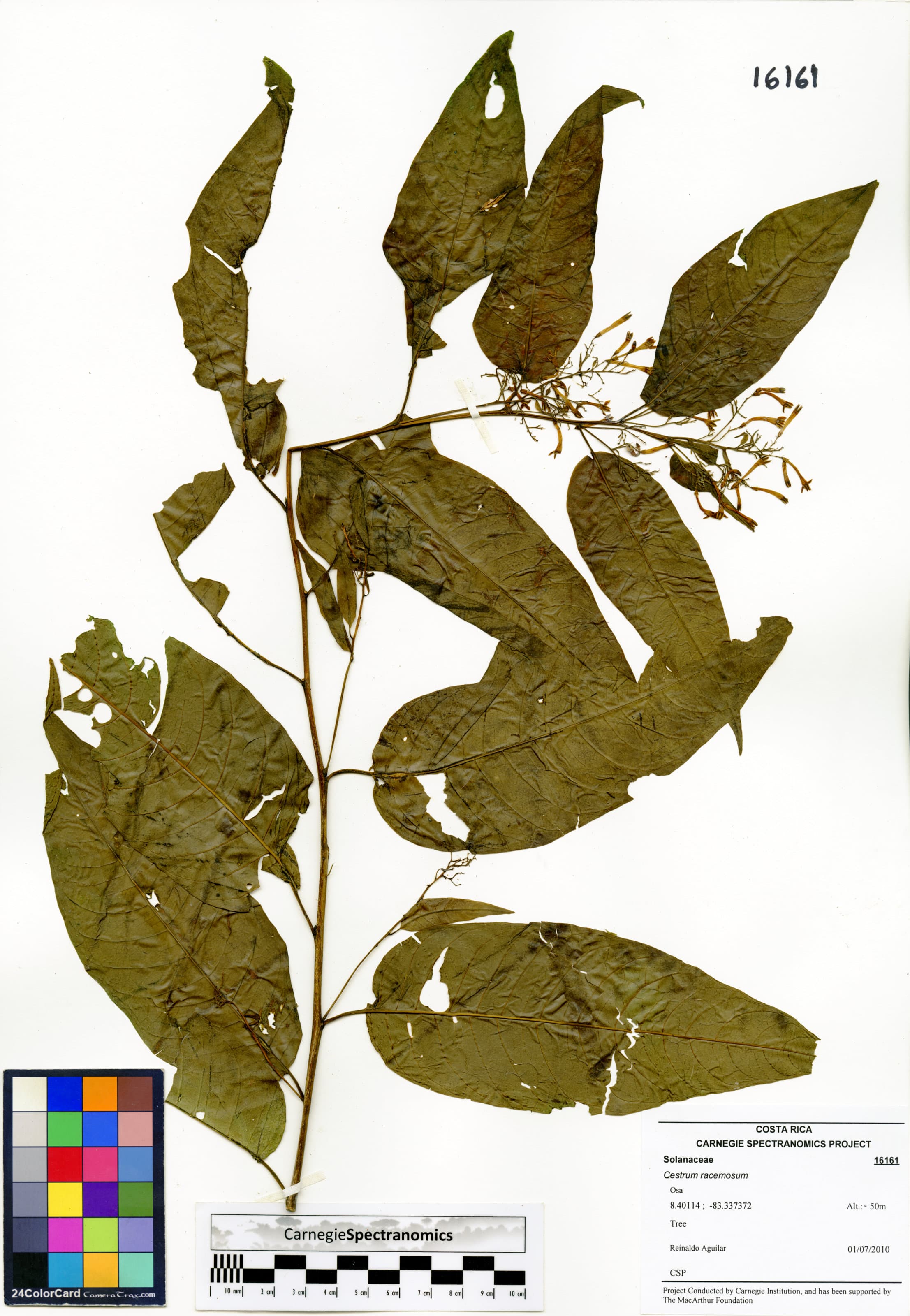
Nothocestrum latifolium is an endemic Hawaiian shrub or small tree, typically growing 3-15 feet tall. It features broad, ovate to elliptic leaves and small, greenish-yellow, tubular flowers that bloom in clusters. The flowers are followed by small, orange-red berries.