Boldo
NameBoldo
Scientific NamePeumus boldus
Common NamesBoldo, Boldus, Boldu
Plant FamilyMonimiaceae
Natural HabitatNative to the dry, sunny slopes and coastal areas of central Chile, often found in sclerophyllous forests and Mediterranean-type climates.
Parts Usedleaf
Medicinal Actionsanti-inflammatory, antioxidant, diuretic, sedative
Traditional UsesTraditionally used to support liver and gallbladder function, aiding digestion, especially for dyspepsia and mild constipation. It is also employed as a diuretic for urinary tract complaints.
Active ConstituentsBoldine, Ascaridole, Eucalyptol, Flavonoids
Preparation Methodsinfusion, decoction, tincture, powder
Contraindications & WarningsContraindicated in pregnancy, lactation, bile duct obstruction, and severe liver or kidney disease. May interact with anticoagulant medications due to coumarin content; high doses of ascaridole can be toxic.
Cultivation NotesPrefers full sun and well-drained soil. It is drought-tolerant once established and thrives in Mediterranean climates. Can be grown from seed or cuttings.
Raritycommon
Description
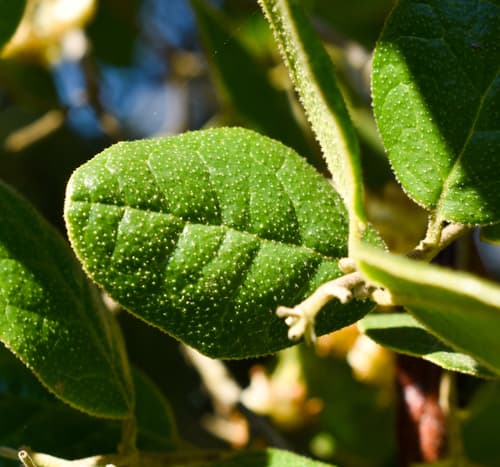
Boldo is an evergreen shrub or small tree native to Chile, characterized by its leathery, oval, and rough-textured leaves. The leaves have prominent veins and numerous small, raised glands on their surface, giving them a distinctive bumpy feel.