Blue Cohosh
Image: samk (cc0)
NameBlue Cohosh
Scientific NameCaulophyllum thalictroides
Common NamesBlue Cohosh, Papoose Root, Squaw Root, Blue Ginseng
Plant FamilyBerberidaceae
Natural HabitatNative to rich, moist deciduous woodlands and forests in eastern North America, often found in shaded areas with fertile, well-drained soil.
Parts Usedroot
Medicinal Actionsdiuretic, anti-inflammatory, nervine
Traditional UsesTraditionally used by Native Americans and early American settlers primarily for gynecological purposes, including inducing labor, regulating menstruation, and easing menstrual cramps. It was also employed as a diuretic and for conditions like rheumatism.
Active ConstituentsCaulosaponin, Caulophyllosaponin, Methylcytisine, Anagyrine, Magnoflorine
Preparation Methodsdecoction, tincture, powder
Contraindications & WarningsHighly contraindicated during pregnancy (except under expert supervision for labor induction), lactation, and in individuals with heart conditions, high blood pressure, or estrogen-sensitive cancers. Can cause uterine contractions, nausea, vomiting, and cardiac issues. Not for long-term use.
Cultivation NotesPrefers deep shade to partial shade and rich, moist, well-drained soil with a high organic matter content. Propagated by seed (requires stratification) or root division. It is a slow-growing plant.
Rarityuncommon
Description
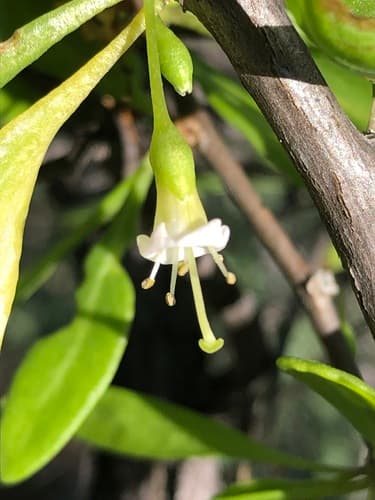
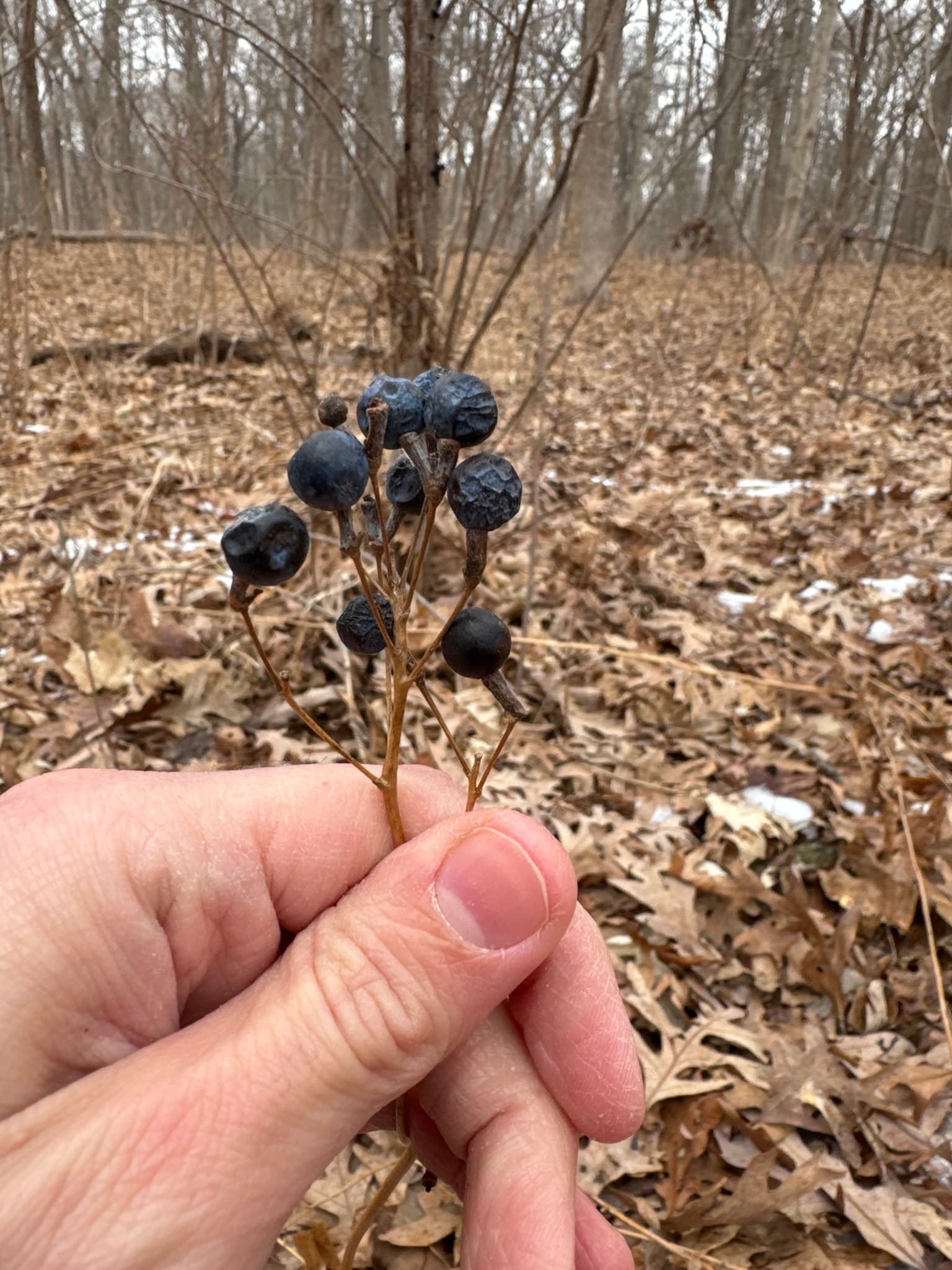
Blue cohosh is a perennial woodland herb native to eastern North America, characterized by its large, divided leaves and small, yellowish-green flowers. It produces distinctive blue, berry-like seeds (often referred to as fruits) in late summer and fall, which persist into winter.