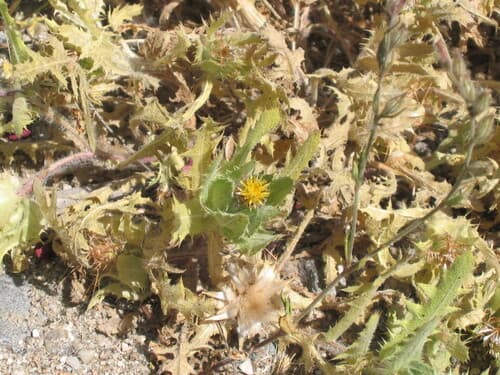
Blessed Thistle
NameBlessed Thistle
Scientific NameCnicus benedictus
Common NamesBlessed Thistle, Holy Thistle, Spotted Thistle, Cardo Santo
Plant FamilyAsteraceae
Natural HabitatNative to the Mediterranean region, it thrives in dry, disturbed soils, fields, roadsides, and waste areas. It is now naturalized in many parts of the world with temperate climates.
Parts Usedleaf,flower,whole_plant
Medicinal Actionsanti-inflammatory, antimicrobial, antioxidant, astringent, diuretic
Traditional UsesTraditionally used as a bitter tonic to stimulate digestion, improve appetite, and support liver and gallbladder function. It has also been employed to increase milk supply in nursing mothers (galactagogue) and for its mild diuretic and anti-inflammatory properties.
Active ConstituentsCnicin, Flavonoids, Tannins, Essential oil
Preparation Methodsinfusion, tincture, powder
Contraindications & WarningsShould be avoided by individuals with allergies to plants in the Asteraceae family. High doses may cause stomach irritation, nausea, and vomiting. Not recommended for pregnant women due to potential uterine stimulant effects.
Cultivation NotesPrefers full sun and well-drained soil. It is an annual plant that can be easily grown from seed, often self-seeding. Tolerant of poor soil conditions and drought.
Raritycommon
Description
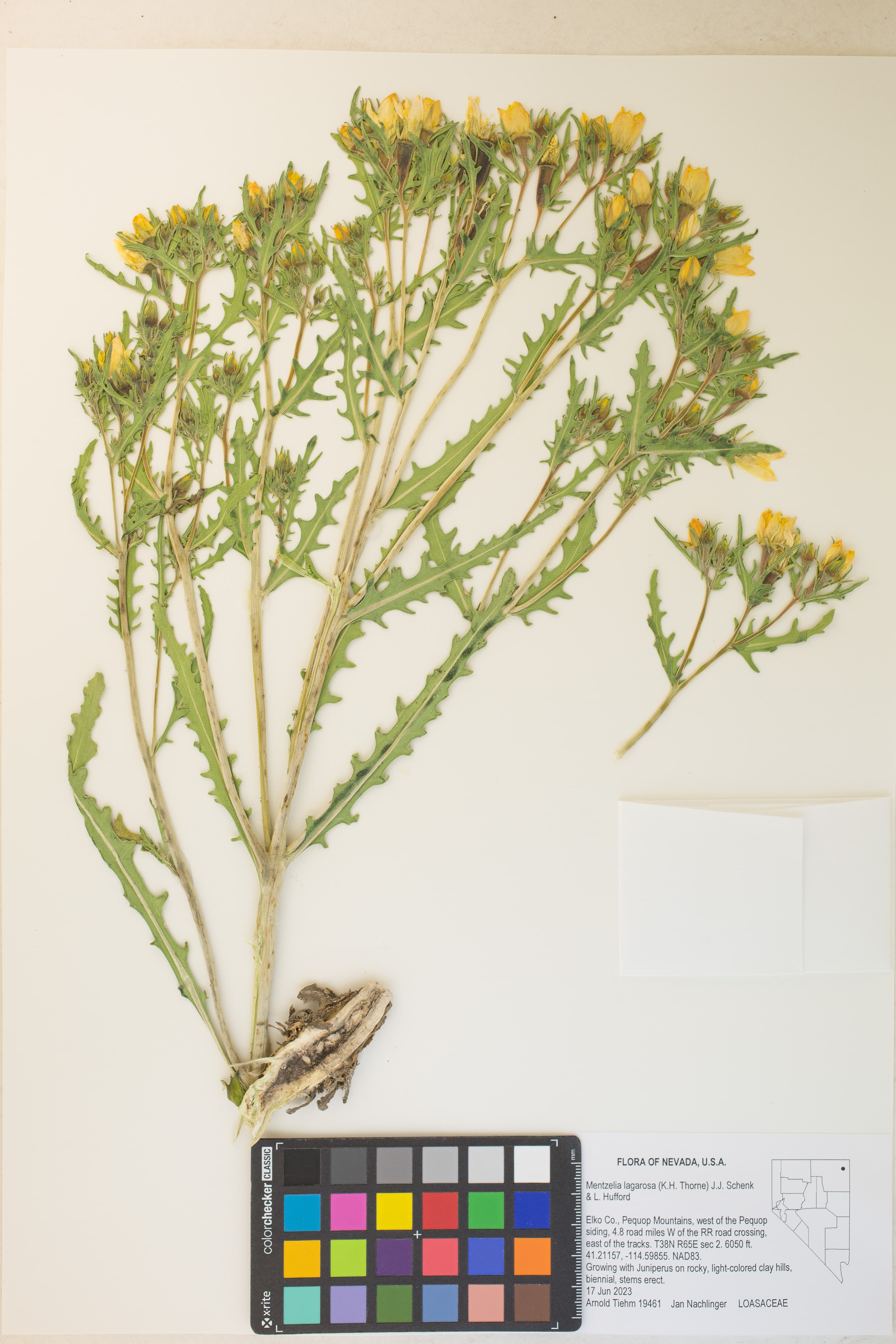
A herbaceous annual plant growing up to 2 feet tall, characterized by its deeply lobed, spiny leaves and small, yellow, thistle-like flower heads surrounded by spiny bracts. The stems are hairy and branched, often reddish at the base.