Black Beauty Cestrum
NameBlack Beauty Cestrum
Scientific NameCestrum 'Black Beauty'
Common NamesBlack Beauty Cestrum, Night-blooming Jasmine
Plant FamilySolanaceae
Natural HabitatNative to tropical and subtropical regions of the Americas, widely cultivated as an ornamental in warm climates globally.
Parts Usedleaf,flower,bark
Medicinal Actionsanalgesic, anti-inflammatory
Traditional UsesHistorically, some *Cestrum* species have been used in traditional folk medicine for external applications to relieve pain and inflammation, or internally in highly diluted forms for fever. However, due to extreme toxicity, these uses are not recommended and can be fatal.
Active Constituentssteroidal saponins, alkaloids
Preparation Methodspoultice, infusion
Contraindications & WarningsEXTREMELY TOXIC. All parts of the plant are poisonous if ingested, causing severe gastrointestinal distress, neurological symptoms, and potentially death. Avoid all internal use. Contact with skin can cause irritation. Highly dangerous for children and pets.
Cultivation NotesThrives in full sun to partial shade with well-drained soil. Requires regular watering and is frost-tender, best grown in USDA zones 9-11. Can be pruned to maintain shape and encourage flowering.
Raritycommon
Description
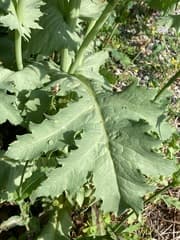
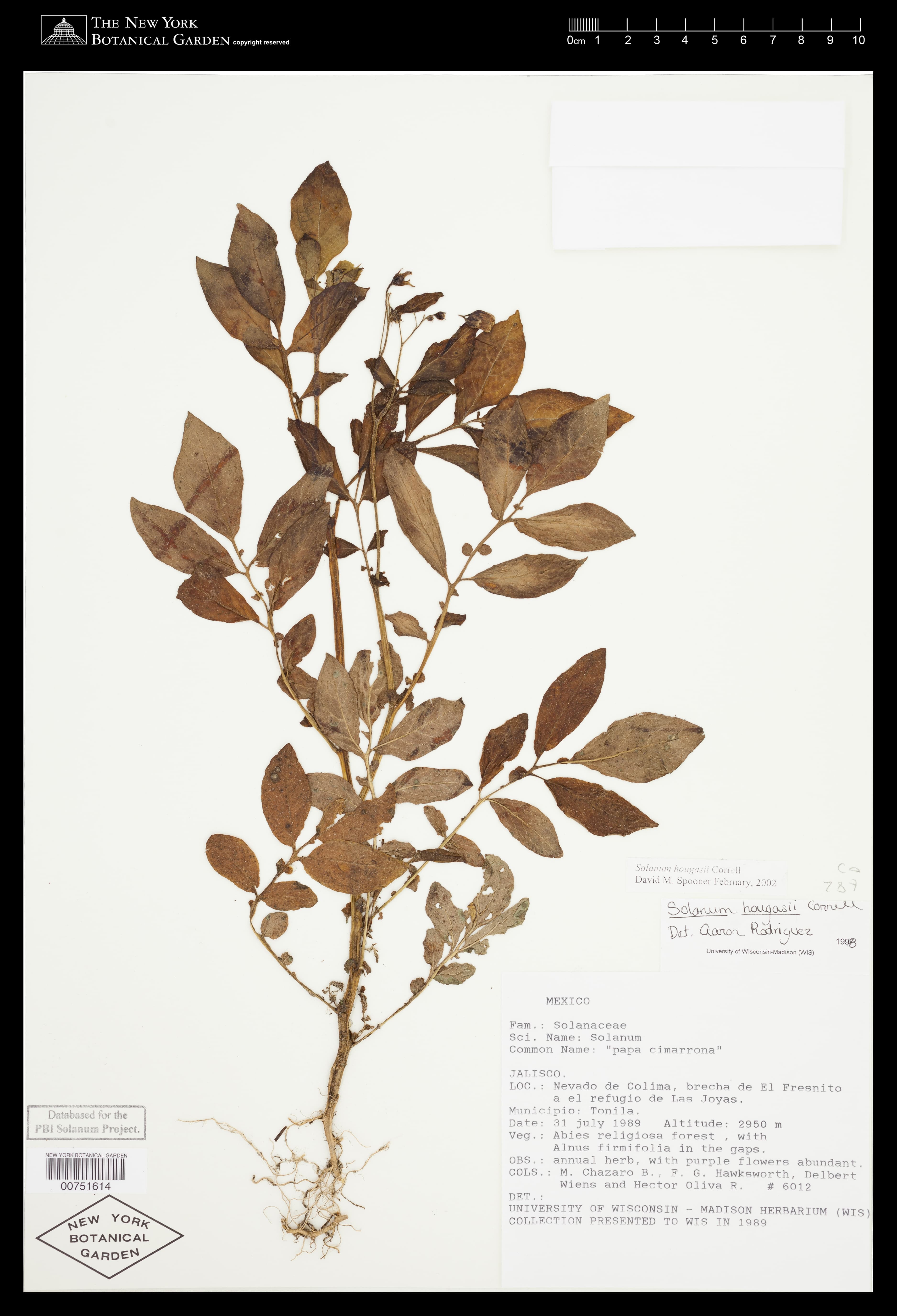
A fast-growing evergreen shrub featuring simple, alternate green leaves and clusters of tubular, pale yellow to cream flowers with dark purple-brown calyces. The flowers are intensely fragrant, especially at night, and are followed by berries.