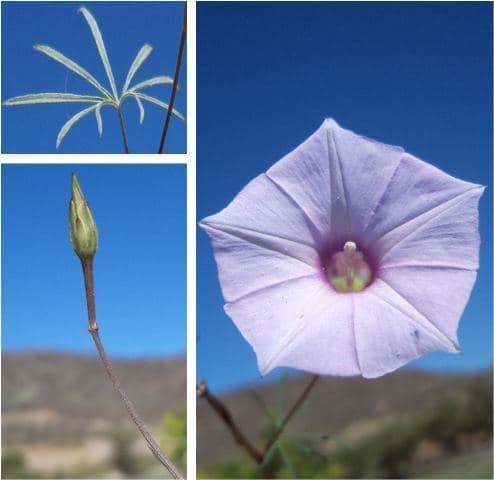
Tripleleaf Morning-Glory
NameTripleleaf Morning-Glory
Scientific NameIpomoea cairica
Common NamesTripleleaf Morning-Glory, Palm-leaf Morning Glory, Railway Creeper, Mile-a-minute Vine
Plant FamilyConvolvulaceae
Natural HabitatNative to tropical and subtropical regions of Africa and Asia, this plant is widely naturalized in warm climates worldwide. It thrives in disturbed areas, roadsides, forest edges, and coastal regions, often climbing over other vegetation.
Parts Usedleaf,root
Medicinal Actionsanti-inflammatory, antimicrobial, diuretic, antioxidant
Traditional UsesTraditionally, the leaves and roots of Ipomoea cairica have been used in some cultures as a purgative, diuretic, and for treating inflammatory conditions, wounds, and skin infections. In some folk medicine, it is applied externally for boils and internally for constipation.
Active ConstituentsFlavonoids, Phenolic compounds, Triterpenes, Alkaloids
Preparation Methodsinfusion, decoction, poultice, powder
Contraindications & WarningsDue to its purgative properties, it should be used with caution, especially by pregnant or breastfeeding women, and individuals with gastrointestinal issues. Large doses may cause severe diarrhea and abdominal discomfort. The seeds of many Ipomoea species are toxic; while I. cairica seeds are not typically used for psychoactive effects, caution is advised with seed consumption.
Cultivation NotesThis vine is easy to grow in warm climates, preferring full sun to partial shade and well-drained soil. It is drought-tolerant once established and can be propagated by seeds or cuttings. It can be invasive in some regions.
Raritycommon
Description
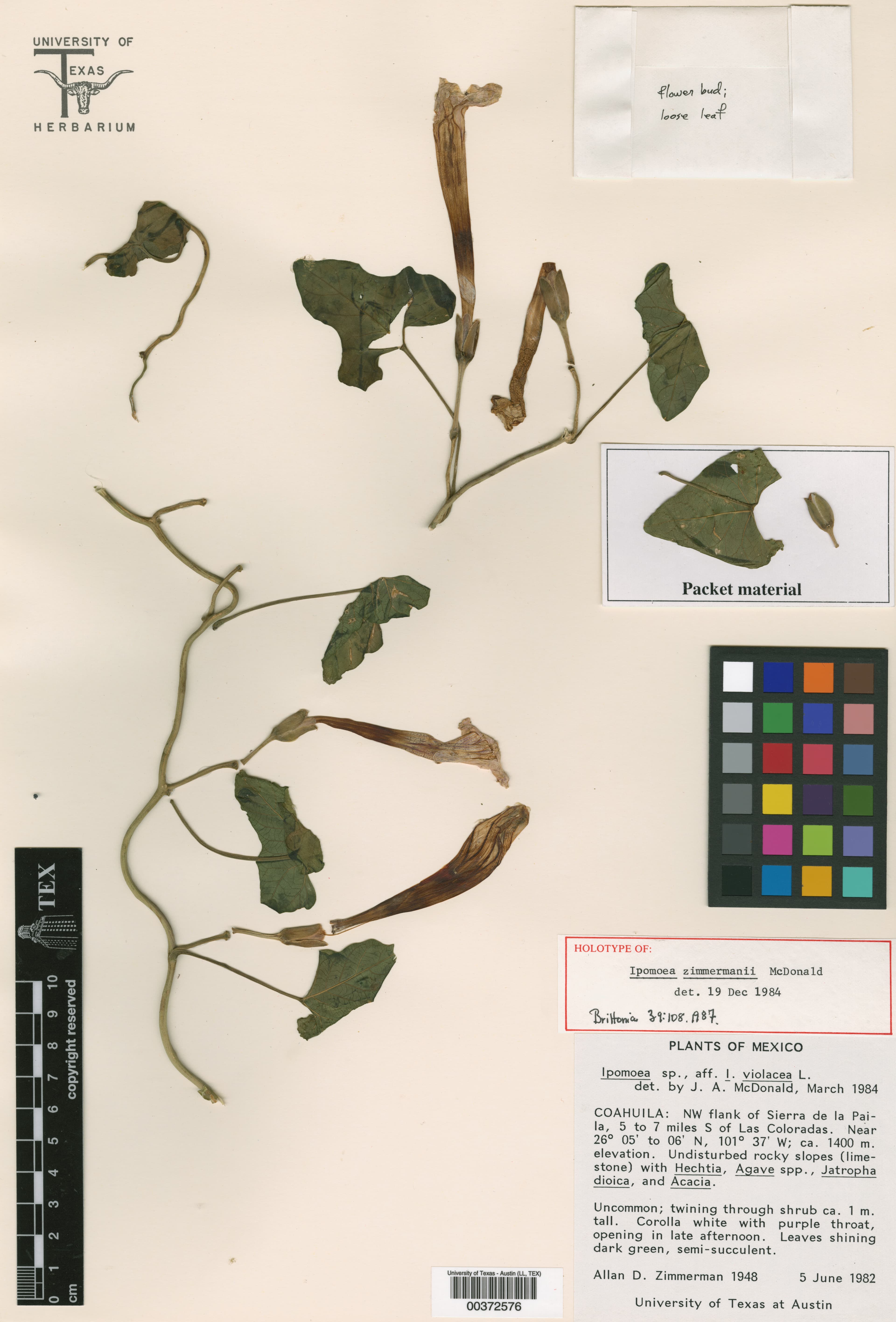
A vigorous perennial vine characterized by its deeply palmately lobed leaves, typically divided into 5-7 narrow segments. It produces showy, funnel-shaped flowers, usually lavender to pale purple with a darker throat, which bloom in the morning.