Astragalus
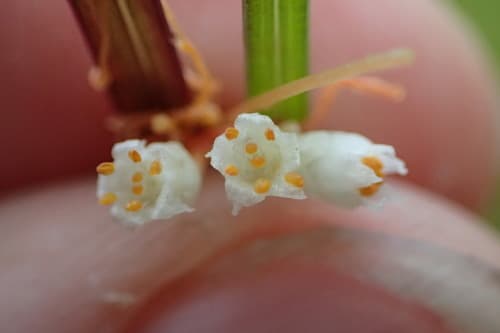
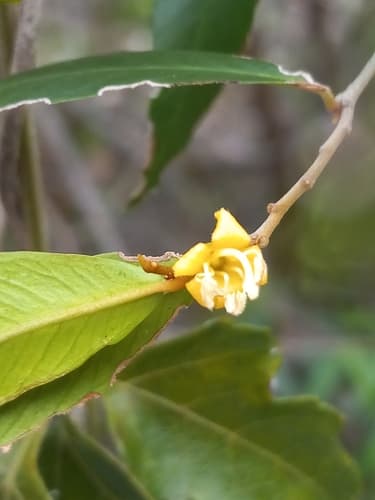
Image: daba (cc-by)
NameAstragalus
Scientific NameAstragalus propinquus
Common NamesAstragalus, Huang Qi, Milk Vetch
Plant FamilyFabaceae
Natural HabitatNative to northern and eastern China, Mongolia, and Korea, Astragalus thrives in grasslands, forest margins, and sunny, well-drained slopes.
Parts Usedroot
Medicinal Actionsadaptogen, antioxidant, anti-inflammatory, antimicrobial
Traditional UsesTraditionally, Astragalus root is a cornerstone of Traditional Chinese Medicine (TCM), primarily used to tonify Qi (vital energy), strengthen the immune system, and enhance overall vitality. It is often prescribed for chronic fatigue, general weakness, and to protect the body against various infections and stressors.
Active ConstituentsAstragalosides, Polysaccharides, Flavonoids
Preparation Methodsdecoction, tincture, powder
Contraindications & WarningsIndividuals with autoimmune diseases should use Astragalus with caution due to its immune-stimulating properties. It may interact with immunosuppressant medications and is generally not recommended during acute infections with fever.
Cultivation NotesAstragalus prefers full sun exposure and well-drained soil. It is drought-tolerant once established and can be grown from seed, though the roots require several years to mature sufficiently for medicinal harvest.
Raritycommon
Description
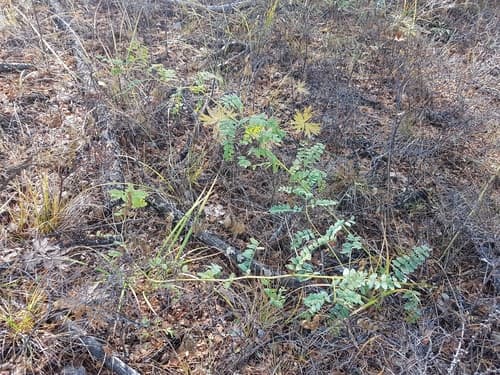
Astragalus propinquus is a herbaceous perennial plant characterized by its pinnately compound leaves and small, pea-like flowers, typically yellow or white. It develops a deep, fleshy taproot, which is the primary medicinal part.