Asian ponysfoot
NameAsian ponysfoot
Scientific NameDichondra micrantha
Common NamesAsian ponysfoot, Kidney weed, Lawn leaf, Ponyfoot
Plant FamilyConvolvulaceae
Natural HabitatNative to East Asia, it thrives in moist, shady to partially sunny areas, often found in lawns, disturbed ground, roadsides, and open woodlands. It is naturalized in many tropical and subtropical regions worldwide.
Parts Usedwhole_plant
Medicinal Actionsanti-inflammatory, diuretic, antimicrobial, antioxidant
Traditional UsesTraditionally used in Chinese medicine for treating fevers, dysentery, urinary tract infections, and as a detoxifying agent. It is also applied externally for skin conditions, wounds, and insect bites due to its anti-inflammatory and antimicrobial properties.
Active Constituentsflavonoids, phenolic acids, triterpenoids, saponins
Preparation Methodsinfusion, decoction, poultice, powder
Contraindications & WarningsGenerally considered safe, but pregnant or nursing individuals should consult a healthcare professional. Large doses may cause gastrointestinal upset.
Cultivation NotesThis plant prefers moist, well-drained soil and partial shade, though it can tolerate full sun in cooler climates. It spreads rapidly via stolons and can be used as a groundcover, but may become invasive in some garden settings.
Raritycommon
Description
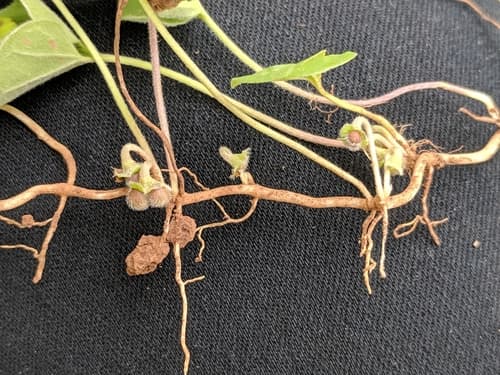
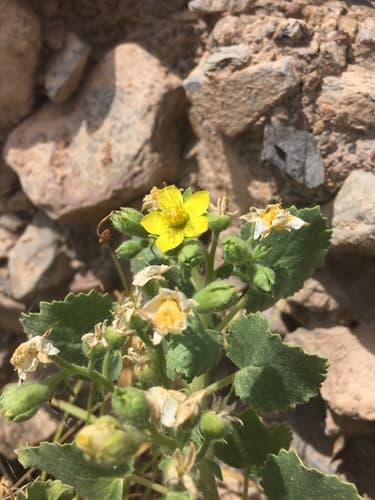
Dichondra micrantha is a low-growing, creeping perennial herb characterized by small, kidney-shaped to round leaves and tiny, inconspicuous greenish-white flowers, as seen in the image. It forms dense mats, often used as a groundcover or found as a lawn weed.