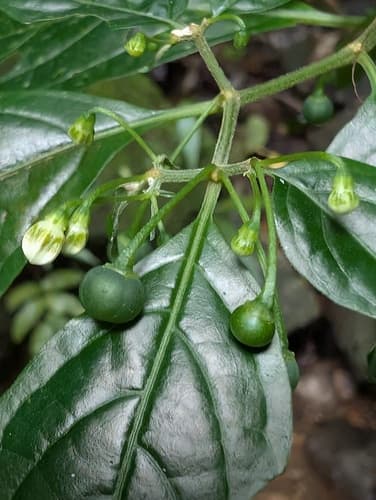
Arrow Bindweed
NameArrow Bindweed
Scientific NameCalystegia sagittata
Common NamesArrow Bindweed, Arrowleaf Bindweed
Plant FamilyConvolvulaceae
Natural HabitatCommonly found in disturbed areas such as fields, roadsides, gardens, and waste ground. It thrives in a wide range of soil types and prefers full sun, often naturalizing aggressively outside its native range.
Parts Usedroot,whole_plant
Medicinal Actionsdiuretic, anti-inflammatory
Traditional UsesHistorically, various bindweed species, including those with arrow-shaped leaves, have been used in folk medicine primarily as strong purgatives and laxatives to relieve severe constipation. The root was the main part used, though its application was often cautioned due to its potent and potentially toxic effects. Some traditional practices also attributed mild diuretic properties to the plant.
Active Constituentsresin glycosides, calystegines, tannins
Preparation Methodsdecoction, powder, tincture
Contraindications & WarningsAll parts of the plant, especially the root, are considered toxic and can cause severe gastrointestinal upset, vomiting, and diarrhea. It is contraindicated in pregnancy, breastfeeding, children, and individuals with gastrointestinal inflammation, obstruction, or other digestive disorders. May interact with medications affecting gut motility.
Cultivation NotesArrow Bindweed is generally considered a noxious weed due to its aggressive, sprawling growth and difficulty to eradicate. It thrives in a wide range of soils and conditions, preferring full sun, and spreads rapidly via seeds and an extensive root system. Cultivation is typically discouraged.
Raritycommon
Description
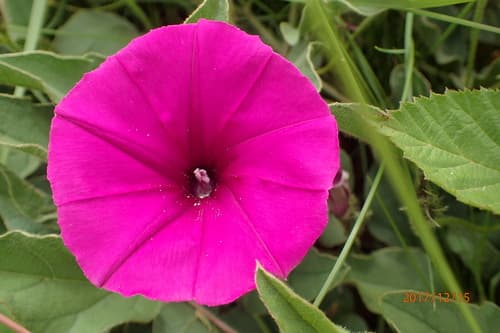
Calystegia sagittata is a perennial, herbaceous climbing or trailing vine characterized by its distinctive arrow-shaped (sagittate) leaves and delicate, funnel-shaped flowers, typically white to pale pink. It rapidly spreads via rhizomes and seeds, often forming dense ground cover or twining around other vegetation.