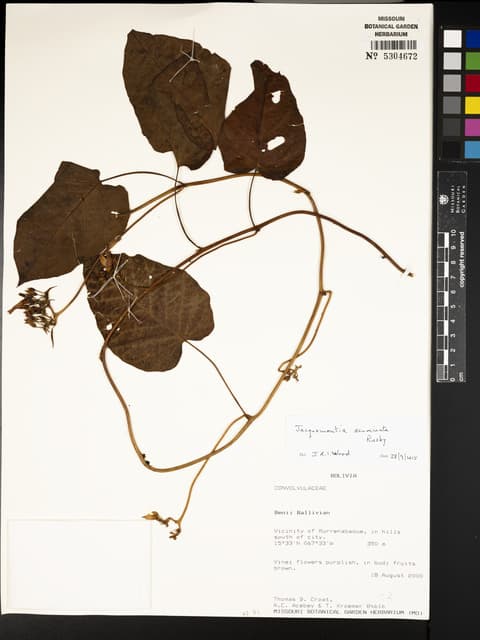
Appalachian Dodder
NameAppalachian Dodder
Scientific NameCuscuta gronovii
Common NamesAppalachian Dodder, Common Dodder, Gronovius' Dodder, Love Vine, Strangleweed
Plant FamilyConvolvulaceae
Natural HabitatThis obligate parasite thrives in moist, open habitats such as meadows, wetlands, stream banks, and disturbed areas, attaching to a wide variety of herbaceous and woody host plants. It is widespread across eastern and central North America, including the Appalachian region.
Parts Usedwhole_plant,seed
Medicinal Actionsadaptogen, anti-inflammatory, antioxidant, diuretic
Traditional UsesTraditionally, various Dodder species, particularly in Asian medicine, have been used as a kidney and liver tonic, to improve vision, strengthen bones, and treat conditions like impotence and frequent urination. Some indigenous North American tribes may have used local Dodder species for diuretic purposes or skin ailments.
Active ConstituentsFlavonoids, Lignans, Polysaccharides, Alkaloids
Preparation Methodsinfusion, decoction, tincture, powder
Contraindications & WarningsDue to insufficient research, dodder is generally contraindicated during pregnancy and lactation. Caution is advised for individuals with hormone-sensitive conditions due to potential phytoestrogenic effects, especially from the seeds, and for those on blood-thinning medications.
Cultivation NotesDodder is an obligate parasitic plant and cannot be cultivated independently; it requires a living host plant for survival and growth. It spreads readily by seeds and through its haustoria, making it difficult to control in agricultural settings.
Raritycommon
Description
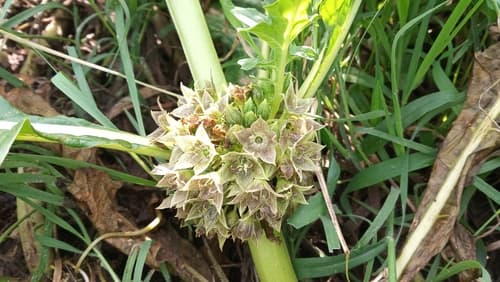
Cuscuta gronovii, commonly known as Appalachian Dodder, is a parasitic annual vine characterized by its slender, yellowish-orange, leafless stems that twine tightly around host plants. It produces dense clusters of small, white to cream-colored, bell-shaped flowers with five petals.