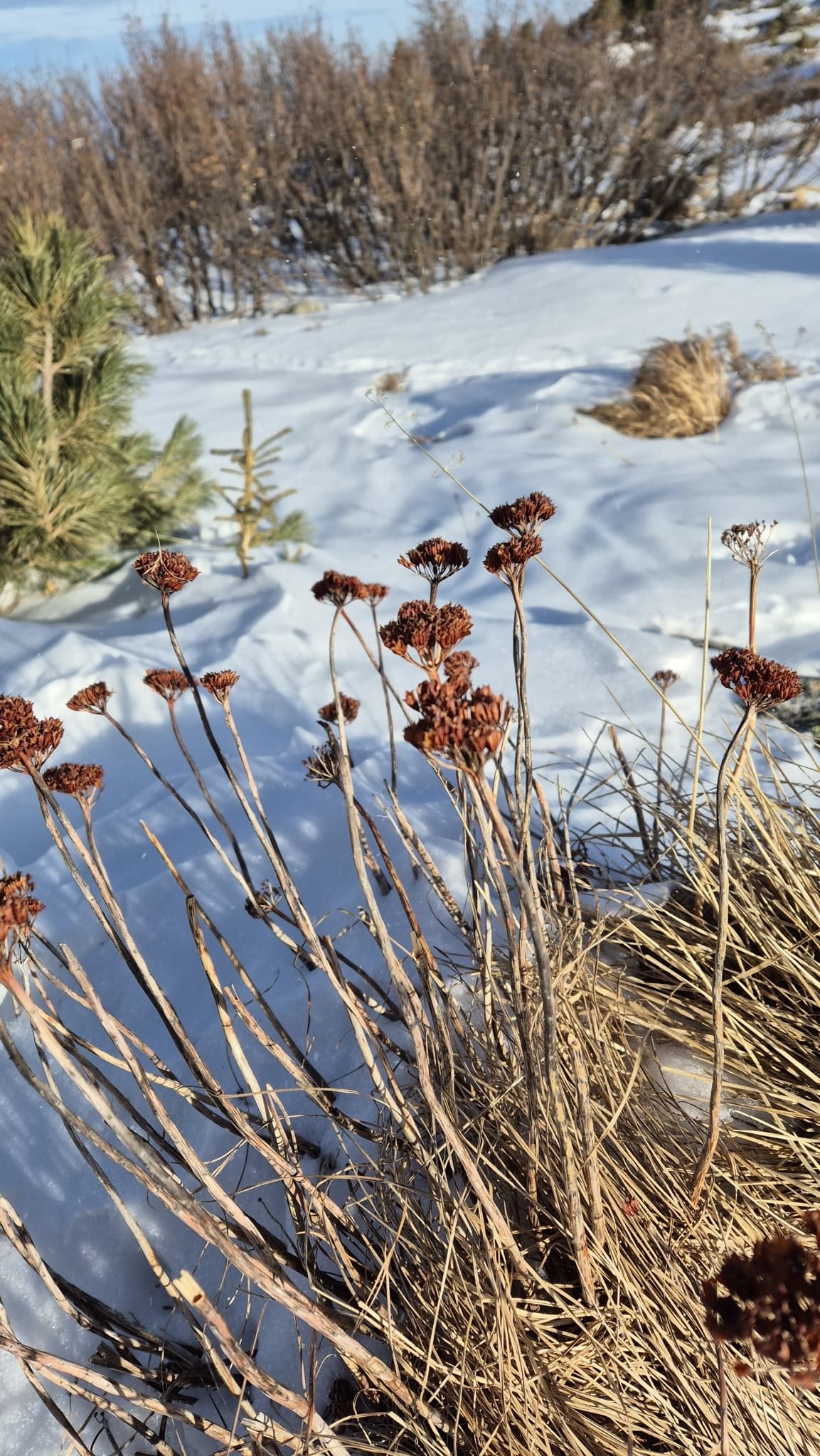
Rhodiola
Image: kalina_hable (cc-by-nc)
NameRhodiola
Scientific NameRhodiola rosea
Common NamesGolden Root, Rose Root, Arctic Root
Plant FamilyCrassulaceae
Natural HabitatNative to cold, high-altitude regions of Europe, Asia, and North America, typically found growing on rocky slopes, cliffs, and tundra. It thrives in harsh, cold, and dry conditions.
Parts Usedroot
Medicinal Actionsadaptogen, antioxidant, nervine
Traditional UsesTraditionally used to enhance physical and mental performance, reduce fatigue, and help the body adapt to various stressors. It has been employed in folk medicine for centuries to combat altitude sickness, depression, anxiety, and to improve endurance.
Active ConstituentsSalidroside, Rosavin, Rosin, Rosarin, Tyrosol
Preparation Methodstincture, powder, infusion
Contraindications & WarningsMay interact with certain medications, including antidepressants and stimulants. Not recommended for individuals with bipolar disorder or those prone to mania. High doses can potentially cause overstimulation or insomnia.
Cultivation NotesPrefers full sun to partial shade and well-drained, rocky or sandy soil. It is extremely cold-hardy and drought-tolerant once established. Propagation can be done by seed or by dividing the rhizome.
Raritycommon
Description
Rhodiola rosea is a hardy perennial succulent plant characterized by its thick rhizome, fleshy leaves, and yellow flowers. The plant in the image shows its dried stalks and seed heads, indicative of its dormant winter state in a cold environment. Its root system is known for a distinctive rose-like scent when fresh.