Pau d'Arco
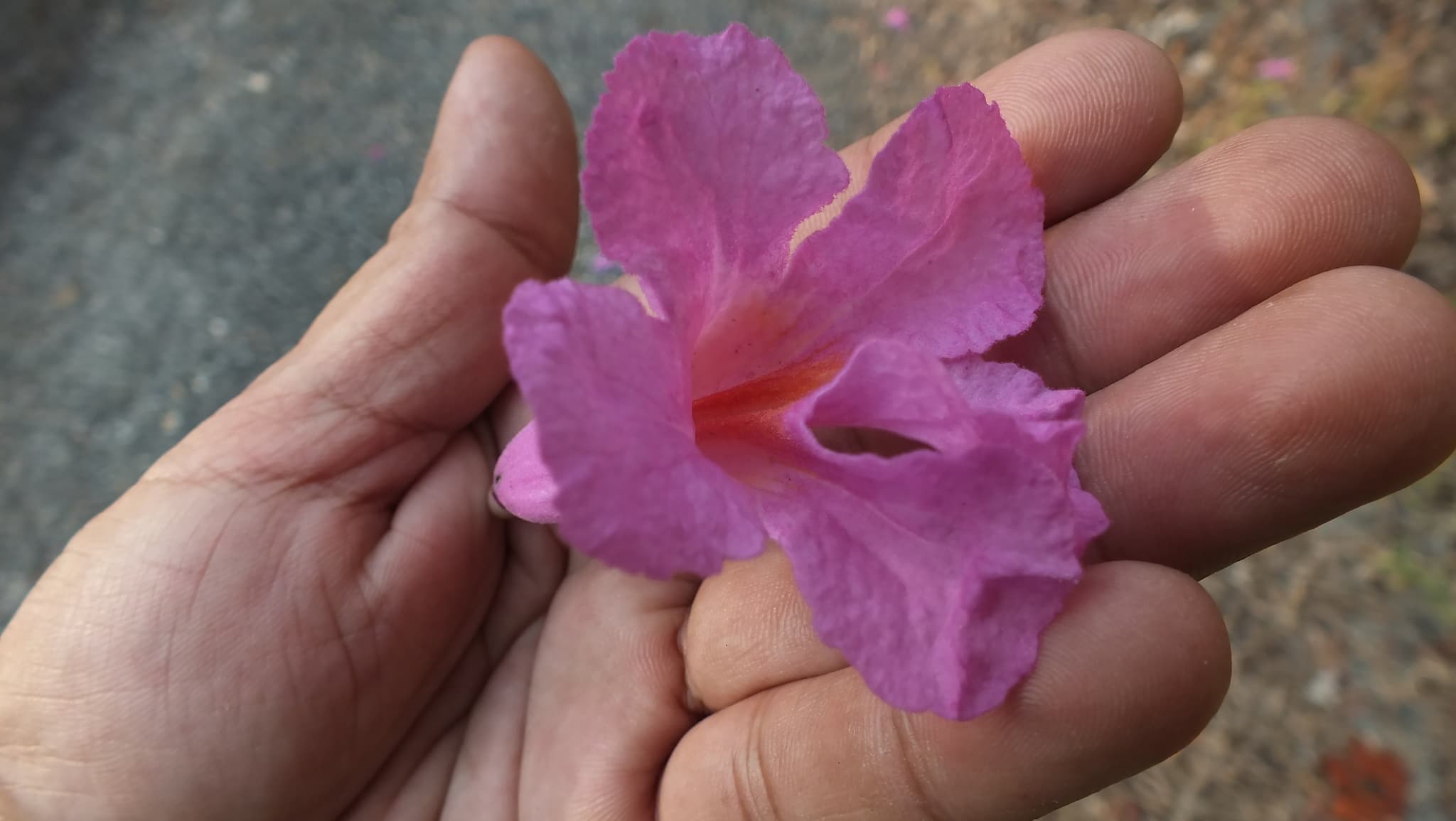
Image: La Rata Mutante (cc-by-nc)
NamePau d'Arco
Scientific NameHandroanthus impetiginosum
Common NamesPau d'Arco, Ipe Roxo, Lapacho, Taheebo, Pink Trumpet Tree
Plant FamilyBignoniaceae
Natural HabitatNative to tropical and subtropical dry forests, savannas, and gallery forests across Central and South America, from Mexico to Argentina. It thrives in well-drained soils and warm climates.
Parts Usedbark
Medicinal Actionsanalgesic, anti-inflammatory, antimicrobial, antioxidant, astringent, adaptogen
Traditional UsesPau d'Arco has a long history of traditional use in South American herbal medicine, primarily for its anti-infective and anti-inflammatory properties. It has been used to treat a wide range of conditions including bacterial, fungal, viral, and parasitic infections, fevers, arthritis, pain, and various skin conditions. It is also traditionally used as a general tonic and immune system support.
Active ConstituentsLapachol, Beta-lapachone, Naphthoquinones, Anthraquinones, Flavonoids
Preparation Methodsdecoction, tincture, powder
Contraindications & WarningsMay interact with anticoagulant medications due to potential blood-thinning effects. High doses can cause nausea, vomiting, and diarrhea. Not recommended for pregnant or breastfeeding women or individuals undergoing chemotherapy without medical supervision.
Cultivation NotesPrefers full sun and well-drained soil. It is drought-tolerant once established and can be grown in USDA hardiness zones 9-11. Propagated primarily by seed, it can grow into a large tree requiring ample space.
Raritycommon
Description
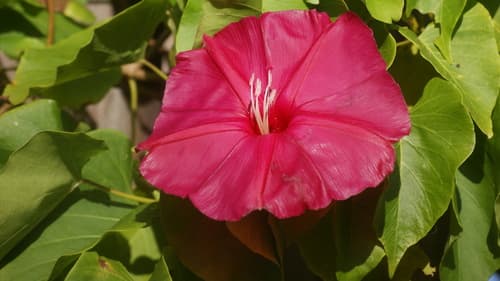
Handroanthus impetiginosum is a large, deciduous tree native to tropical and subtropical regions of Central and South America. It is renowned for its spectacular display of vibrant pink to purple trumpet-shaped flowers that bloom profusely on bare branches before the leaves emerge. The tree yields a very hard, durable timber and a medicinally valued inner bark.