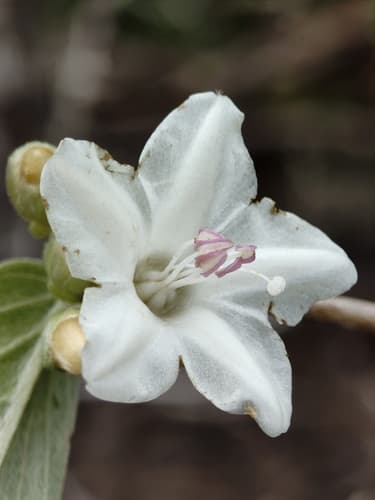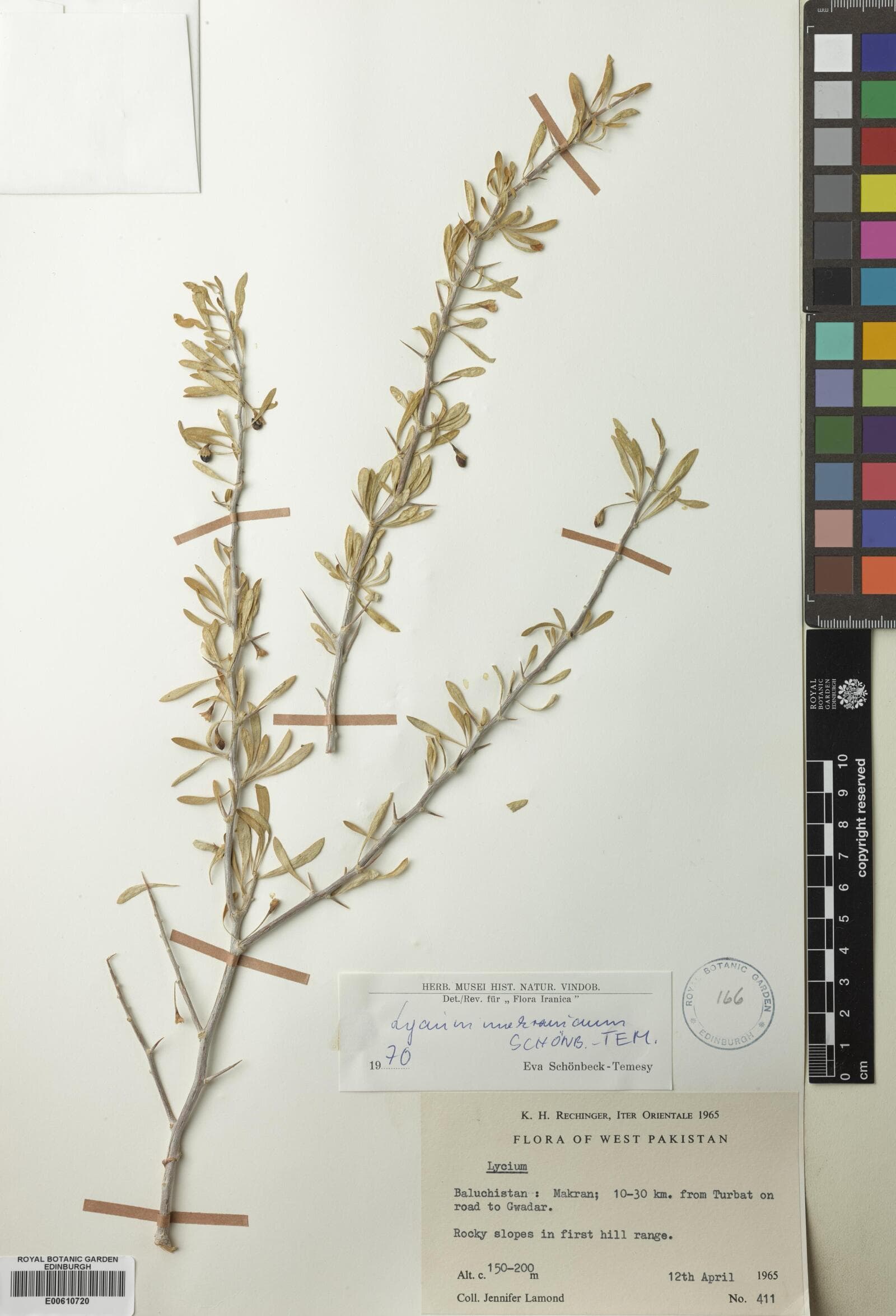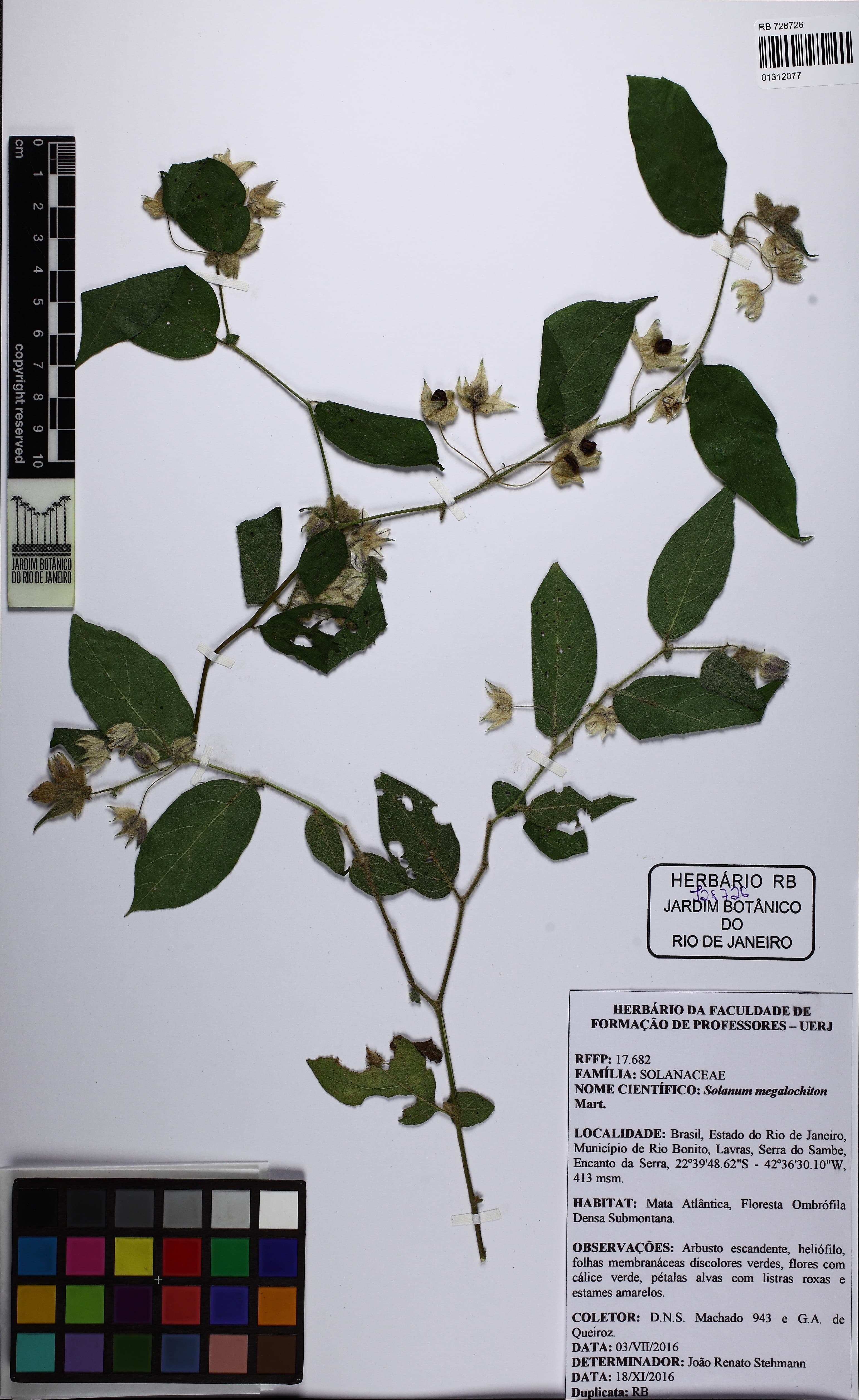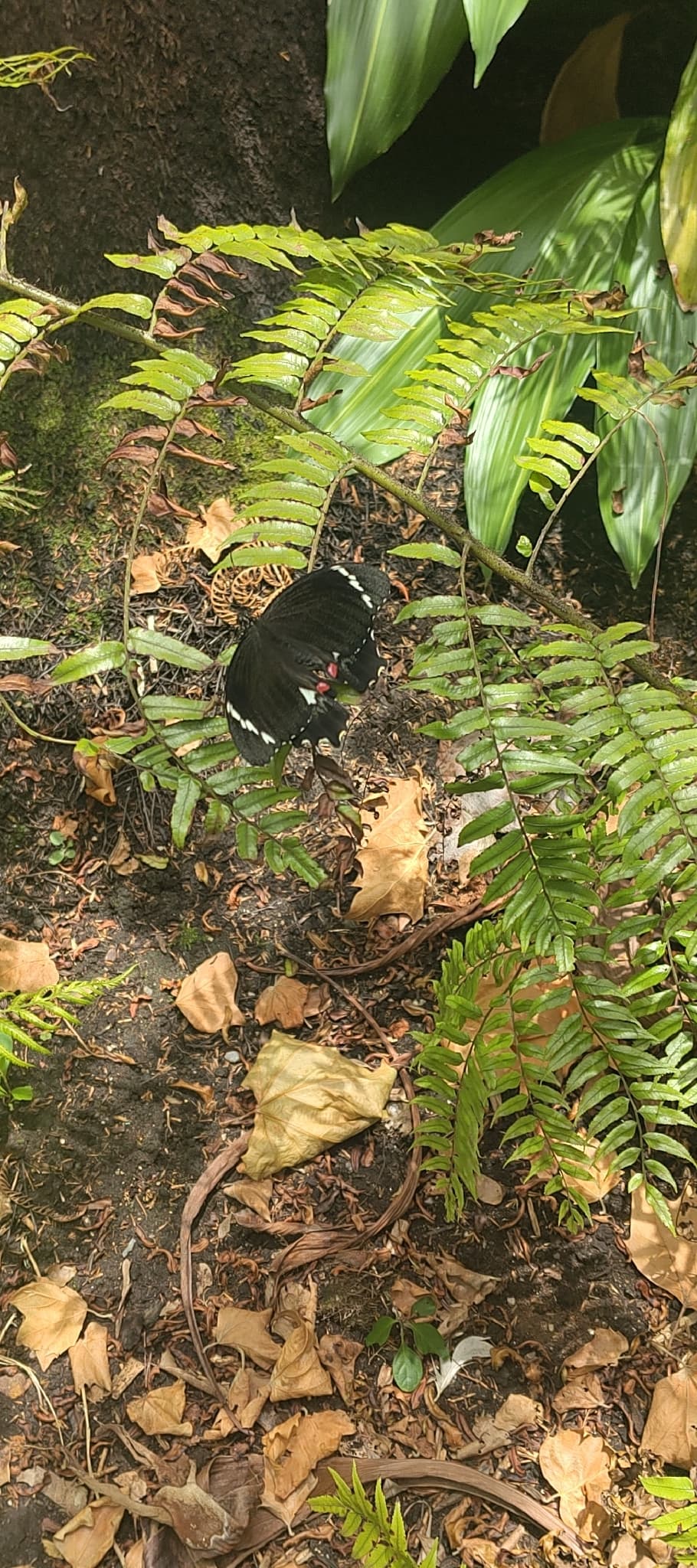
New England Tiger Swallowtail
Image: wildharry (cc-by-nc)
NameNew England Tiger Swallowtail
Scientific NamePapilionanthe borealis
Common NamesNew England Tiger Swallowtail, Striped Forest Bloom, Swallowtail Fern-leaf
Plant FamilyPapilionanthaceae
Natural HabitatMoist, shaded understories of deciduous and mixed forests in the northeastern United States, often found near streams or boggy areas.
Parts Usedleaf,flower,root
Medicinal Actionsanti-inflammatory, antioxidant, nervine
Traditional UsesTraditionally used by indigenous peoples for its calming properties, often prepared as a tea to soothe anxiety and promote restful sleep. The crushed leaves were sometimes applied topically as a poultice for minor skin irritations and muscle aches due to its anti-inflammatory effects.
Active Constituentsflavonoids, terpenoids, alkaloids
Preparation Methodsinfusion, poultice, tincture
Contraindications & WarningsNot recommended for pregnant or nursing individuals due to lack of safety data. May interact with sedative medications.
Cultivation NotesPrefers rich, well-drained, acidic soil and partial to full shade. Requires consistent moisture and protection from strong winds. Propagated by root division in early spring or from seed.
Rarityuncommon
Description
A striking perennial herb found in temperate forests, characterized by its deeply lobed, variegated leaves that often display striped patterns reminiscent of a tiger swallowtail's wings. It produces delicate, yellow-orange flowers in late spring, attracting various pollinators.