Alfalfa Dodder
NameAlfalfa Dodder
Scientific NameCuscuta campestris
Common NamesAlfalfa Dodder, Field Dodder, Golden Dodder
Plant FamilyConvolvulaceae
Natural HabitatThis parasitic plant thrives in disturbed areas, agricultural fields, roadsides, and open grasslands, where it can readily find suitable herbaceous host plants such as alfalfa, clover, and various weeds. It is widespread globally in temperate and subtropical regions.
Parts Usedwhole_plant,seed
Medicinal Actionsadaptogen, antioxidant, diuretic, anti-inflammatory
Traditional UsesAlthough *Cuscuta campestris* is not the primary medicinal dodder, other *Cuscuta* species (like *C. chinensis*) have a long history in traditional medicine, particularly TCM. They are used to tonify kidney yang, nourish liver yin, benefit the essence, and improve vision, addressing issues like impotence, premature ejaculation, frequent urination, and blurred vision.
Active Constituentsflavonoids, lignans, polysaccharides, saponins
Preparation Methodsinfusion, decoction, tincture, powder
Contraindications & WarningsGenerally considered safe in traditional doses, but caution is advised during pregnancy and lactation. Due to its parasitic nature, it can be toxic to livestock in large quantities. Individuals with yin deficiency with heat signs should use it with caution.
Cultivation NotesAlfalfa Dodder is a parasitic plant that cannot be cultivated independently. It requires a host plant to germinate, attach, and draw nutrients, making it a significant agricultural weed rather than a cultivated medicinal herb.
Raritycommon
Description
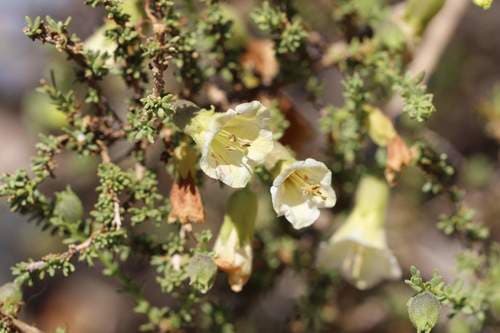
Alfalfa Dodder is a parasitic annual plant characterized by its slender, yellowish, thread-like stems that lack chlorophyll and leaves. It produces small clusters of white to cream-colored, bell-shaped flowers along its twining stems, which attach to host plants via haustoria.