Alecost
NameAlecost
Scientific NameTanacetum balsamita
Common NamesCostmary, Bible Leaf, Mint Geranium, Balsam Herb, Alecost
Plant FamilyAsteraceae
Natural HabitatNative to Eurasia, Alecost thrives in temperate climates. It is commonly found in meadows, along roadsides, and in cultivated gardens, preferring full sun to partial shade and well-drained soil.
Parts Usedleaf,flower
Medicinal Actionsanti-inflammatory, antimicrobial, astringent, carminative
Traditional UsesTraditionally, Alecost leaves were used to aid digestion, alleviate colds, fevers, and menstrual discomfort. Its aromatic leaves were also historically used as a strewing herb and to flavor ale, and applied externally as a poultice for skin irritations and insect bites.
Active Constituentscarvone, thujone, camphor, flavonoids, sesquiterpene lactones
Preparation Methodsinfusion, tincture, poultice
Contraindications & WarningsDue to the presence of thujone, Alecost should be used with caution and avoided in large doses, especially during pregnancy and lactation. Individuals with allergies to plants in the Asteraceae family (like ragweed) may experience allergic reactions.
Cultivation NotesAlecost is an easy-to-grow perennial that prefers full sun to partial shade and well-drained soil. It can spread aggressively via rhizomes, so it's best planted in a contained area or where its spread is desired. Propagation is typically by division or seed.
Raritycommon
Description
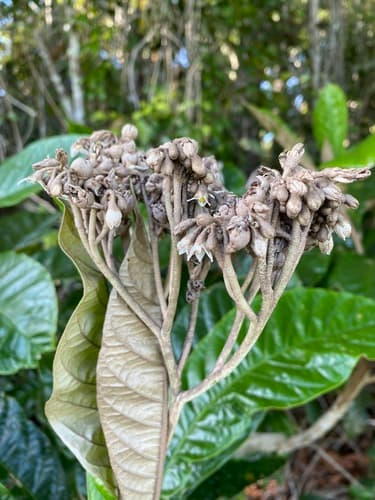
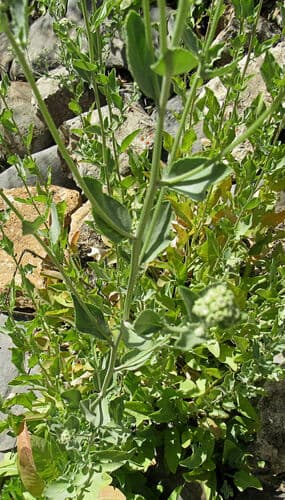
Alecost is a perennial herbaceous plant characterized by its aromatic, oblong-ovate leaves, which are often toothed and can reach up to 10 inches in length. It produces small, button-like yellow flower heads in clusters atop tall, erect stems, typically growing 2-3 feet tall.