Argyreia philippinensis
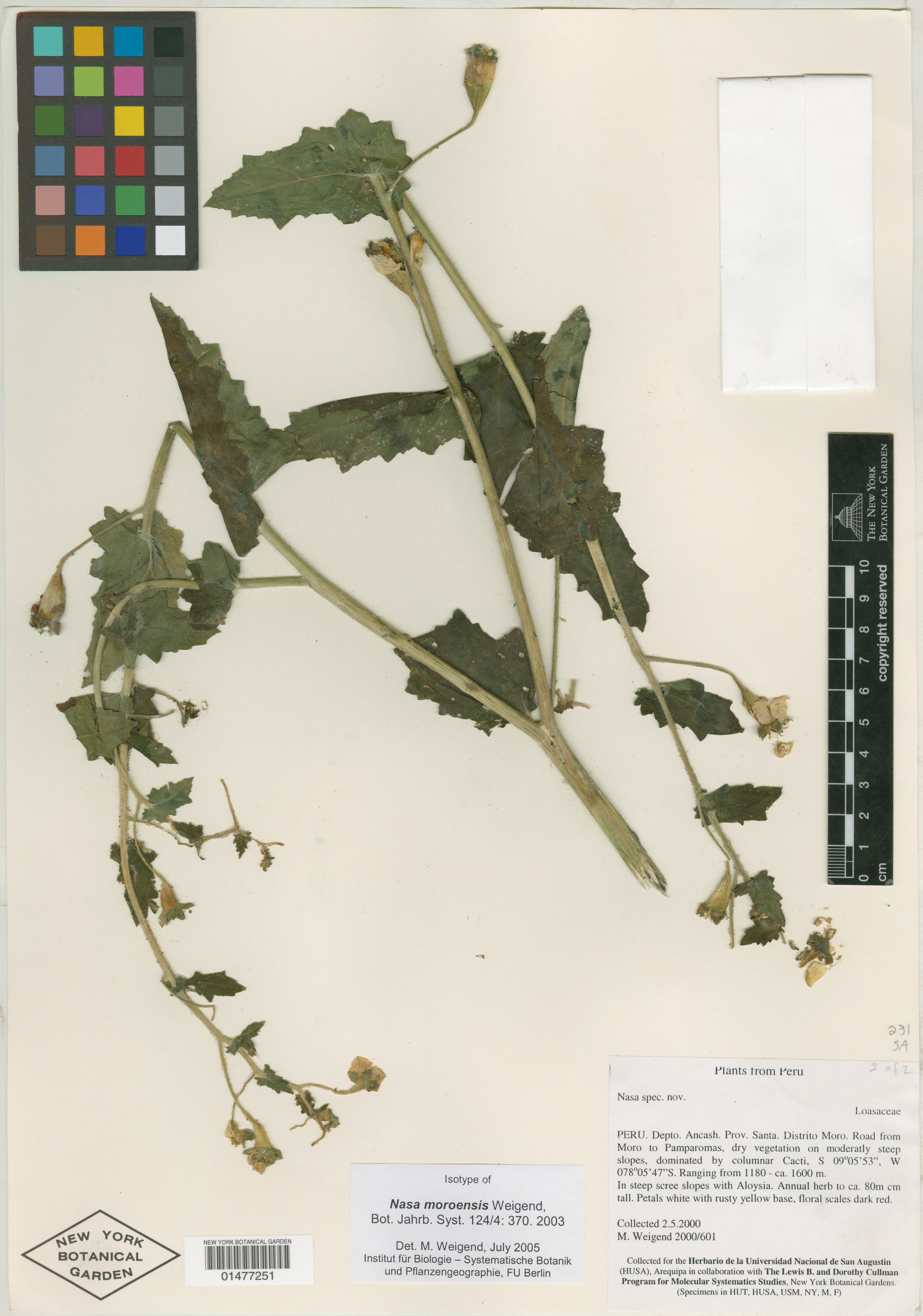
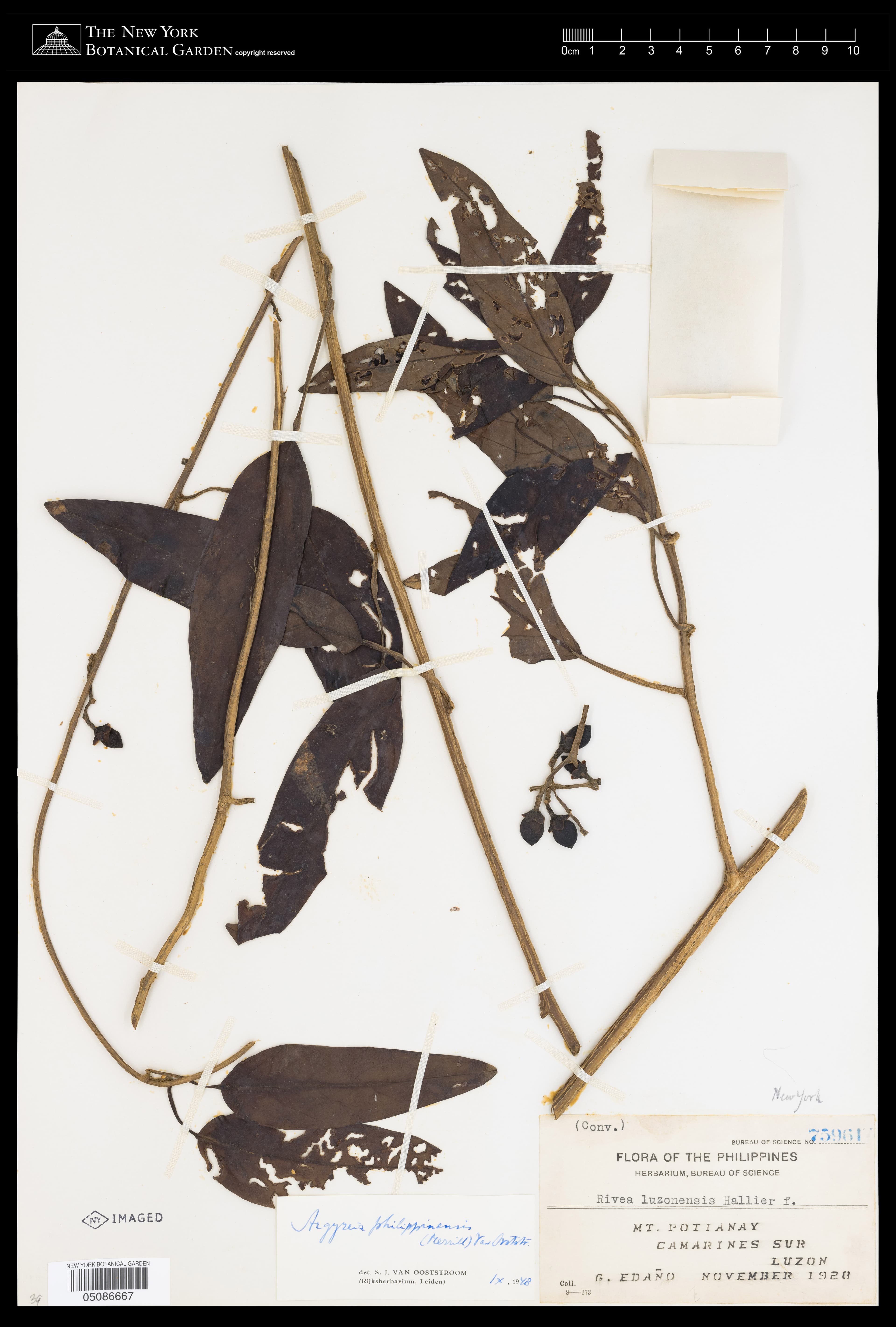
Image: The New York Botanical Garden (cc-by)
NameArgyreia philippinensis
Scientific NameArgyreia philippinensis (Merr.) Ooststr.
Common NamesPhilippine Argyreia
Plant FamilyConvolvulaceae
Natural HabitatNative to the Philippines, found in tropical forests and mountainous regions, such as Mt. Potianay in Camarines Sur, Luzon.
Parts Usedleaf,seed,root
Medicinal Actionsanalgesic, anti-inflammatory, nervine, sedative
Traditional UsesWhile specific traditional uses for Argyreia philippinensis are not widely documented, other species in the genus Argyreia are traditionally used for their analgesic and anti-inflammatory properties, as well as for wound healing. Seeds of some species are known for their psychoactive effects, used in spiritual or ceremonial contexts.
Active Constituentsergoline alkaloids, flavonoids, triterpenes
Preparation Methodsinfusion, decoction, powder, tincture
Contraindications & WarningsDue to the potential presence of ergoline alkaloids, caution is advised. Not recommended for pregnant or nursing women, children, or individuals with liver conditions, heart conditions, or psychiatric disorders. May interact with central nervous system depressants or stimulants.
Cultivation NotesThrives in warm, humid tropical climates with well-drained soil. Requires support for its climbing habit and prefers full sun to partial shade.
Rarityuncommon
Description
A woody climbing vine characterized by broad, often ovate to elliptic leaves and small, dark, globose fruits. It typically grows in tropical and subtropical regions, often found scrambling over other vegetation.