Alangium ridleyi
NameAlangium ridleyi
Scientific NameAlangium ridleyi
Common NamesRidley's Alangium
Plant FamilyCornaceae
Natural HabitatNative to tropical and subtropical lowland and hill forests of Southeast Asia, including Malaysia, Singapore, and parts of Indonesia.
Parts Usedbark,root,leaf,fruit
Medicinal Actionsanti-inflammatory, antimicrobial, antioxidant, analgesic
Traditional UsesTraditionally, species within the Alangium genus have been used in Southeast Asian folk medicine for various ailments, including fever, skin conditions, rheumatism, and as an antidote for snake bites. The bark and roots are often employed for their anti-inflammatory and analgesic properties.
Active ConstituentsAlkaloids (e.g., isoquinoline alkaloids), Triterpenoids, Flavonoids
Preparation Methodsdecoction, powder, poultice
Contraindications & WarningsDue to the presence of potent alkaloids, internal use should be approached with caution. Specific contraindications for Alangium ridleyi are not well-documented, but general warnings for alkaloid-rich plants include pregnancy, lactation, and interactions with CNS depressants or other medications.
Cultivation NotesPrefers moist, well-drained tropical soil and partial shade to full sun. Requires a warm, humid climate and is typically propagated by seed.
Rarityuncommon
Description
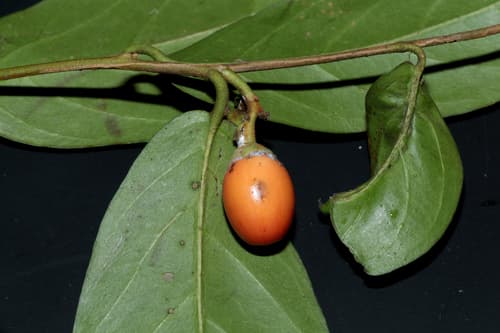
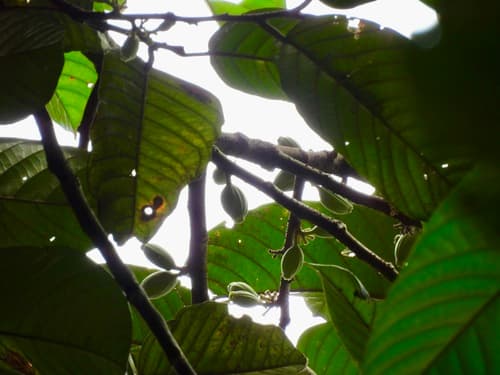
Alangium ridleyi is a medium-sized tree characterized by its simple, alternate, ovate to elliptic leaves with prominent venation. It produces small, ovoid, developing fruits clustered along its branches, as seen in the image.