African Boxthorn
NameAfrican Boxthorn
Scientific NameLycium ferocissimum
Common NamesAfrican Boxthorn, Boxthorn, Dune Boxthorn
Plant FamilySolanaceae
Natural HabitatNative to coastal areas, dunes, and riverbanks in southern Africa. It has become a widespread invasive weed in temperate regions globally, thriving in disturbed sites, pastures, and coastal environments.
Parts Usedfruit,leaf
Medicinal Actionsantioxidant
Traditional UsesThe ripe berries are edible and have been consumed for their nutritional value. In some traditional African medicine, *Lycium* species have been used for general well-being, fevers, and as a mild purgative, though specific documentation for *L. ferocissimum* is limited compared to other *Lycium* species.
Active ConstituentsCarotenoids, Polysaccharides, Flavonoids, Vitamin C
Preparation Methodsinfusion, powder
Contraindications & WarningsThe plant is very thorny. While ripe berries are generally considered edible, unripe berries or excessive consumption may cause mild gastrointestinal upset due to their purgative properties. Caution is advised, especially for pregnant women or those with pre-existing conditions.
Cultivation NotesExtremely hardy and drought-tolerant, it can grow in a wide range of soil types, including sandy and saline conditions. It is often used as a thorny hedge but is considered a serious environmental weed in many parts of the world due to its invasiveness.
Raritycommon
Description
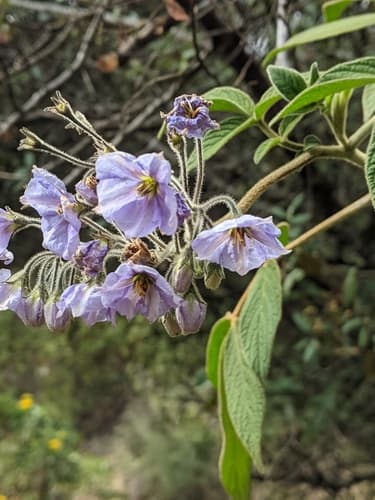
A robust, thorny, evergreen shrub native to southern Africa, growing up to 5 meters tall. It features small, leathery, oval leaves and produces small, white to pale purple, star-shaped flowers, followed by orange-red berries.