Stevia
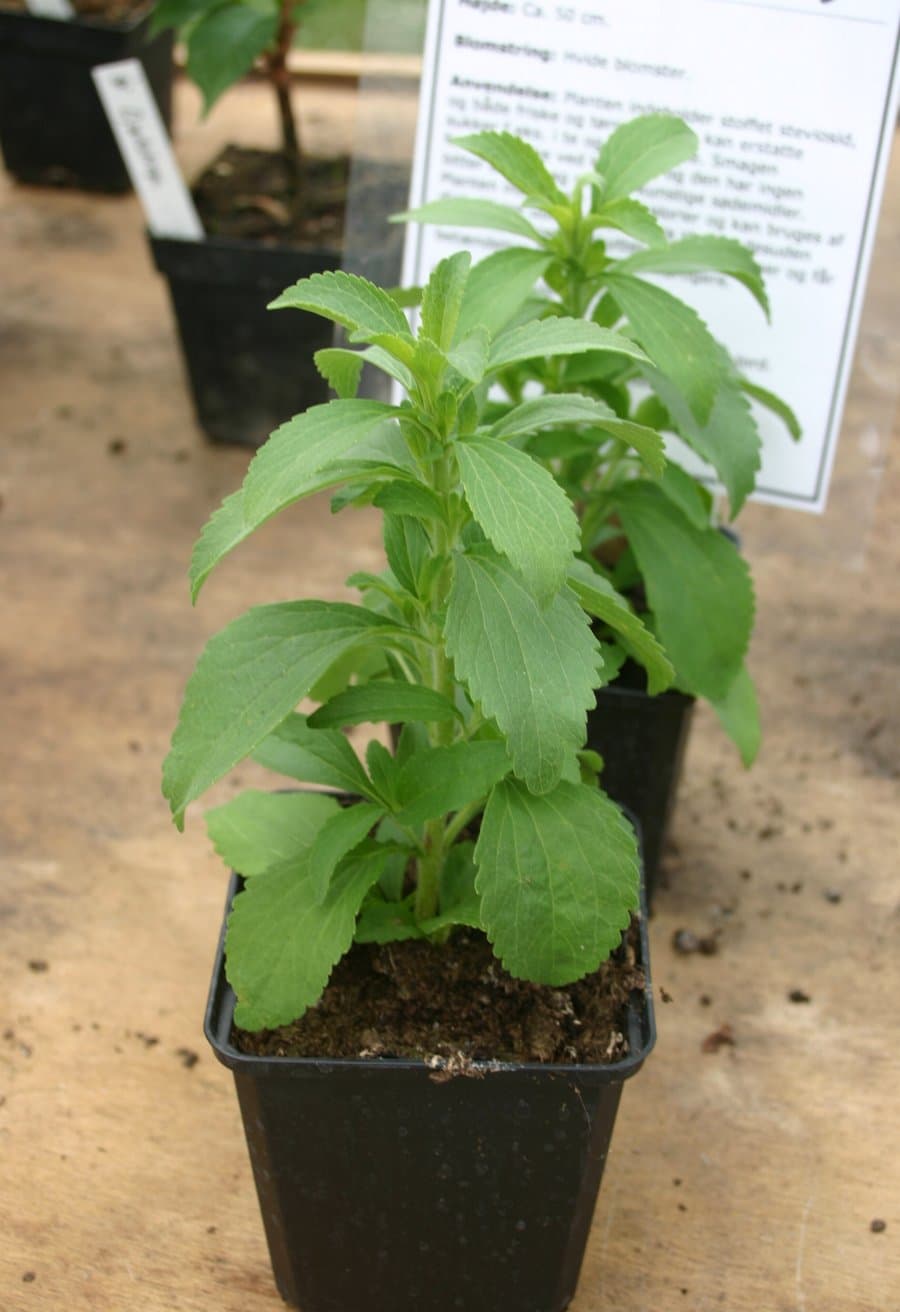
Image: Sten Porse (CC BY-SA 3.0)
NameStevia
Scientific NameStevia rebaudiana
Common NamesStevia, Sweetleaf, Sugarleaf, Candyleaf, Honey leaf
Plant FamilyAsteraceae
Natural HabitatNative to subtropical and tropical regions of South America, particularly Paraguay and Brazil, where it naturally grows in semi-arid mountainous terrain.
Parts Usedleaf
Medicinal Actionsantioxidant, anti-inflammatory
Traditional UsesTraditionally used by indigenous peoples of Paraguay and Brazil as a natural sweetener for teas and medicines, and also for treating heartburn, diabetes, and high blood pressure. Today, it is widely recognized and used globally as a calorie-free sugar substitute.
Active ConstituentsSteviol glycosides, Stevioside, Rebaudioside A
Preparation Methodsinfusion, powder
Contraindications & WarningsGenerally recognized as safe (GRAS) by regulatory bodies. However, individuals with allergies to plants in the Asteraceae family (e.g., ragweed, chrysanthemums) may experience allergic reactions. It may also interact with medications for diabetes or high blood pressure, so consultation with a healthcare provider is advised for those conditions.
Cultivation NotesPrefers warm, humid climates and well-drained, fertile soil. It can be grown from seed or cuttings and requires full sun to partial shade. In cooler climates, it is often cultivated as an annual, overwintered indoors, or grown in greenhouses.
Raritycommon
Description
Stevia rebaudiana is a herbaceous perennial shrub, typically growing up to 1 meter tall, with slender, branched stems and oppositely arranged, lanceolate to obovate leaves that are serrated along the margins. It produces small white flowers and is primarily known for its intensely sweet leaves.