Yucatan Cestrum
Image: Conveyor Belt (cc0)
NameYucatan Cestrum
Scientific NameCestrum yucatanense
Common NamesYucatan Cestrum, Night Jessamine
Plant FamilySolanaceae
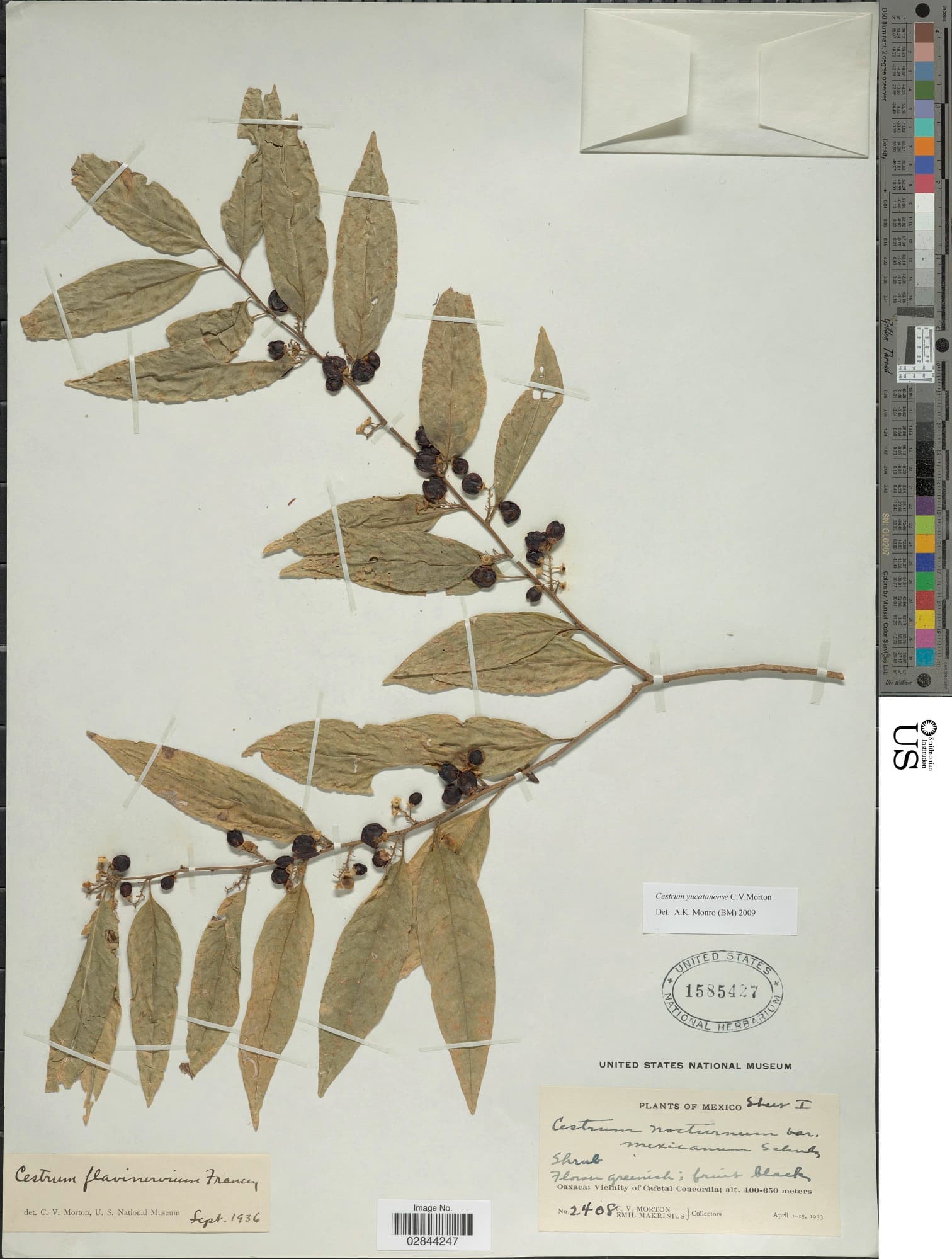
Natural HabitatNative to tropical and subtropical regions of Mexico and Central America, often found in mid-elevation areas like the vicinity of Cafetal Concordia in Oaxaca, Mexico, at altitudes of 400-650 meters.
Parts Usedleaf,bark
Medicinal Actionsanalgesic, anti-inflammatory, antimicrobial
Traditional UsesWhile specific traditional uses for Cestrum yucatanense are not widely documented, other Cestrum species have been traditionally used externally in poultices for skin conditions, swellings, and internally (with extreme caution due to toxicity) for fever and pain relief. The fruits are generally considered toxic.
Active Constituentssteroidal saponins, alkaloids, flavonoids
Preparation Methodspoultice
Contraindications & WarningsAll parts of Cestrum species, especially the fruits, are considered toxic and can cause gastrointestinal upset, neurological symptoms, and even death if ingested in sufficient quantities. Not for internal use without strict medical supervision. Avoid during pregnancy, lactation, and in children.
Cultivation NotesPrefers warm, tropical to subtropical climates. Thrives in well-drained soil and can tolerate full sun to partial shade. Often grown as an ornamental shrub.
Rarityuncommon
Description
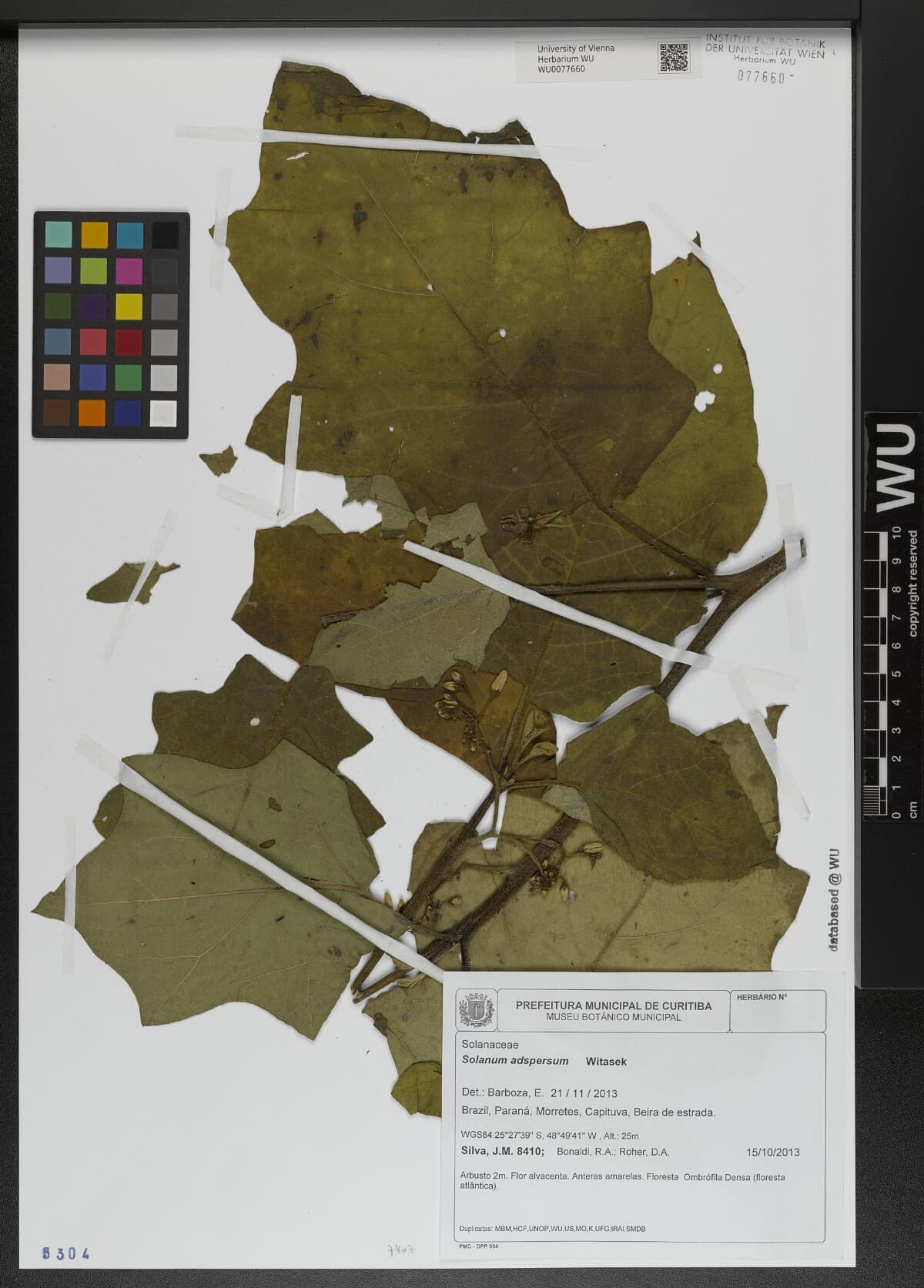
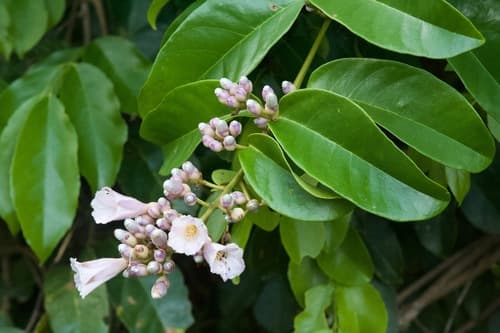
A shrub characterized by simple, alternate leaves and clusters of small, dark, berry-like fruits. The specimen shows dried leaves that are ovate to lanceolate with entire margins, typical of the genus Cestrum.