Wright's fendlerbush
NameWright's fendlerbush
Scientific NameFendlera wrightii
Common NamesWright's fendlerbush, Fendlerbush
Plant FamilyHydrangeaceae
Natural HabitatThis hardy shrub thrives in arid and semi-arid environments, commonly found on rocky slopes, canyons, and open woodlands. It prefers well-drained soils and full sun, typically growing at elevations between 4,000 and 8,000 feet.
Parts Usedwhole_plant
Medicinal Actionsantioxidant
Traditional UsesWhile primarily valued as an ornamental and browse plant for wildlife, specific traditional medicinal uses for Wright's fendlerbush are not widely documented in ethnobotanical literature. Some indigenous groups may have utilized parts of the plant for non-medicinal purposes such as basketry or as a general resource, but detailed medicinal applications are scarce.
Contraindications & WarningsNo specific contraindications or significant drug interactions are widely documented for Wright's fendlerbush due to its limited traditional medicinal use. As with any plant, potential for individual allergic reactions exists.
Cultivation NotesWright's fendlerbush is a drought-tolerant and low-maintenance shrub ideal for xeriscaping. It prefers full sun exposure and well-drained, rocky or sandy soils. Once established, it requires minimal supplemental water and is hardy in USDA zones 5-9.
Raritycommon
Description
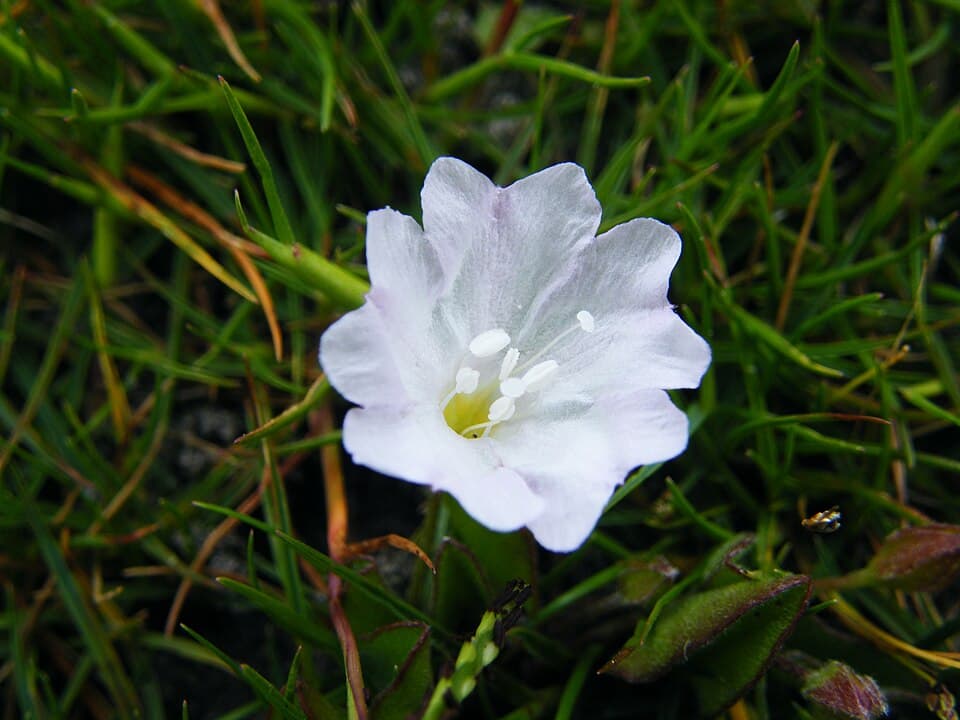
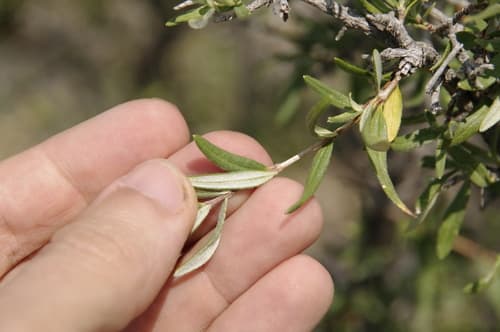
Wright's fendlerbush is a deciduous shrub native to the southwestern United States and northern Mexico, typically growing 3-10 feet tall. It features slender branches, small opposite leaves that are narrowly elliptic to lanceolate, and showy white to pinkish flowers in spring. The leaves often have a lighter, sometimes hairy, underside.