Woodland Tobacco
NameWoodland Tobacco
Scientific NameNicotiana sylvestris
Common NamesWoodland Tobacco, Flowering Tobacco, Forest Tobacco, South American Tobacco
Plant FamilySolanaceae
Natural HabitatNative to the Andes mountains of South America, it thrives in woodland edges, clearings, and disturbed areas. It prefers rich, moist, well-drained soil and can be found in subtropical to temperate regions.
Parts Usedleaf
Medicinal Actionsanalgesic, anti-inflammatory, antimicrobial
Traditional UsesHistorically, various Nicotiana species, including those related to Woodland Tobacco, have been used by indigenous cultures for ceremonial purposes, as a stimulant, and topically for pain relief, inflammation, and insect bites. Due to its high toxicity and addictive properties, internal use is generally avoided in modern herbalism, with traditional internal applications being highly ritualistic and controlled.
Active ConstituentsNicotine, Anabasine, Nornicotine
Preparation Methodspoultice, powder
Contraindications & WarningsHighly toxic if ingested; not recommended for internal use due to its potent nicotine content and addictive nature. Avoid during pregnancy, lactation, and in individuals with heart conditions, high blood pressure, or other serious health issues. Can interact with numerous medications.
Cultivation NotesWoodland Tobacco is typically grown as an ornamental annual in temperate climates. It prefers full sun to partial shade and rich, consistently moist, well-drained soil. It can reach heights of 3-5 feet and readily self-seeds.
Raritycommon
Description
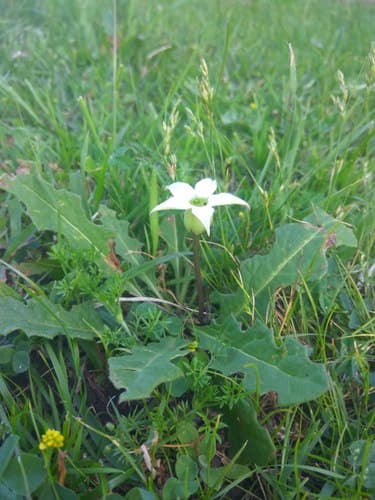
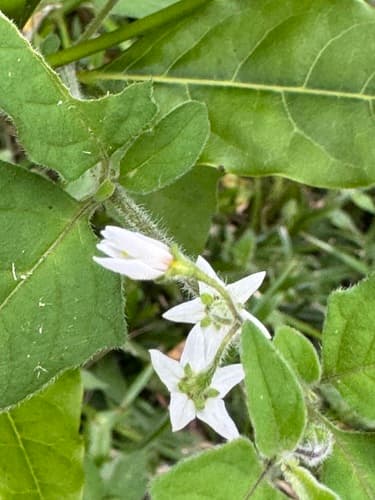
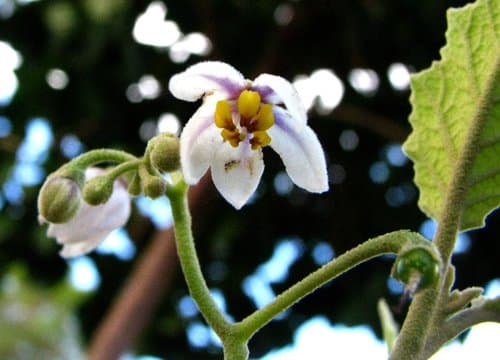
A tall, ornamental annual or short-lived perennial, Woodland Tobacco features large, sticky, ovate leaves and produces clusters of highly fragrant, pendulous white trumpet-shaped flowers. These elegant blooms typically open in the evening, releasing a sweet scent.