Withania heterophylla
NameWithania heterophylla
Scientific NameWithania heterophylla
Common NamesHeterophyllous Withania
Plant FamilySolanaceae
Natural HabitatNative to the Himalayan region, this plant thrives in rocky slopes, open forests, and disturbed areas at moderate altitudes. It prefers well-drained soils and can tolerate a range of light conditions.
Parts Usedroot,leaf,fruit
Medicinal Actionsadaptogen, anti-inflammatory, antioxidant, nervine
Traditional UsesWhile less extensively studied than its close relative Ashwagandha, Withania heterophylla is traditionally used in local systems of medicine in its native range. It is employed for purposes such as enhancing general vitality, reducing stress, and alleviating inflammatory conditions.
Active ConstituentsWithanolides, Alkaloids, Flavonoids
Preparation Methodsdecoction, powder, infusion, poultice
Contraindications & WarningsPregnant or breastfeeding women should avoid use. Individuals with autoimmune diseases, thyroid disorders, or those taking immunosuppressants, sedatives, or thyroid hormones should consult a healthcare professional due to potential interactions.
Cultivation NotesThis plant prefers well-drained soil and can grow in full sun to partial shade. It is relatively drought-tolerant once established and can be propagated from seeds or cuttings.
Rarityuncommon
Description
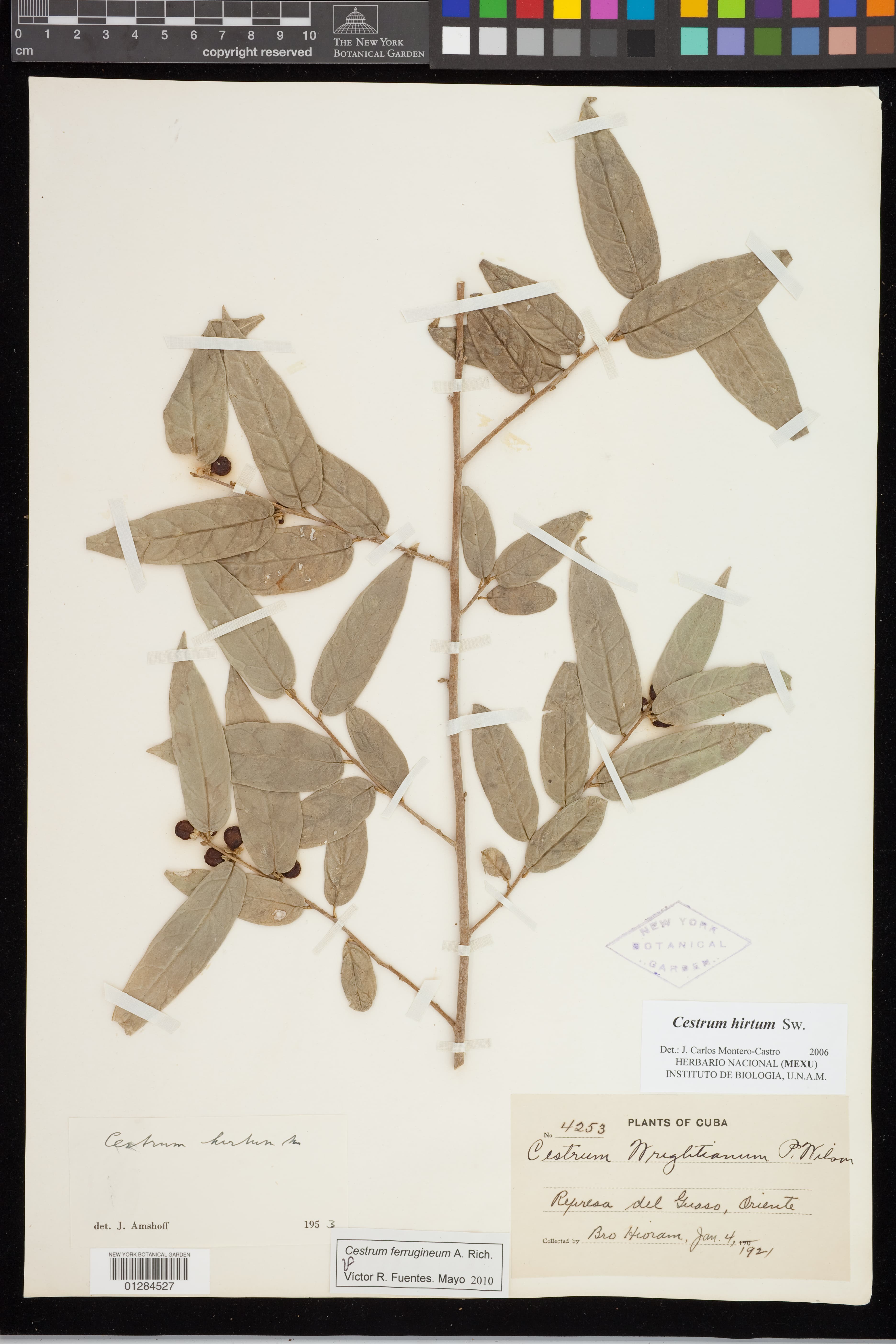
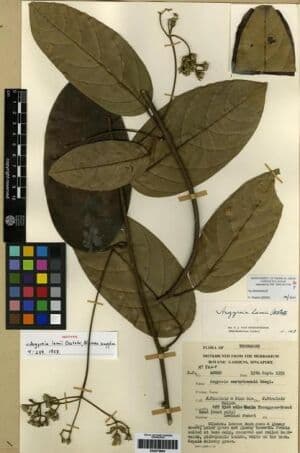
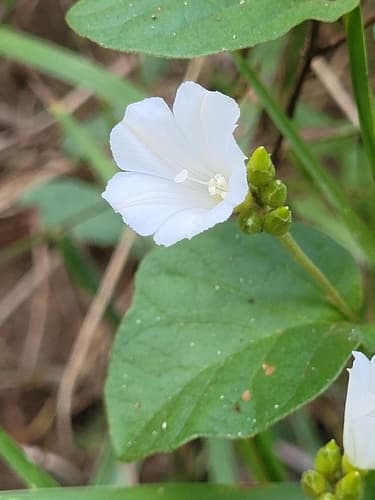
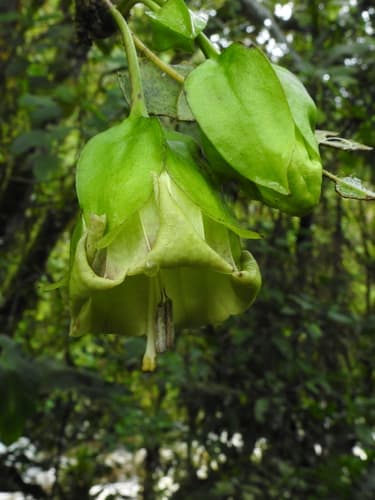
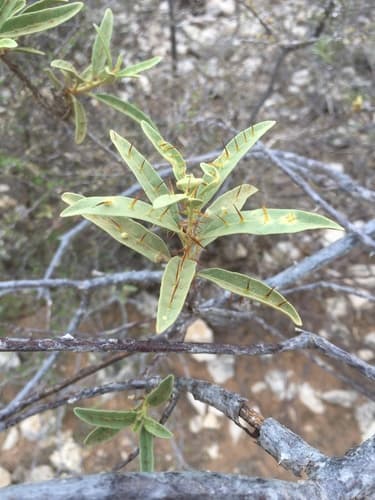
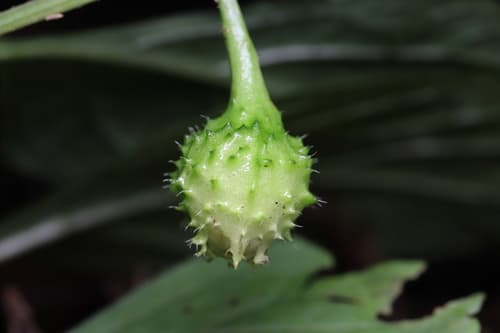
Withania heterophylla is a perennial shrub known for its heterophyllous nature, displaying different leaf shapes on the same plant. Its small flowers mature into berries encased within an accrescent, often spiny or ribbed, calyx, as seen in the image.