Alangium longiflorum
NameAlangium longiflorum
Scientific NameAlangium longiflorum
Common NamesLong-flowered Alangium, Alangium longiflorum
Plant FamilyCornaceae
Natural HabitatNative to lowland and montane primary and secondary forests in Southeast Asia, particularly the Philippines, Malaysia, and Indonesia, thriving in tropical and subtropical climates.
Parts Usedroot,bark,leaf
Medicinal Actionsanti-inflammatory, antimicrobial, antioxidant, analgesic
Traditional UsesTraditionally, the bark and roots of Alangium longiflorum are used in Southeast Asian folk medicine to treat conditions such as rheumatism, fevers, and various skin ailments. It is also employed as an antidote for snake bites in some indigenous practices.
Active Constituentsisoquinoline alkaloids, emetine, cephaeline, triterpenoids, flavonoids
Preparation Methodsdecoction, infusion, powder
Contraindications & WarningsDue to the presence of potent alkaloids, high doses can be toxic. Pregnant or nursing women and individuals with pre-existing medical conditions should avoid use without professional medical advice. Potential for interactions with CNS depressants or other medications.
Cultivation NotesThrives in tropical to subtropical environments with well-drained soil and consistent moisture. Prefers partial shade to full sun. Propagation is typically achieved through seeds or stem cuttings.
Rarityuncommon
Description
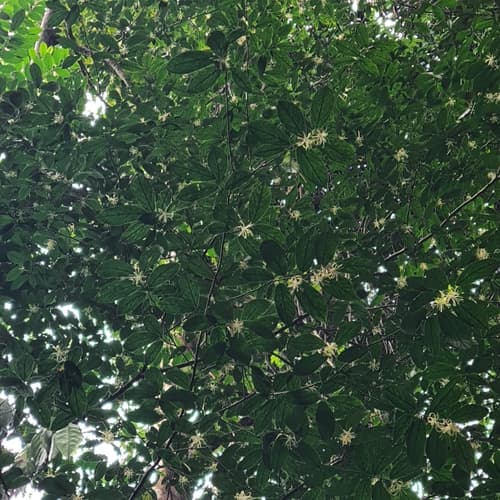
Alangium longiflorum is a medium-sized tree native to Southeast Asian tropical forests. It is characterized by its dense canopy of dark green, ovate leaves and distinctive small, star-shaped flowers with long, slender, pale yellow to creamy white petals.