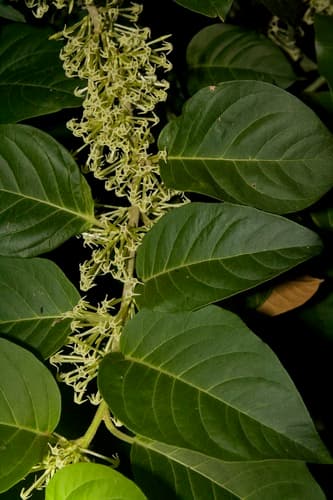
wildjasmine cestrum
Namewildjasmine cestrum
Scientific NameCestrum nocturnum
Common NamesNight-blooming Jasmine, Lady of the Night, Queen of the Night, Wild Jasmine Cestrum
Plant FamilySolanaceae
Natural HabitatNative to tropical and subtropical regions of the Americas, including the West Indies and Central America. It thrives in warm, humid climates, often found in disturbed areas, forest edges, and cultivated gardens.
Parts Usedleaf,flower
Medicinal Actionsanalgesic, antimicrobial
Traditional UsesTraditionally, *Cestrum nocturnum* has been used with extreme caution in some folk medicine systems, primarily for external applications. In some regions, leaves are applied as a poultice for skin conditions, swellings, or localized pain relief. Internal use is highly dangerous and not recommended due to severe toxicity.
Active ConstituentsSolasodine, Solasonine, Solamargine, Atropine-like compounds, Nicotine-like compounds
Preparation Methodspoultice, infusion
Contraindications & WarningsALL parts of *Cestrum nocturnum* are highly toxic, especially the berries, but also leaves and flowers. Ingestion can cause severe gastrointestinal upset, nausea, vomiting, diarrhea, fever, increased heart rate, respiratory depression, convulsions, and can be fatal. Skin contact with sap can cause irritation. It should NEVER be used internally. Avoid use by pregnant or nursing women, children, and individuals with heart conditions or neurological disorders.
Cultivation NotesCommonly cultivated as an ornamental shrub for its fragrant night-blooming flowers. It prefers full sun to partial shade, well-drained soil, and warm, humid conditions. It is frost-sensitive and can become invasive in suitable climates. Regular pruning helps maintain shape and promote flowering.
Raritycommon
Description
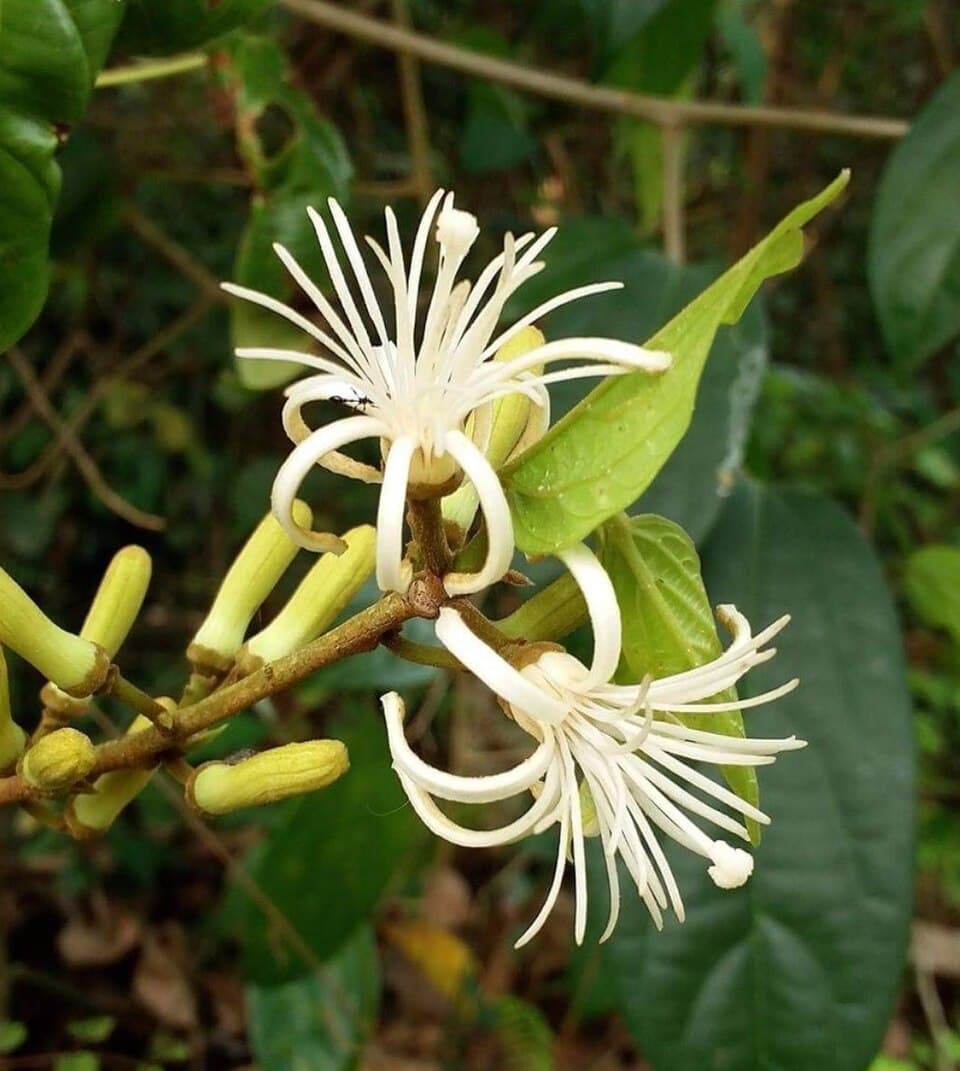
Cestrum nocturnum is an evergreen woody shrub or small tree, reaching up to 4 meters tall, known for its intensely fragrant flowers that open at night. It features simple, alternate, ovate-lanceolate leaves and clusters of slender, tubular, greenish-white to yellowish-green flowers.