White Morning-glory
NameWhite Morning-glory
Scientific NameIpomoea lacunosa
Common NamesWhite Morning-glory, Small-flowered Morning Glory, Pitted Morning Glory
Plant FamilyConvolvulaceae
Natural HabitatNative to North America, often found in disturbed areas, fields, roadsides, and cultivated land. It thrives in moist, well-drained soils and full sun.
Parts Usedroot,leaf,seed
Medicinal Actionsdiuretic
Traditional UsesTraditionally, some Ipomoea species have been used as strong purgatives to cleanse the bowels, though this specific action is not in the allowed list. Certain species' roots or leaves were employed as diuretics or for treating skin conditions. The seeds of some specific morning glories are known for their entheogenic properties in ritualistic contexts.
Active ConstituentsResins (e.g., convolvulin), Glycosides, Alkaloids (e.g., ergoline alkaloids in seeds of some species)
Preparation Methodsinfusion, decoction, powder
Contraindications & WarningsDue to strong purgative effects in many Ipomoea species, caution is advised. Not recommended for pregnant or nursing women, or individuals with gastrointestinal issues. Seeds of some species are psychoactive and toxic in high doses.
Cultivation NotesWhite Morning-glory is generally easy to grow from seed, preferring full sun and well-drained soil. It can be invasive and self-seeds readily, often considered a weed in agricultural settings.
Raritycommon
Description
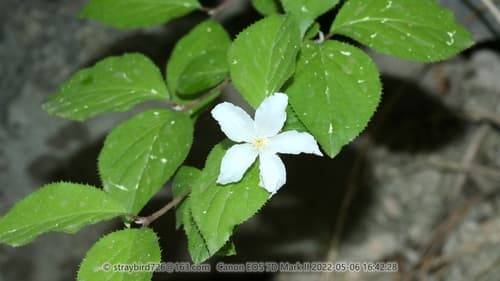
A climbing annual vine producing trumpet-shaped white flowers, typically with a purplish throat. Its leaves are generally heart-shaped or ovate, and it can grow quite vigorously, often considered a weed.