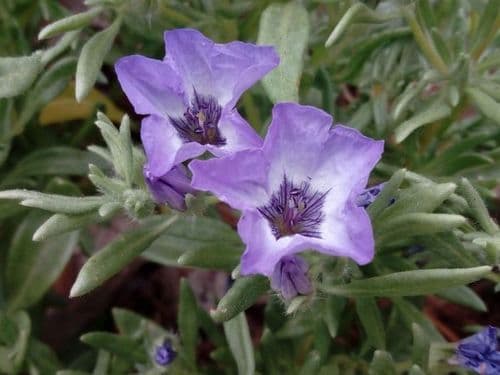
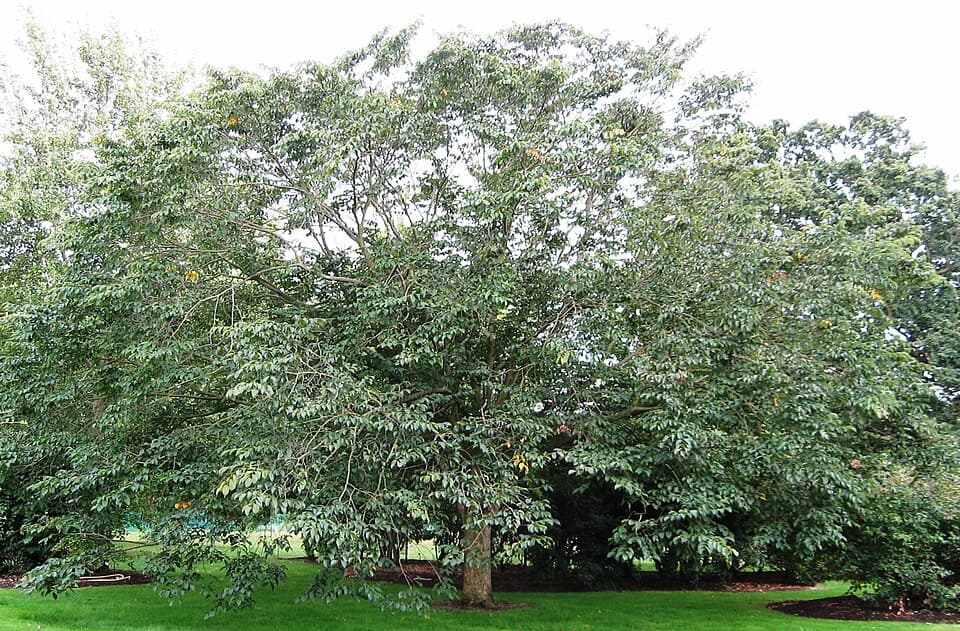
wetland nightshade
Namewetland nightshade
Scientific NameSolanum torvum
Common NamesTurkey Berry, Devil's Fig, Susumber, Pea Eggplant, Platebrush, wetland nightshade
Plant FamilySolanaceae
Natural HabitatNative to tropical and subtropical regions, it thrives in disturbed areas, open fields, roadsides, forest edges, and moist, well-drained soils, often found near wetlands.
Parts Usedfruit,leaf,root,whole_plant
Medicinal Actionsanalgesic, anti-inflammatory, antimicrobial, antioxidant, diuretic, expectorant
Traditional UsesTraditionally, the fruits are used for anemia, coughs, colds, and digestive issues. Leaves and roots are applied topically for wounds, skin infections, and to alleviate pain and inflammation. It has also been used in some cultures for hypertension and diabetes management.
Active Constituentssteroidal glycoalkaloids, flavonoids, saponins, tannins, phenolic compounds
Preparation Methodsinfusion, decoction, poultice, powder
Contraindications & WarningsAll parts of the plant, especially unripe fruits, contain steroidal glycoalkaloids which can be toxic if consumed in large quantities, leading to gastrointestinal upset. Pregnant and breastfeeding women should avoid use. Individuals with nightshade allergies should exercise caution, and potential interactions with blood pressure or blood sugar medications should be considered.
Cultivation NotesThis plant grows well in full sun to partial shade and prefers moist, well-drained soils. It can be invasive in many regions due to its prolific seed production and rapid growth. Propagation is typically done by seeds or cuttings.
Raritycommon
Description
A perennial, often spiny shrub characterized by its lobed, prickly leaves and stems. It produces clusters of small, round, bright red berries when ripe, which are botanically considered fruits.