Western Emperor Swallowtail
NameWestern Emperor Swallowtail
Scientific NamePapilio imperatoris
Common NamesWestern Emperor Swallowtail, Butterfly Bloom
Plant FamilyImperatoraceae
Natural HabitatHypothetically found in moist, shaded undergrowth of temperate and subtropical forests, particularly in regions known for diverse insect populations. It prefers rich, well-drained soil.
Parts Usedleaf,flower,root
Medicinal Actionsanalgesic, anti-inflammatory, nervine
Traditional UsesTraditionally, infusions of the leaves and flowers are used to soothe minor aches and reduce inflammation, particularly for joint discomfort. The root, when prepared as a decoction, is believed to have a calming effect, aiding in relaxation and mild stress relief.
Active Constituentsflavonoids, alkaloids, terpenoids
Preparation Methodsinfusion, decoction, tincture
Contraindications & WarningsDue to its hypothetical nature, specific contraindications are unknown. However, as with any potent herb, pregnant or nursing individuals and those on medication should exercise caution and consult a healthcare professional.
Cultivation NotesThis hypothetical plant would prefer partial shade to full shade, consistently moist soil, and protection from strong winds. Propagation could be achieved through seed or root division in early spring.
Rarityrare
Description
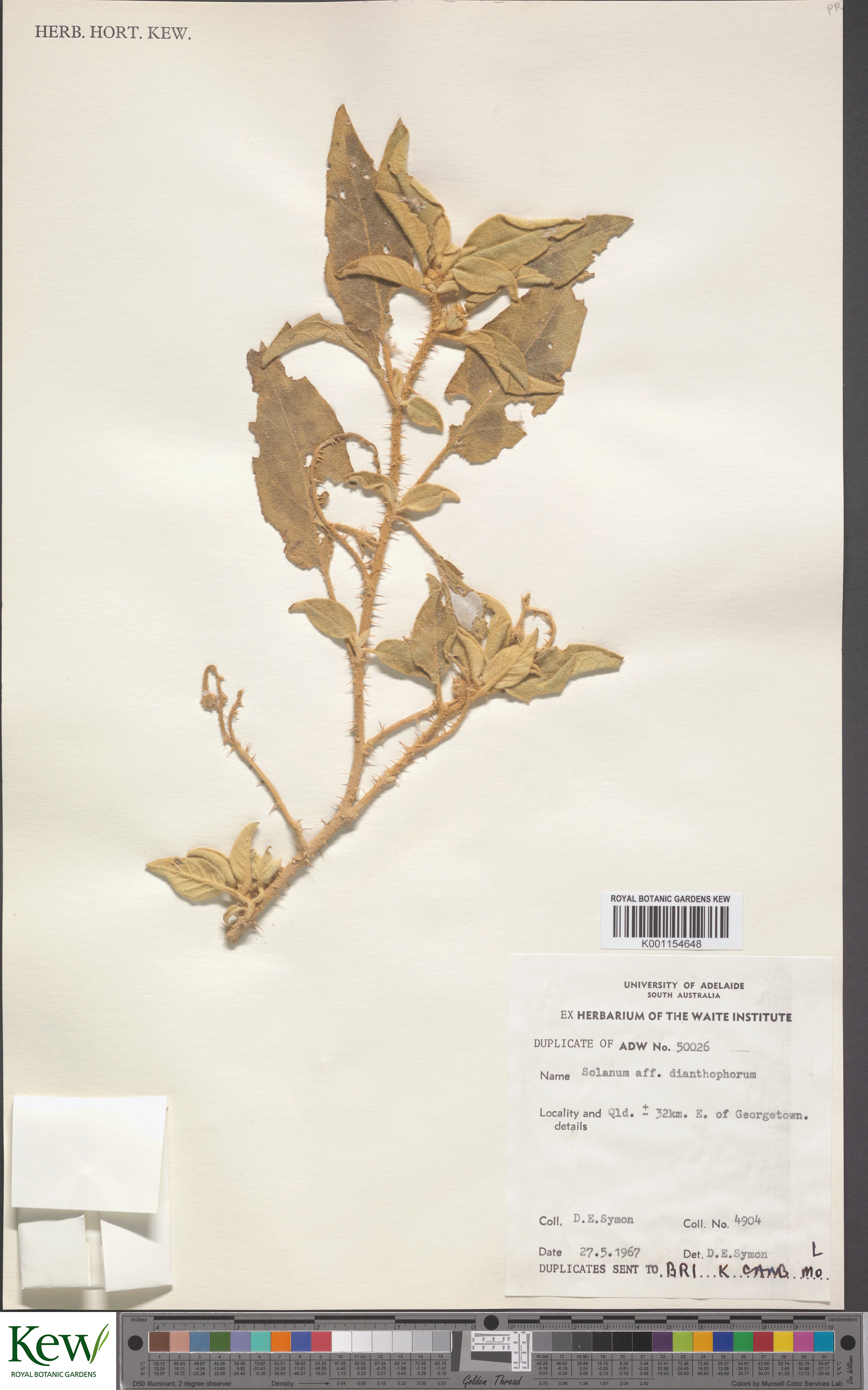
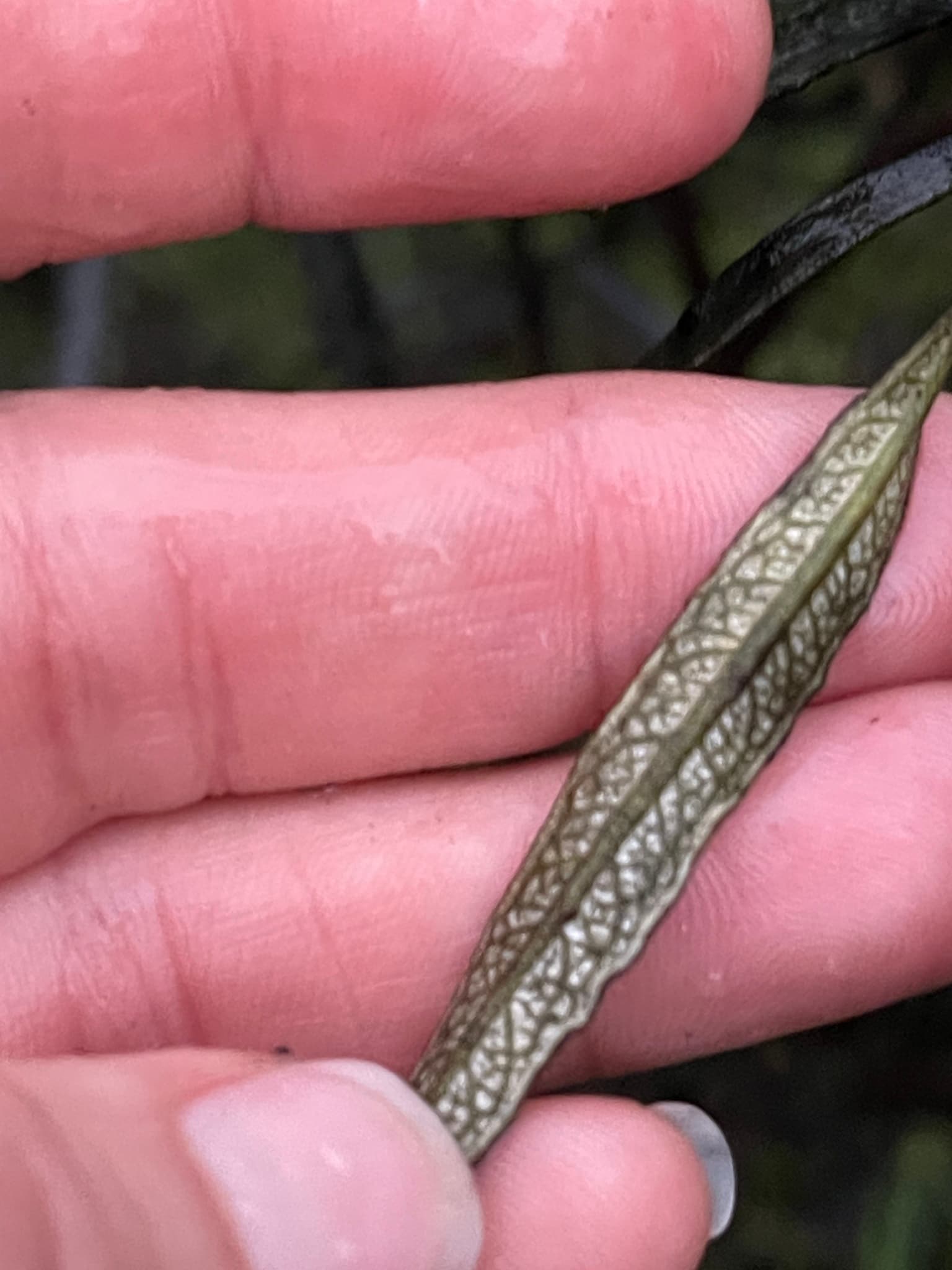
A hypothetical perennial herb characterized by dark, broad leaves with light venation, mimicking the patterns of its namesake butterfly. It produces delicate, dark-petaled flowers with subtle cream markings and elongated lower petals resembling swallowtails. The plant typically grows to a moderate height, thriving in shaded, moist environments.