Weld
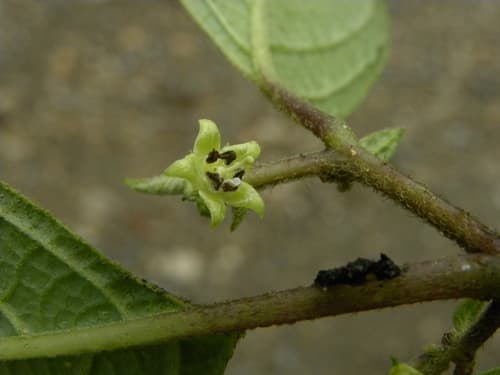
Image: Tom Hunt (cc-by-nc)
NameWeld
Scientific NameReseda luteola
Common NamesWeld, Dyer's Rocket, Dyer's Mignonette, Yellow Weed
Plant FamilyResedaceae
Natural HabitatNative to Europe, North Africa, and West Asia, Weld typically grows in disturbed ground, roadsides, waste places, dry grasslands, and rocky areas, preferring calcareous soils.
Parts Usedwhole_plant,leaf,flower
Medicinal Actionsdiuretic, antioxidant
Traditional UsesTraditionally, Weld was primarily cultivated for its potent yellow dye. Medicinally, it has been used as a diuretic and diaphoretic, and for conditions such as jaundice, liver and spleen disorders, and as a mild laxative. It was also sometimes applied externally for bruises.
Active ConstituentsLuteolin, Apigenin
Preparation Methodsinfusion, decoction, poultice
Contraindications & WarningsGenerally considered safe in traditional use, but specific contraindications for internal medicinal use are not widely documented due to its primary historical role as a dye plant. Consult a healthcare professional before use.
Cultivation NotesWeld is easy to grow from seed, preferring full sun and well-drained, often calcareous soil. It tolerates poor soil conditions and flowers in its second year as a biennial.
Raritycommon
Description
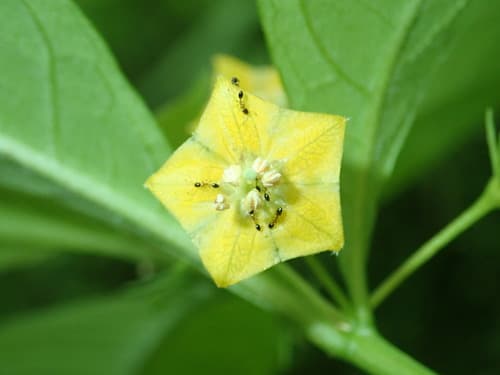
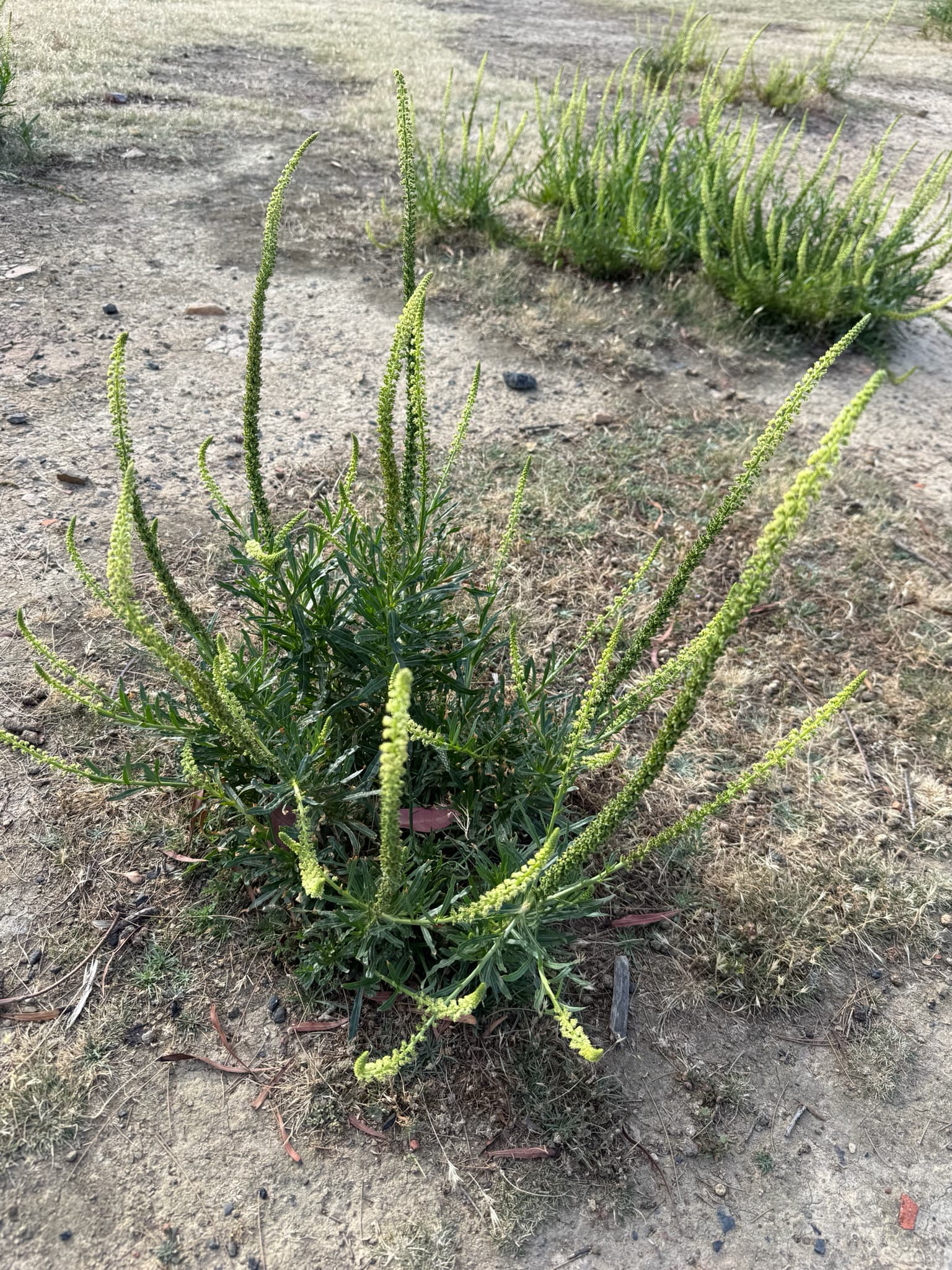
Reseda luteola is a herbaceous biennial or short-lived perennial, forming a basal rosette of lanceolate leaves in its first year. In its second year, it produces tall, erect stems topped with long, slender spikes of numerous small, yellowish-green flowers. The plant is primarily known for its historical use as a source of yellow dye.