Solanum eburneum
NameSolanum eburneum
Scientific NameSolanum eburneum
Common NamesDesert Nightshade, Bush Tomato
Plant FamilySolanaceae
Natural HabitatNative to arid and semi-arid regions of Australia, it thrives in sandy or stony soils, often found in open woodlands, shrublands, and grasslands.
Parts Usedfruit,leaf
Medicinal Actionsanalgesic, anti-inflammatory, antimicrobial
Traditional UsesIndigenous Australians have traditionally used various Solanum species, including those similar to S. eburneum. Fruits, often after specific processing to reduce toxicity, were consumed as 'bush tomatoes'. Leaves or crushed fruits were applied externally as a poultice to treat skin ailments, sores, boils, and to relieve localized pain and inflammation.
Active Constituentssteroidal glycoalkaloids, solasodine, solamargine
Preparation Methodspoultice, powder
Contraindications & WarningsAll parts of Solanum eburneum are generally considered toxic if ingested raw due to the presence of steroidal glycoalkaloids. Internal use is not recommended without expert guidance and detoxification. Symptoms of poisoning can include gastrointestinal upset and neurological effects. Pregnant and breastfeeding women should avoid use. Skin irritation may occur with external application.
Cultivation NotesThis drought-tolerant plant prefers full sun and well-drained, sandy or stony soils. It is well-suited for arid and semi-arid garden environments and can be propagated from seed.
Raritycommon
Description
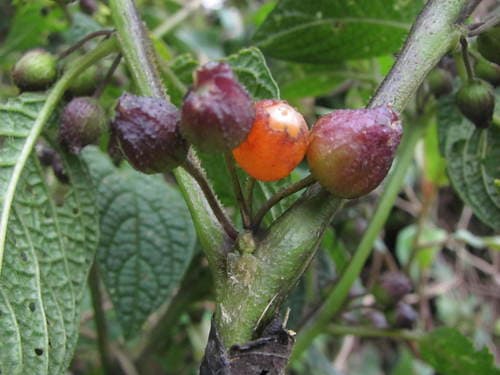
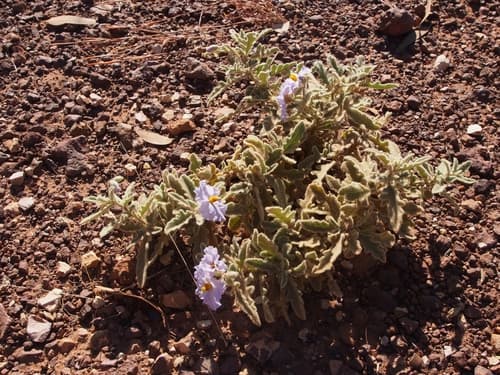
Solanum eburneum is a low-growing, perennial shrub, typically covered in dense, stellate hairs, giving it a greyish-green, velvety appearance. It produces pale purple to white, star-shaped flowers with prominent yellow anthers, followed by globose, hairy berries.