Turmeric
NameTurmeric
Scientific NameCurcuma longa
Common NamesTurmeric, Indian Saffron, Haldi, Curcuma
Plant FamilyZingiberaceae
Natural HabitatNative to tropical South Asia, Turmeric thrives in warm, humid climates with well-drained soil, often found in forest clearings or cultivated fields.
Parts Usedroot
Medicinal Actionsanti-inflammatory, antioxidant, antimicrobial, analgesic, adaptogen
Traditional UsesTraditionally used in Ayurvedic and Chinese medicine for its anti-inflammatory properties, digestive support, and as a remedy for skin conditions, wounds, and liver ailments. It is also widely used as a culinary spice and natural dye.
Active ConstituentsCurcuminoids, Volatile oils
Preparation Methodspowder, infusion, decoction, tincture, salve
Contraindications & WarningsMay interact with blood-thinning medications, gallstones, and certain diabetes medications. High doses can cause stomach upset. Pregnant and breastfeeding women should consult a healthcare professional before use.
Cultivation NotesPrefers full sun to partial shade, rich, well-drained soil, and consistent moisture. It is a tropical plant requiring warm temperatures and high humidity, typically grown from rhizome cuttings.
Raritycommon
Description
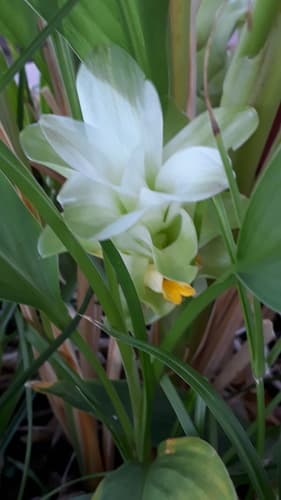
Turmeric is a perennial herbaceous plant characterized by its vibrant yellow-orange rhizomes. It produces tall, leafy stems with broad leaves and striking inflorescences, often featuring pale green to white bracts with small yellow true flowers, as seen in the image.