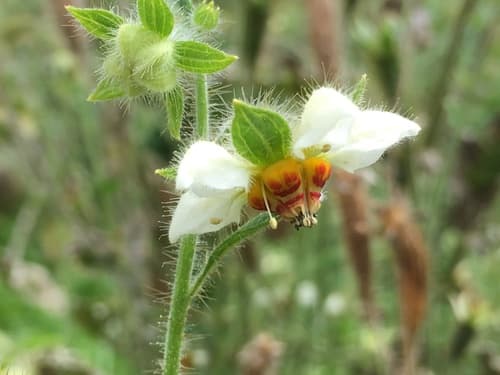
Tropical Speedwell
NameTropical Speedwell
Scientific NameVeronica undulata
Common NamesTropical Speedwell, Wavy Speedwell
Plant FamilyPlantaginaceae
Natural HabitatNative to tropical and subtropical regions of Australia and Asia, this plant thrives in damp, disturbed areas, grasslands, open forests, and along watercourses. It prefers moist, well-drained soils and can often be found in cultivated areas as a weed.
Parts Usedwhole_plant,leaf,flower
Medicinal Actionsdiuretic, expectorant, astringent, anti-inflammatory, antioxidant
Traditional UsesTraditionally, various speedwell species, including those found in tropical regions, have been used for respiratory ailments such as coughs and bronchitis due to their expectorant properties. They are also employed as diuretics for kidney and bladder issues, and externally as astringents for skin irritations, wounds, and ulcers. Some traditional systems utilize them for general detoxification.
Active ConstituentsIridoid glycosides, Flavonoids, Phenolic acids, Tannins, Saponins
Preparation Methodsinfusion, decoction, tincture, poultice, powder
Contraindications & WarningsGenerally considered safe, but large doses may cause mild gastrointestinal upset. Pregnant and breastfeeding women should consult a healthcare professional before use. Caution is advised when combining with other diuretics or blood-thinning medications due to potential additive effects.
Cultivation NotesThis plant prefers moist, well-drained soil and can tolerate a range of light conditions from full sun to partial shade. It can be propagated from seeds or cuttings and often self-seeds readily, making it easy to establish in suitable environments. It thrives in fertile conditions.
Raritycommon
Description
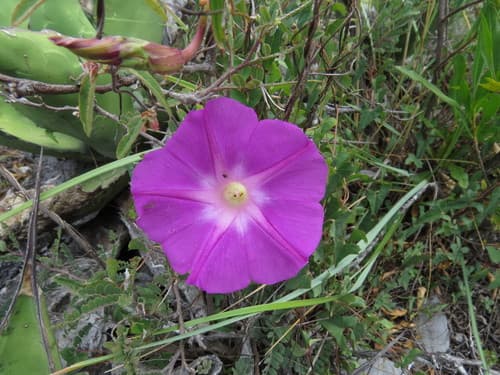
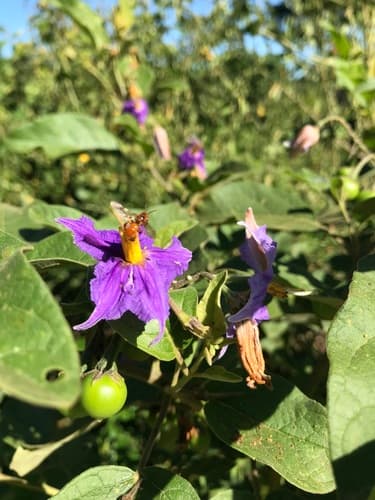
Tropical Speedwell is a low-growing herbaceous perennial characterized by its small, vibrant blue-purple flowers with a distinct white center. Its leaves are typically ovate to lanceolate with wavy or toothed margins, forming a spreading mat close to the ground.