Ipomoea ignava
NameIpomoea ignava
Scientific NameIpomoea ignava
Common NamesMorning Glory
Plant FamilyConvolvulaceae
Natural HabitatNative to Mexico and Central America, this plant typically thrives in disturbed areas, roadsides, open woodlands, and scrublands, often climbing over other vegetation.
Parts Usedroot,whole_plant
Medicinal Actionsantioxidant, anti-inflammatory
Traditional UsesWhile specific traditional uses for Ipomoea ignava are not widely documented, many species within the Ipomoea genus are traditionally used as strong purgatives or laxatives due to their resin glycoside content. Some related species have also been used for their anti-inflammatory properties or as general tonics.
Active Constituentsresin glycosides
Preparation Methodsdecoction, powder
Contraindications & WarningsDue to the potential for strong purgative effects common in the Ipomoea genus, this plant should be used with extreme caution. It is generally contraindicated in pregnancy, breastfeeding, intestinal obstruction, and inflammatory bowel conditions. High doses can cause severe gastrointestinal distress.
Cultivation NotesIpomoea ignava, like many morning glories, prefers full sun to partial shade and well-drained soil. It is a vigorous climber and can be grown from seed, often requiring support for its twining stems.
Raritycommon
Description
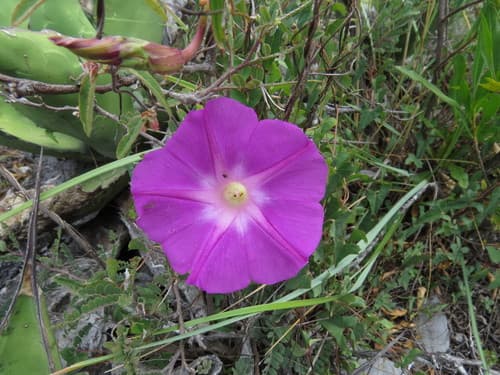
Ipomoea ignava is a perennial vine characterized by its vibrant magenta-purple, funnel-shaped flowers with a lighter throat, typical of the morning glory genus. It produces heart-shaped or lobed leaves and twining stems.